 {|get_lang_name}
 {|get_lang_name}

Product Consultation
Your email address will not be published. Required fields are marked *


Content
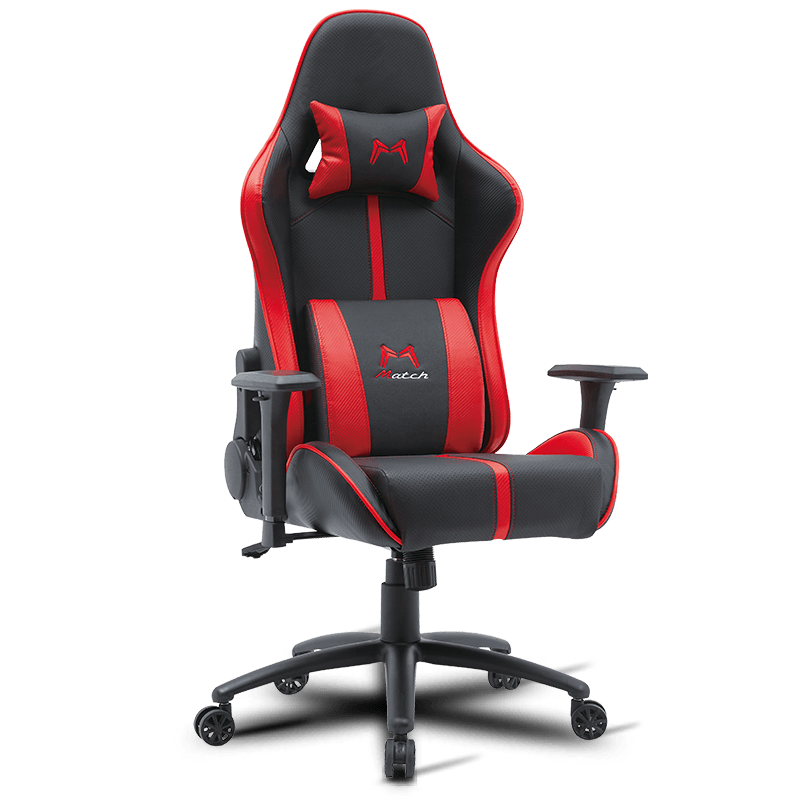
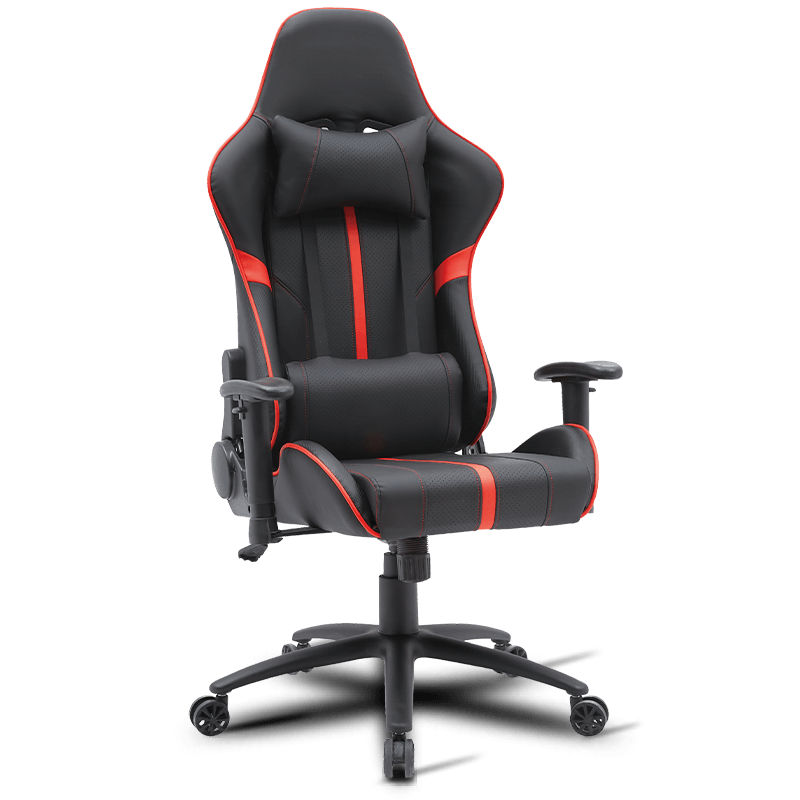
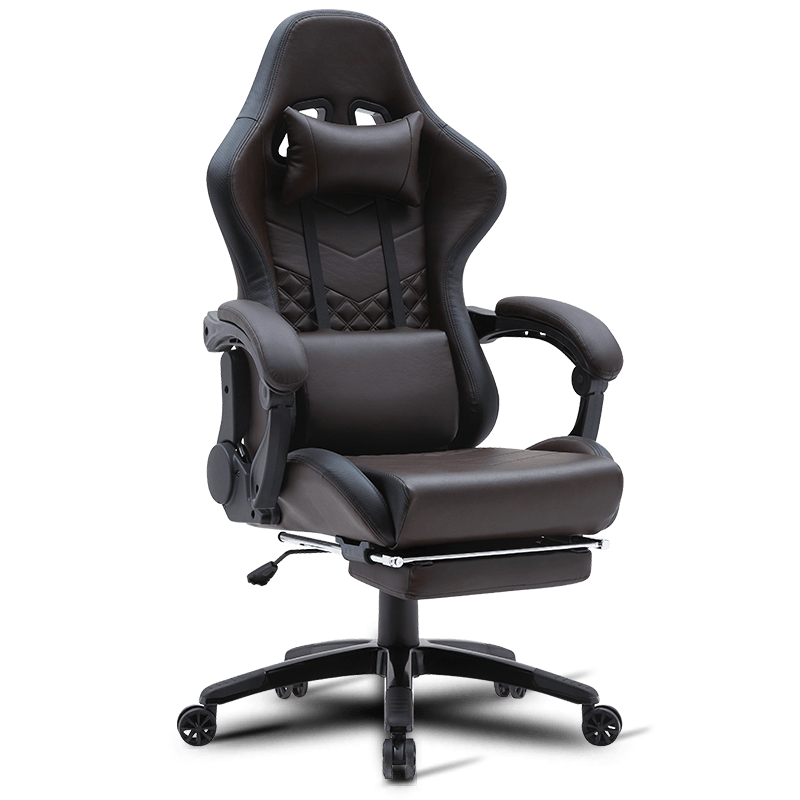
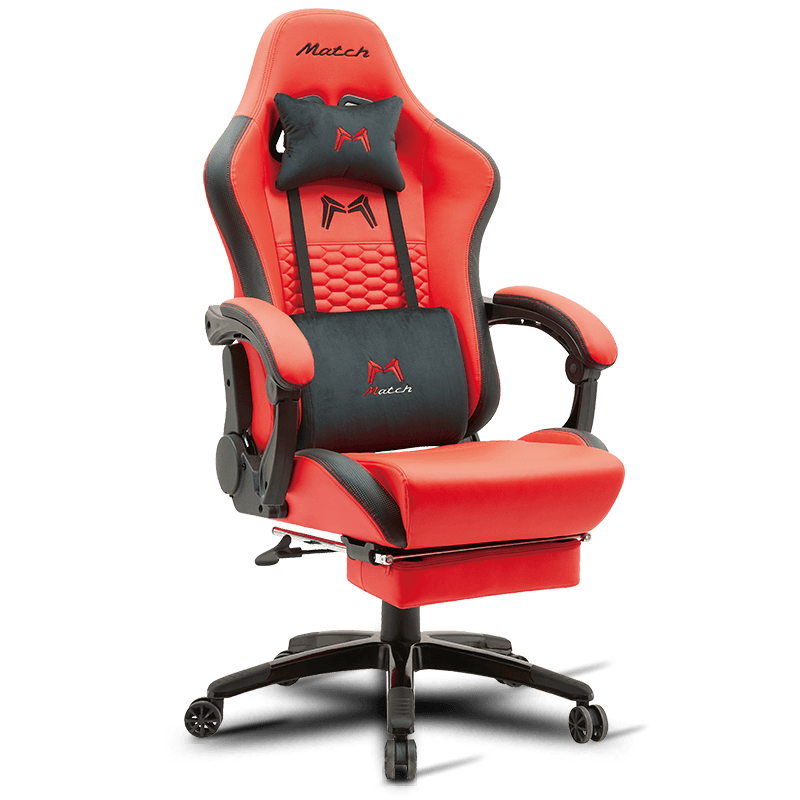
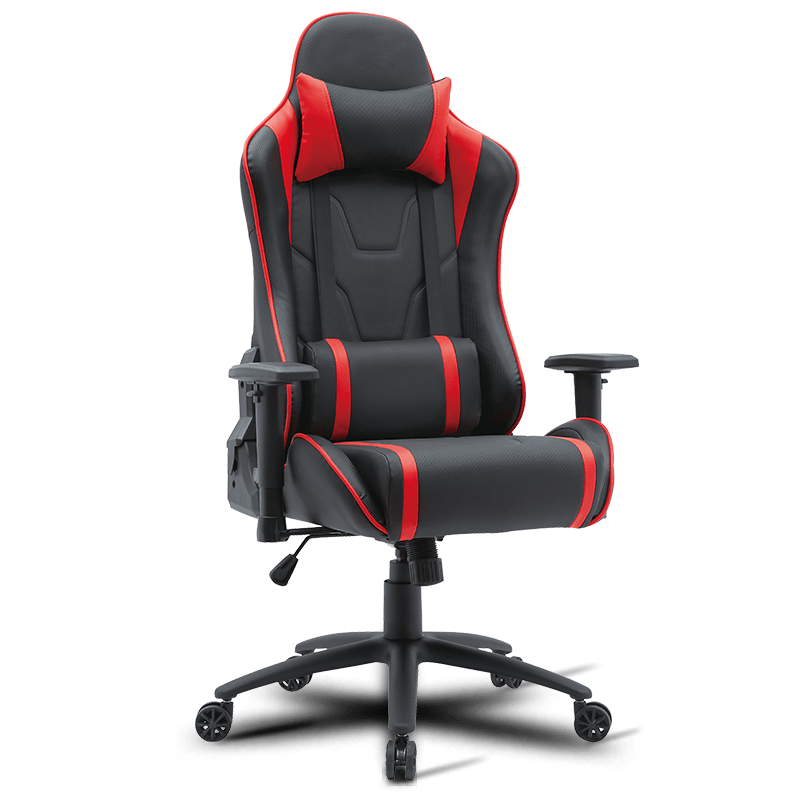
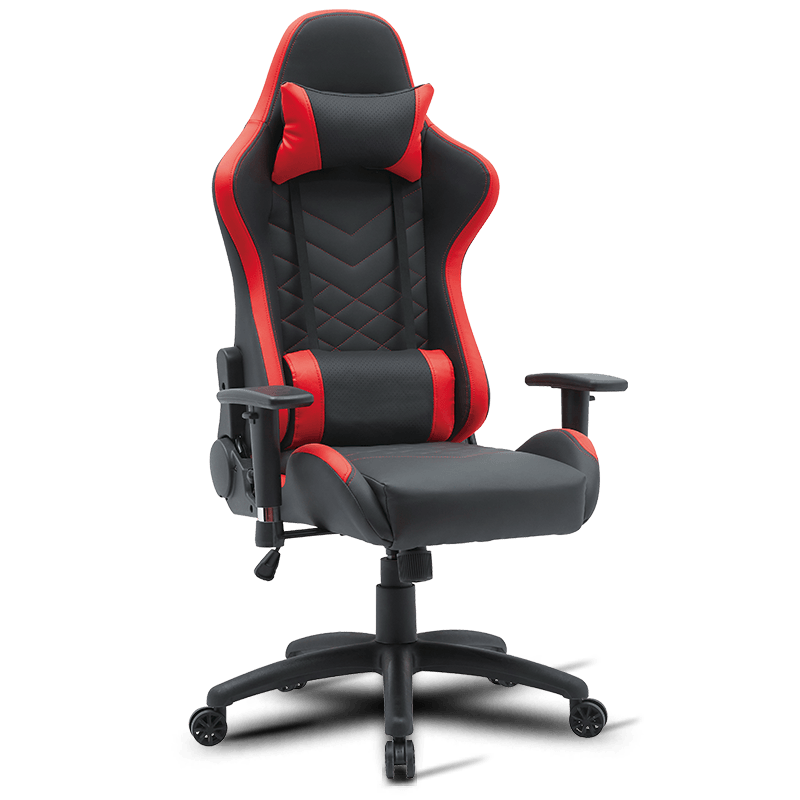
At first glance, a gaming chair and a standard office chair may seem interchangeable, but the engineering behind each tells a very different story. Gaming chairs are purpose-built for extended seated sessions — the kind that stretch across hours of intense gameplay, deep work focus, or marathon reading. Their design language borrows from motorsport bucket seats, prioritizing lateral support, deep cushioning, and a fully adjustable frame that adapts to the user rather than forcing the user to adapt to the chair.
The most immediate difference lies in the foam construction. A quality gaming chair uses thick, high-density sponge padding that distributes body weight evenly across the seat base and backrest. Unlike the thin foam found in budget office chairs — which compresses quickly and leaves users sitting on a hard shell within months — gaming chair foam retains its shape and support characteristics over years of daily use. Combined with a high-quality air rod (gas cylinder) beneath the seat, the chair maintains stable height adjustment and smooth elevation control without wobble or gradual sinking, even for heavier users.
The term ergonomic is used extensively in furniture marketing, but in the context of a serious gaming chair, it refers to a specific set of adjustable mechanical features that allow the chair to match the unique proportions and posture preferences of each individual user. A truly ergonomic gaming chair does not offer a one-size-fits-all seating position — it provides the tools to build a personalized one.
The gaming chair rack — the structural frame and reclining mechanism — is engineered with ergonomics at its foundation. Three primary adjustments define the ergonomic capability of any gaming chair worth considering:
Together, these three adjustable systems mean that the same chair can comfortably seat a 5'4" user and a 6'2" user, each in their own optimally supported position. This flexibility is precisely what separates an ergonomic gaming chair from a fixed-geometry seat that simply looks the part.
Two of the most functionally important features of a gaming chair are the detachable headrest pillow and the lumbar cushion. While some chair buyers treat these as optional extras, they are in reality the components most directly responsible for reducing the physical fatigue that builds up during extended seated sessions.
When gaming, working, or reading for several hours, the head — which weighs between 10 and 12 pounds — places a continuous load on the cervical spine. Without adequate neck support, users unconsciously lean their head forward, a posture that multiplies the effective load on the neck vertebrae dramatically. The gaming chair's adjustable headrest pillow fills the natural cervical curve, keeping the head in a neutral position and preventing the forward head posture that leads to neck stiffness, tension headaches, and upper back pain over time.
The lumbar cushion targets the lower back — the region most commonly associated with chronic seated discomfort. The natural lumbar spine has an inward curve (lordosis) that flattens when seated without support, placing excess stress on the intervertebral discs and surrounding muscles. A correctly positioned lumbar cushion maintains this natural curve, supporting the waist and effectively reducing the fatigue that would otherwise force users to shift, slouch, or stand up far more frequently. For gamers who need to maintain peak concentration and reaction time, staying physically comfortable for longer directly translates to better in-game performance.
Mobility is a frequently overlooked dimension of chair ergonomics. A chair that requires significant effort to reposition — or that tips or catches when rolling — disrupts workflow and introduces physical strain in low-awareness ways. The five-point rolling wheel base found on quality gaming chairs addresses this directly, providing a geometry that is inherently more stable than older four-point designs while enabling effortless 360-degree rotation and smooth movement across all directions.
The five wheels are typically fitted with polyurethane (PU) or nylon castors, with PU castors preferred for hard floor surfaces such as wood, tile, or laminate because they roll quietly and do not scratch the floor. For carpeted environments, standard nylon castors provide adequate grip and smooth movement. The 360-degree swivel base means users can turn to reach a second monitor, a side desk, or a shelf without twisting their spine — a small convenience that accumulates into significant ergonomic benefit across a full working or gaming day.
The label "gaming chair" can be misleading — it implies a product designed exclusively for one activity. In practice, a well-designed ergonomic gaming chair performs equally well as a home or office chair for professionals, students, and remote workers who spend long hours seated at a desk. The same features that benefit a gamer — deep lumbar support, adjustable armrests, reclining backrest, and headrest pillow — are precisely the features that occupational health specialists recommend for any knowledge worker spending six or more hours per day at a workstation.
The growing work-from-home population has driven strong demand for seating that bridges the gap between home comfort and office-grade support. A gaming chair placed in a home office delivers both: the visual boldness that suits a personal space and the ergonomic rigor that sustains productivity across a full working day. For home or office environments where a single chair must serve multiple purposes — daytime work, evening gaming, weekend reading — a gaming chair offers a versatility that dedicated office chairs or consumer lounge chairs simply cannot match.
| Use Case | Key Features Used | Recommended Setting |
|---|---|---|
| Competitive Gaming | Upright backrest, armrest alignment, lumbar cushion | 90–100° recline, seat at knee height |
| Office / Remote Work | Height adjustment, lumbar support, 360° rotation | 90–105° recline, feet flat on floor |
| Reading / Relaxing | Reclined backrest, headrest pillow | 120–135° recline, headrest engaged |
| Video Streaming | Tilt lock, headrest, lumbar cushion | 110–125° recline, tilt locked |
With dozens of models available across a wide price range, selecting the right gaming chair requires evaluating several concrete criteria rather than relying on branding or aesthetics alone. The following factors should guide any serious purchasing decision:
A gaming chair is a long-term investment in physical comfort and performance. Whether your priority is competitive gaming, full-day remote work, or the flexibility to do both from the same seat, choosing a chair with genuine ergonomic engineering — not just the visual cues of one — will pay dividends in comfort, focus, and physical wellbeing across every hour you spend in it.
-1.png)
Executive Office Chair: Ergonomic Buyer's Guide
Apr 23,2026Ergonomic Mesh Office Chair Buying Guide
May 08,2026Your email address will not be published. Required fields are marked *
Copyright © Anji Mingchuang Furniture Co., Ltd. All Rights Reserved.
