 {|get_lang_name}
 {|get_lang_name}
Product Consultation
Your email address will not be published. Required fields are marked *


Two people of very different heights sit down in the same chair. The taller one feels the seat edge press against the back of their knees, while the shorter one's feet barely reach the floor. Neither adjusts anything, and within an hour both are shifting uncomfortably. That chair was not designed with anthropometric data in mind.
The practical conclusion is simple: ergonomics and anthropometrics are two halves of the same design problem. Anthropometrics supplies the measurements of the human body, and ergonomics applies those measurements to create products that fit people well. When both are used properly, seating supports natural posture, reduces pressure points, and keeps the sitter comfortable for hours. When they are ignored, even a well-built chair can fail its users.
Content
Anthropometrics is the branch of human science that deals with the physical measurements of the body, including size, shape, and the range of movement of each body segment. In product design, anthropometric data is collected from defined populations and then used to set the dimensions of the things people interact with.
Static (or structural) measurements are taken when the body is in a fixed position: standing height, sitting height, hip width, shoulder breadth, and the distance from the floor to the underside of the thigh. Dynamic (or functional) measurements are taken while the body is in motion, such as reach range, twisting capacity, and the angle limits of joints. Seating design relies on both, because a chair must support a static seated posture and also allow the user to shift, lean, and reach without strain.
Individual bodies vary widely, so designers work with percentile ranges rather than averages. The 5th percentile represents a smaller body, the 95th percentile represents a larger body, and a design that accommodates from the 5th to the 95th percentile will fit the majority of a given population. This is why seat height adjustability matters so much: no single fixed height can serve the shortest and tallest users, but a lift range that covers the middle 90 percent of popliteal heights can.
Ergonomics, also called human factors, is the science of fitting the task, tool, or environment to the person who uses it, rather than forcing the person to adapt. In furniture, this means designing chairs that support a neutral spine position, promote good circulation, and allow a healthy range of movement during long periods of sitting.
Physical ergonomics is the aspect most people think of first. It covers body posture, repetitive movement, and the forces the body exerts on a surface. For seating, physical ergonomics determines how the backrest follows the natural S-curve of the spine, how the seat cushion distributes weight, and how the armrests relieve load from the shoulders.
Cognitive ergonomics deals with mental workload, perception, and decision-making. In a chair, this translates into controls that are easy to find and operate: a height lever that works intuitively, a recline tension knob that does not require reading a manual, and adjustments that can be made while seated. A chair with good cognitive ergonomics is one users actually adjust, instead of leaving the settings unchanged because the mechanism feels confusing.
Anthropometric data is the input; ergonomics is the application. The designer measures the body first, then uses ergonomic principles to turn those numbers into functional features such as seat height range, lumbar support position, and armrest adjustment.
A lumbar support cushion is a good example. The curve of the lower back sits at a fairly consistent height above the seated surface across a given population, but it varies enough between individuals that a fixed bump in the backrest will miss its target for many users. An adjustable lumbar support lets the user move the pad up and down to match their own anatomy, which is an anthropometric solution applied through ergonomic design.
| Measurement | Approximate adult range | Design implication |
|---|---|---|
| Popliteal height (floor to back of knee) | 38-48 cm | Seat height range; a gas lift must allow the user's feet to rest flat on the floor. |
| Hip width | 33-45 cm | Minimum seat width; too narrow creates pressure on the hips and thighs. |
| Buttock-to-popliteal length (seat depth) | 44-54 cm | Seat depth; a waterfall front edge prevents pressure behind the knees. |
| Lumbar spine height above the seated surface | 15-25 cm | Position of lumbar support; adjustability is needed to cover the range. |
| Elbow height while seated | 19-28 cm | Armrest height range; the user's shoulders should stay relaxed, not elevated. |
The ranges above are working approximations used in seating design, and they are exactly why adjustability appears on so many well-designed chairs. A seat height adjustment of roughly 40-52 cm, for example, covers the popliteal range of most adults when combined with a slightly angled seat and feet that reach the floor comfortably.
Once the principles are clear, the features on a spec sheet become easier to evaluate against real body measurements.
Seat height is the single most important ergonomic adjustment. The user's feet should rest flat on the floor with knees at roughly a 90-degree angle, and the height lever should move the seat through a range wide enough to accommodate different leg lengths. A chair that adjusts from about 40 to 52 centimetres covers the majority of adult users. For a closer look at how this prevents poor posture, our guide to adjustable-height office chairs walks through the biomechanics in detail.
Lumbar support should sit in the natural inward curve of the lower back, roughly 15 to 25 centimetres above the seated surface depending on the user. Fixed lumbar bumps work only if the user happens to match the position; height-adjustable lumbar support is far more reliable. Chairs such as our ergonomic gaming chair with headrest and lumbar support are designed with this range in mind, and the same principle applies to mesh office seating, where the tension of the mesh must also hold the lumbar curve without sagging.
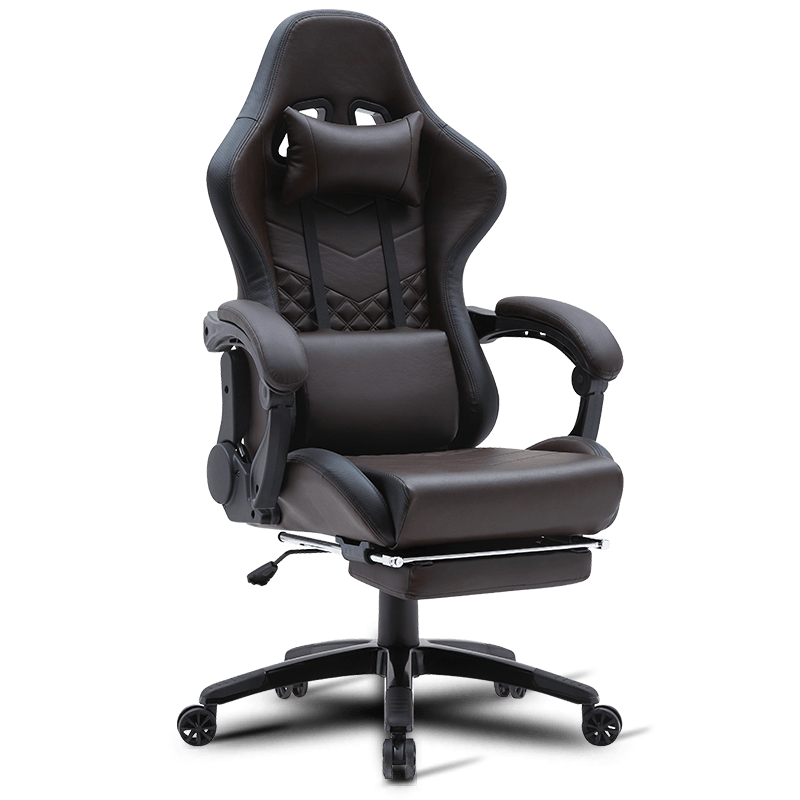
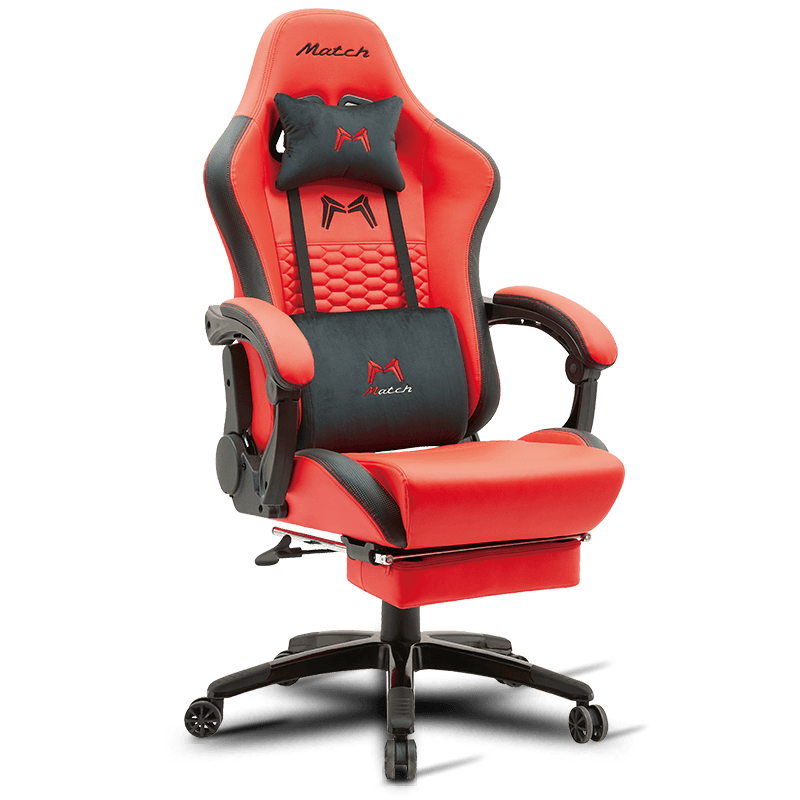
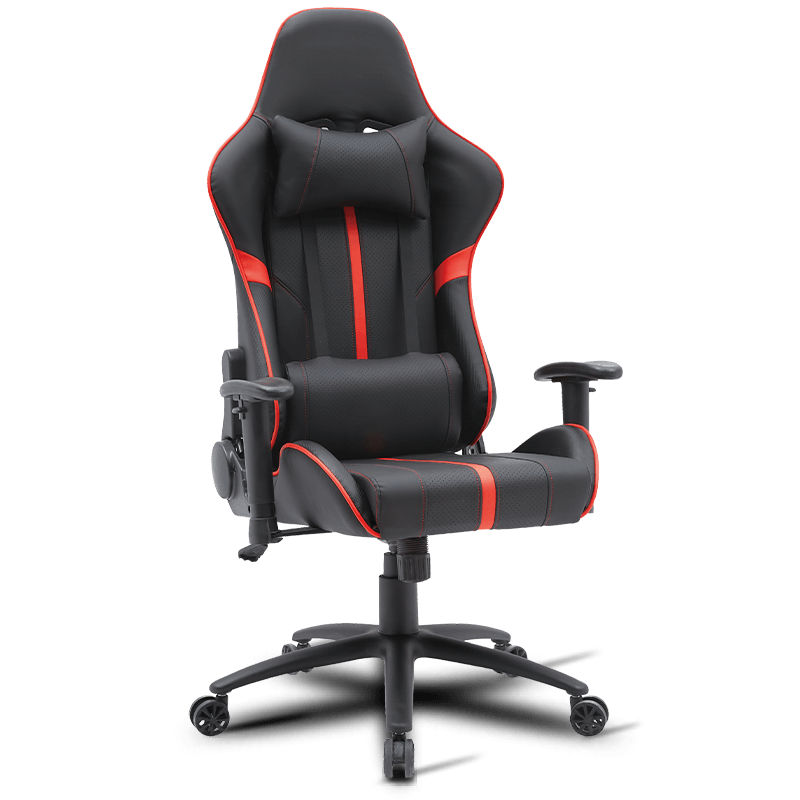 Custom MC-5802 Ergonomic Gaming Chair with Headrest Lumbar Support Suppliers, OEAnji Mingchuang Furniture Co., Ltd is one of the custom MC-5802 Ergonomic Gaming Chair with Headrest Lumbar Support suppliers and OEM/ODM...View Product →
Armrests should support the forearms so the shoulders stay relaxed. Fixed armrests are a gamble because elbow height varies with torso length and chair height. 2D armrests add height and width adjustment, while 3D and 4D versions also move fore-and-aft and rotate, giving the user a much better chance of finding a neutral position.
If the seat is too deep, the front edge presses into the back of the knees and restricts blood flow. A seat depth range that suits the buttock-to-popliteal length of the user, combined with a rounded waterfall front edge, keeps pressure off the soft tissues behind the knee while the thighs stay supported.
A backrest that reclines and a seat that tilts allow the user to change position during the day, which reduces the static load on the spine. The tilt mechanism should offer resistance that matches the user's body weight, so the chair moves with the person instead of either snapping back or refusing to move.
The mistake most buyers make is treating "ergonomic" as a label rather than a set of measurable features. The label tells you nothing; the adjustment ranges and the dimensional fit tell you almost everything.
For commercial buyers, the equation includes the end market. A wholesale order of office chairs intended for a general workforce needs a wider adjustment range than a batch of task chairs for a single workstation. The same logic applies to mesh office chairs with adjustable lumbar support and to ergonomic high-back executive chairs with lumbar support cushions: the more the chair can be tuned to the individual, the broader the population it can serve.
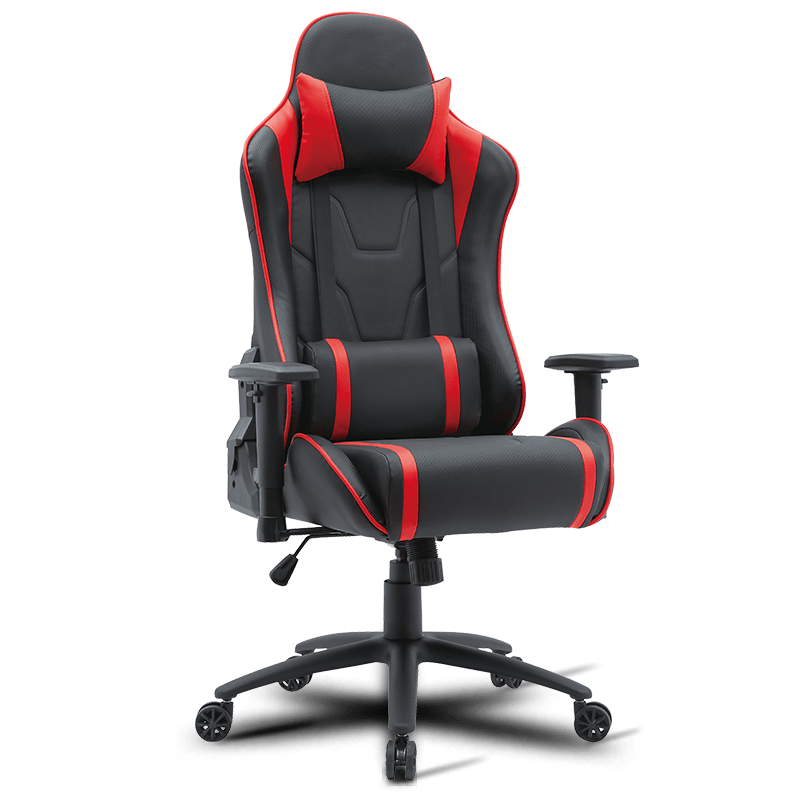
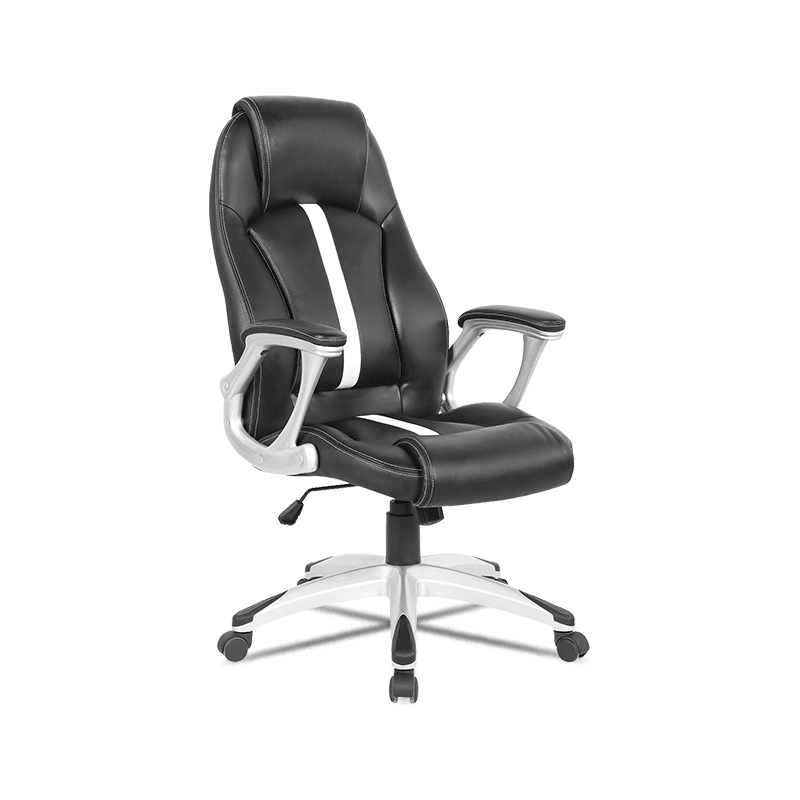 Custom MC-7109 Ergonomic Adjustable High Back Executive Office Chair with LumbarAnji Mingchuang Furniture Co., Ltd is one of the custom MC-7109 Ergonomic Adjustable High Back Executive Office Chair with Lumbar Support...View Product →
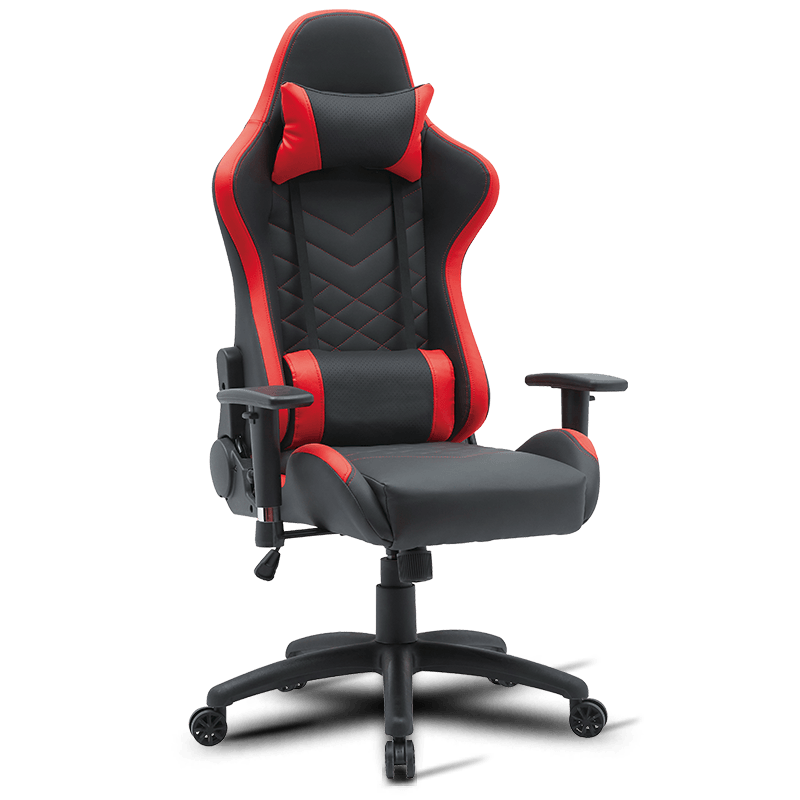
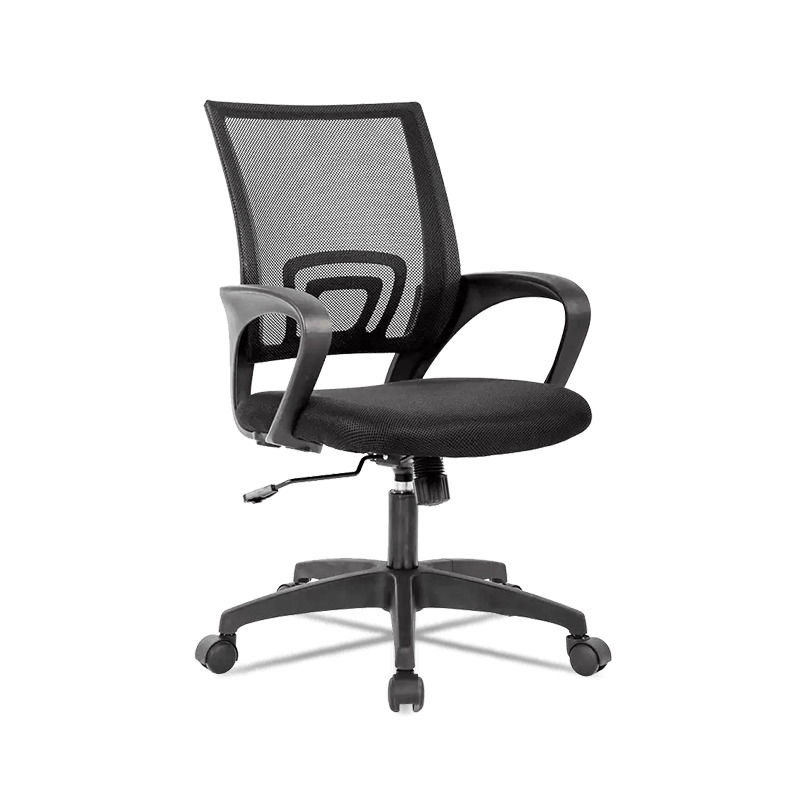 Custom MC-7802 Adjustable Mid Back Home Mesh Computer Office Chair with Lumbar SAnji Mingchuang Furniture Co., Ltd is one of the custom MC-7802 Adjustable Mid Back Home Mesh Computer Office Chair with Lumbar Support s...View Product →
At our factory, anthropometric thinking is built into the development process from the first prototype rather than added as a marketing feature. We design the frame geometry, cushion density, and adjustment mechanisms around seated body measurements, then verify the result through extended sitting tests. You can read more about how we approach design and production on our company overview, or contact our team to discuss specifications before placing a wholesale order.
Armrests Lumbar Support: Ergonomic Seating Buying Guide for Buyers
Aug 04,2026Ergonomics and Anthropometrics: How Body Measurements Drive Better Chair Design
Aug 17,2026Your email address will not be published. Required fields are marked *


Copyright © Anji Mingchuang Furniture Co., Ltd. All Rights Reserved.
