 {|get_lang_name}
 {|get_lang_name}
Product Consultation
Your email address will not be published. Required fields are marked *


Anthropometrics defines who you design for; ergonomics decides how the product adapts to them. A chair that fits a 5th-percentile female and a 95th-percentile male is not a premium option. It is the baseline for commercial seating.
A call center manager once ordered 300 identical chairs for a team whose heights ranged from 152 cm to 191 cm. Within six weeks, more than 40 employees reported thigh pressure, lower-back fatigue, or feet that could not reach the floor. The chair model passed quality inspection. The problem was a mismatch between fixed dimensions and a varied human population.
This happens in offices, gaming lounges, home workspaces, and dining venues whenever purchasing decisions ignore ergonomics and anthropometrics. The data and the design process to prevent it are well established.
Content
Anthropometrics is the discipline that records physical dimensions of the human body. Ergonomics applies those measurements to design products, workspaces, and tasks so they fit human capabilities and limits. One is measurement; the other is application.
Physical ergonomics arranges the seat, backrest, armrests, and controls around anatomy. Cognitive ergonomics makes the adjustment mechanisms understandable, so users actually change them instead of ignoring them. Both matter in commercial furniture.
The underside of the knee defines the maximum comfortable seat height. Feet should rest flat with knees at roughly 90 degrees.
The natural lordotic curve of the lower spine needs localized support. Lumbar height varies by several centimeters between small and tall users.
Armrests set too high push the shoulders upward; too low leaves the arms unsupported. Adjustable height covers the range across users.
This is why adjustability is not a convenience feature. It is the practical way to make one chair frame serve a realistic range of body sizes. Our explanation of how adjustable chairs support dynamic sitting positions covers the posture benefits in more depth.
Good seating design targets a clear population range: from the 5th-percentile female to the 95th-percentile male. The table below shows typical reference values used by furniture engineers.
A chair with a fixed 460 mm seat height serves only the middle of this population. A 5th-percentile user with a 355 mm popliteal height cannot rest their feet flat, which increases pressure under the thighs. A 95th-percentile user with a 490 mm popliteal height gets contact at the front edge and reduced circulation. The practical answer is a gas lift that spans roughly 420–540 mm, which is why most serious office chairs use one.
Lumbar support follows the same logic. Because lumbar curve height differs by 100 mm between small and tall users, a fixed hump in the backrest helps only a narrow band. An adjustable lumbar cushion, as found on this adjustable mid-back mesh office chair with lumbar support, lets each user position support at their own curve height.
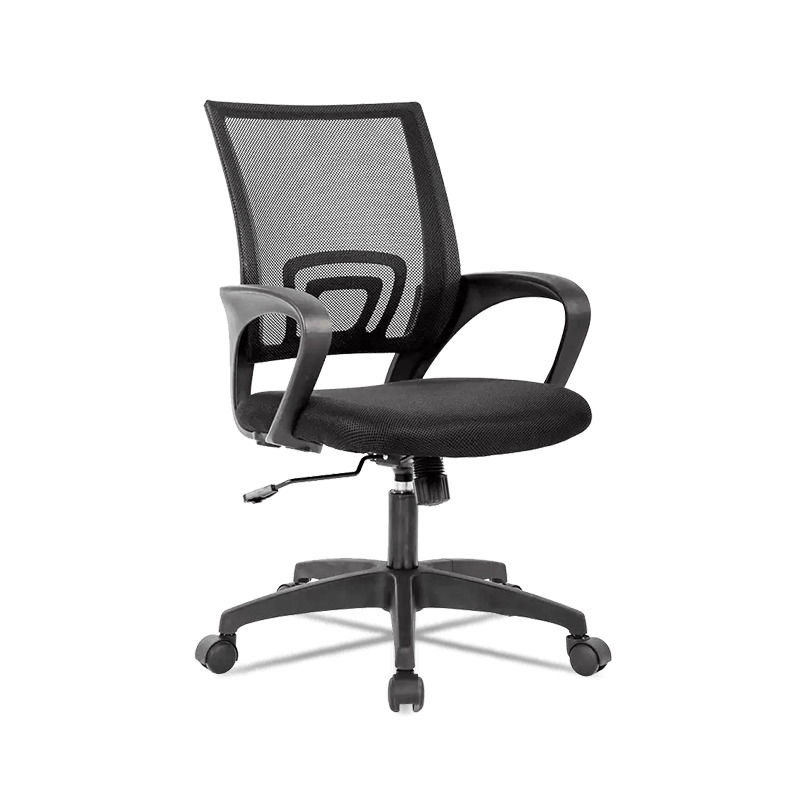 Custom MC-7802 Adjustable Mid Back Home Mesh Computer Office Chair with Lumbar SAnji Mingchuang Furniture Co., Ltd is one of the custom MC-7802 Adjustable Mid Back Home Mesh Computer Office Chair with Lumbar Support s...View Product →
Dimensions alone do not tell the full story. Two chairs with identical seat height can feel completely different because of how they distribute load. The chart below compares relative compression load on the lumbar spine across common seating types, using a plain stool as the 100-point reference. The values are relative indicators, not laboratory measurements.
When the hips drop below knee height, the pelvis rotates backward and lumbar disc pressure climbs. When the seat front presses into the thigh, blood flow narrows and users shift constantly, adding muscle strain. Three construction details reduce these loads: a waterfall front edge that curves down toward the knees, high-density foam that spreads the load of the ischial tuberosities, and a backrest that follows the natural curve during recline.
Foam density is a hidden metric that appears in no brochure photo. At 35–50 kg/m³, cushioning keeps its resilience after a full shift; softer foams feel pleasant for minutes but bottom out under sustained load.
Demand for ergonomic seating is not evenly distributed. The estimated application mix below reflects where buyers and end users place the highest value on anthropometric fit.
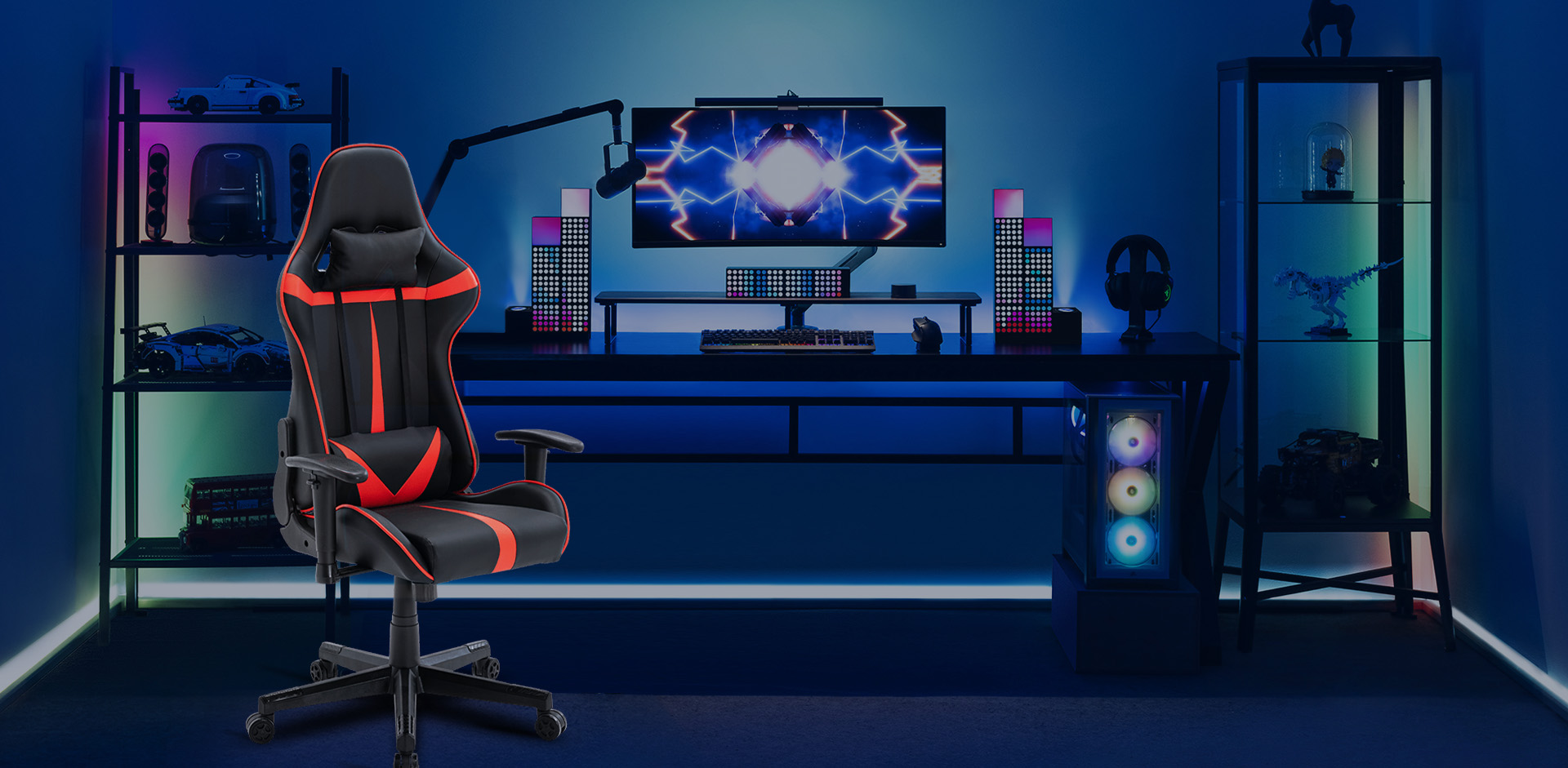
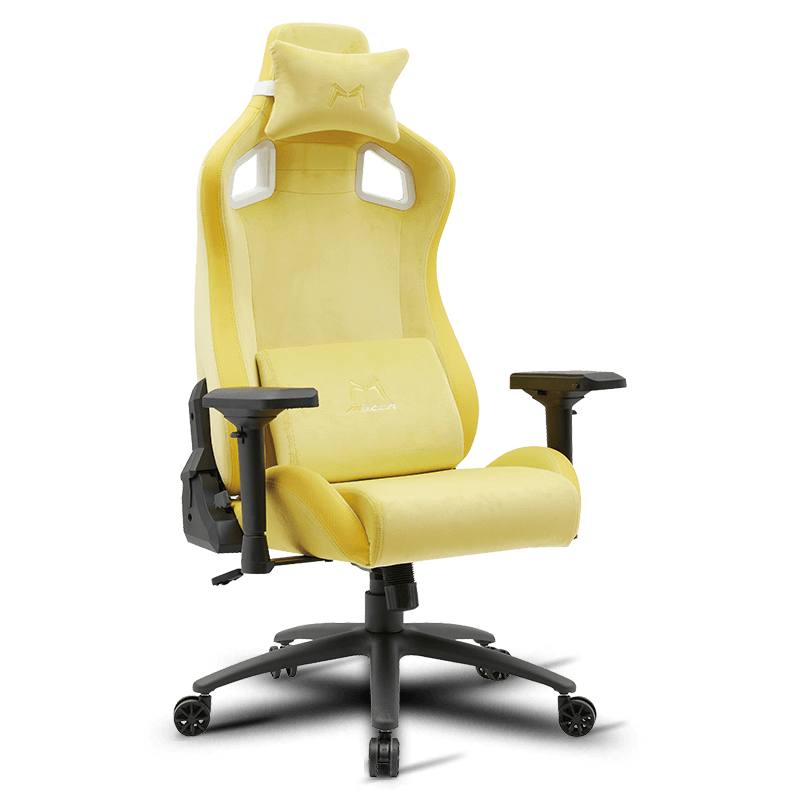 Custom MC-9213 Adjustable Lumbar Support and 4D Armrest Gaming Chair Suppliers, Anji Mingchuang Furniture Co., Ltd is one of the custom MC-9213 Adjustable Lumbar Support and 4D Armrest Gaming Chair suppliers and OEM/O...View Product → is representative of this category.
Wholesale buyers can apply anthropometric reasoning before committing to any chair series. The process below works for both small pilot orders and large tenders.
Record the height range, typical body types, and daily sitting hours. Do not assume a single national average fits your market.
Desk work needs a synchronized tilt mechanism; reclining tasks need a backrest that moves with the sitter; multi-user areas need quick adjustment controls.
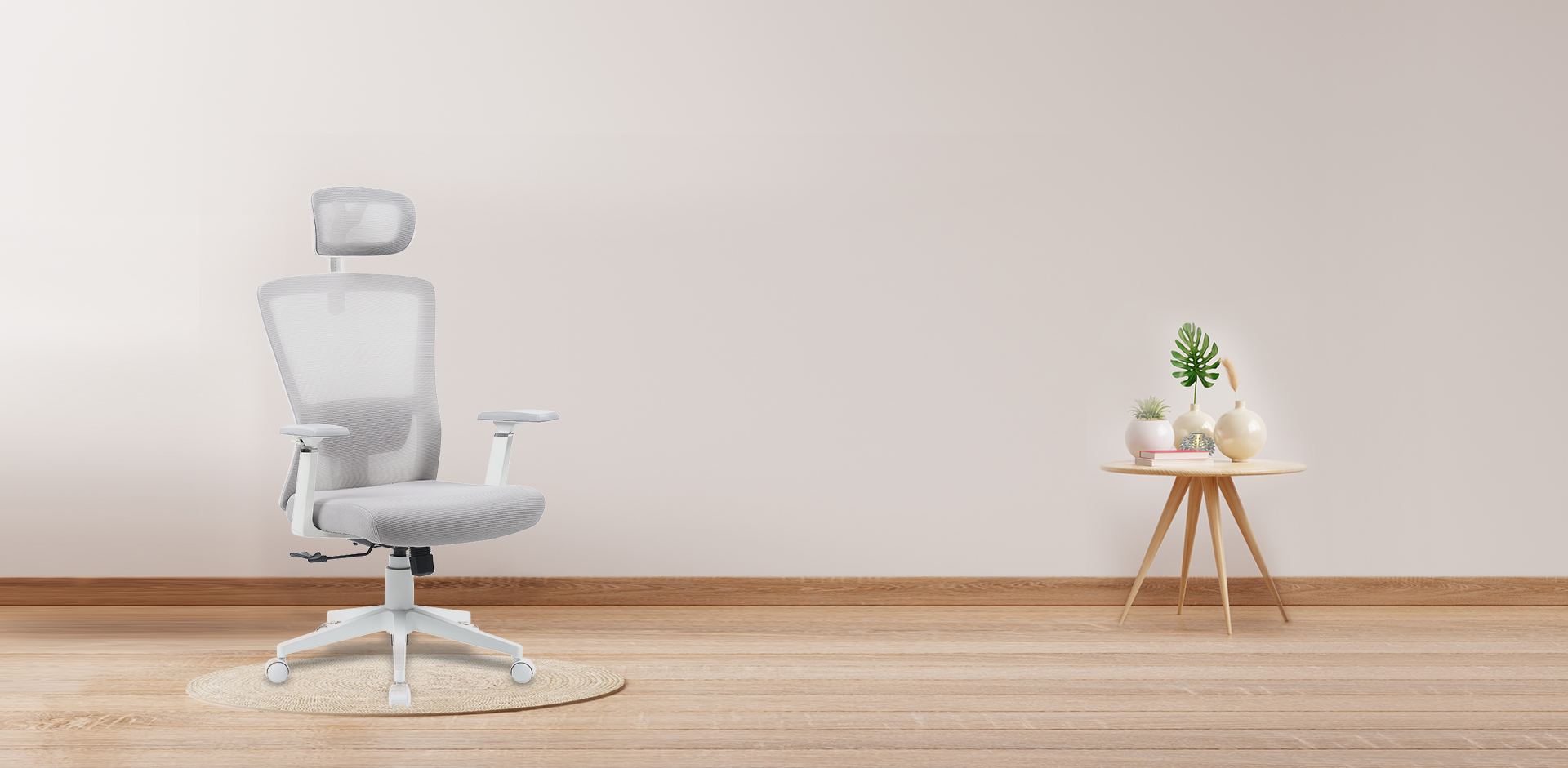
Compare seat height, backrest height, armrest, and lumbar ranges against your user profile. A model such as this ergonomic adjustable high-back executive chair with a lumbar support cushion exists because fixed-support chairs fail this test.
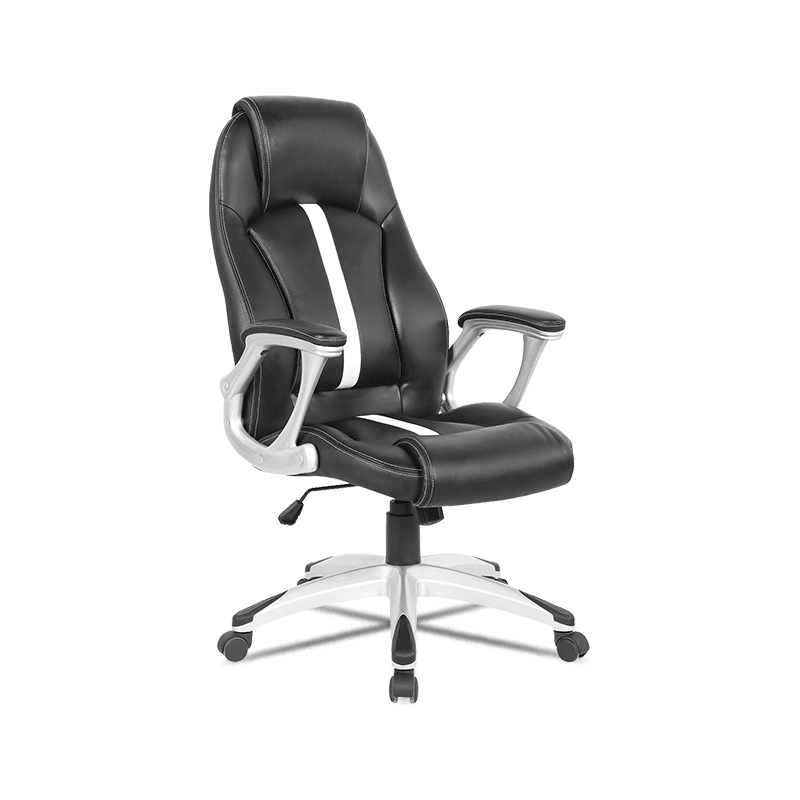 Custom MC-7109 Ergonomic Adjustable High Back Executive Office Chair with LumbarAnji Mingchuang Furniture Co., Ltd is one of the custom MC-7109 Ergonomic Adjustable High Back Executive Office Chair with Lumbar Support...View Product →
Confirm that the model meets recognized seating standards and that gas lift cylinders carry class 3 or 4 certification.
Put samples in front of your shortest and tallest users first. If both can sit with feet flat, knees free, and lumbar supported, the model passes.
An ergonomic chair only delivers value if it keeps performing. Buyers should look beyond the first sample and plan for standards compliance and maintenance.
These checks matter commercially because a chair that sags or drops unexpectedly becomes a liability claim as much as a comfort issue.
Every chair order is, in effect, an anthropometric decision. When a buyer knows the user population and the adjustment ranges of a product, most seating complaints become predictable and preventable.
The factory behind this guide has built its engineering and quality review process around the same principle: fit starts with measurement. Buyers who share their user population data with our team get a concrete comparison between their end users and the specification sheets of each chair series, from executive chairs to dining chairs.
Anthropometrics tells you who your users are. Ergonomics tells you what to build. The best commercial seating programs never separate the two.
Ergonomics and Anthropometrics: How Body Measurements Shape Comfortable Seating
Aug 11,2026Can Sitting in an Office Chair Cause Hemorrhoids? Pressure, Risks & Fixes
Aug 24,2026Your email address will not be published. Required fields are marked *
Copyright © Anji Mingchuang Furniture Co., Ltd. All Rights Reserved.
