 {|get_lang_name}
 {|get_lang_name}

Product Consultation
Your email address will not be published. Required fields are marked *


Two mesh chairs leave the same factory floor in the same price band with the same 120-degree recline, yet one collects "neck ache after four hours" reviews and the other does not. The difference is almost never the mesh. It is how far the headrest face sits forward of the backrest plane, and whether the tilt mechanism gives the user a comfortable stop before they start chasing the monitor with their chin. If complaints about a neck going forward are landing in your after-sales inbox, treat it as a seating-geometry problem first and a foam problem second.
The short version
Content
Forward head posture describes the head sitting ahead of the shoulder line instead of stacked over it. Clinicians usually quantify it with the craniovertebral angle, measured between a line from the C7 vertebra to the ear canal and a horizontal line. A smaller angle means the head has drifted further forward. Once the head moves ahead of its own center of mass, the posterior neck muscles and upper trapezius work as a brake all day, which is why users describe tension and tightness rather than sharp pain.
The load figure quoted most often — roughly 4.5 kg of effective load per inch of forward translation — comes from static modelling rather than a universal laboratory constant. The direction of the effect is reliable even when the exact number is not: small positional changes create disproportionate sustained demand.
In furniture terms, three everyday chair conditions push the head forward:
None of those is solved by a softer cushion. They are solved by a different combination of adjustment ranges.
When a spec sheet is written for procurement, these five parameters deserve written tolerances rather than adjectives like "comfortable" or "ergonomic".
The headrest face should sit roughly 30–50 mm forward of the backrest surface, no more. A headrest pushed out to meet the skull props the head forward, which is the opposite of the intent. Ask for a side-profile drawing with the measurement marked.
95–105 degrees suits focused task work and 110–120 degrees suits screen viewing. What matters commercially is a mid-stop that holds without drifting, so users do not hang on the backrest edge and translate load into the neck.
A support peak 150–250 mm above the seat surface holds the pelvis upright. Too low and it acts as a sacral bump that tilts the pelvis back; too high and it becomes a ribcage brace. Either error produces slouching, and slouching produces the forward neck.
Elbows near 90 degrees with forearms roughly parallel to the floor. Specify a height band with ±20 mm tolerance. Armrests that cannot reach that band leave the shoulders unsupported, and rounded shoulders pull the head forward within minutes.
A two-to-three-finger gap behind the knee is the classic check. An over-deep seat forces the user to perch forward to reach the floor, and perching is the beginning of the head-forward chain.
For buyers assembling a range, the simplest way to buy defensively is to sample across these adjustment classes rather than across price tiers. A mid-back mesh model with a height-adjustable lumbar pad is usually the cheapest way to prove the geometry works before committing to tooling — the lumbar support seating range is a practical place to start that comparison.
In the executive and meeting segment, where users recline more and lean back further, a high back with a separate lumbar cushion tends to hold geometry better than a single moulded shell. Models built around that logic, such as the adjustable headrest chair options, are worth pulling into a side-by-side comparison with your current bestseller.
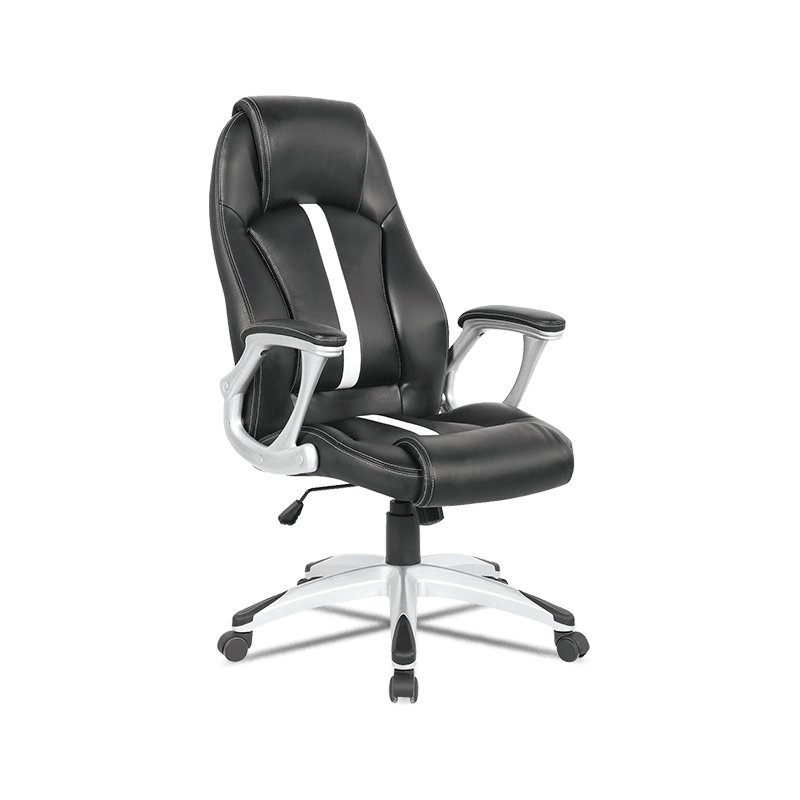 MC-7109 High-Back Executive Chair with Lumbar CushionThis adjustable high-back executive chair pairs a lumbar cushion and recline control with PU leather, making it a practical comparison for meeting and executive seating.View Product →
When after-sales teams categorise neck and shoulder complaints from a shipped batch, the pattern tends to look like the chart below. Treat the split as an indicative starting hypothesis for your own return logs, not as an industry statistic.
The practical reading: two-thirds of the discomfort sits in parts you can specify with a drawing. A mid-back mesh computer chair with a height-adjustable lumbar pad and a defined headrest offset covers the largest slice at the lowest tooling cost.
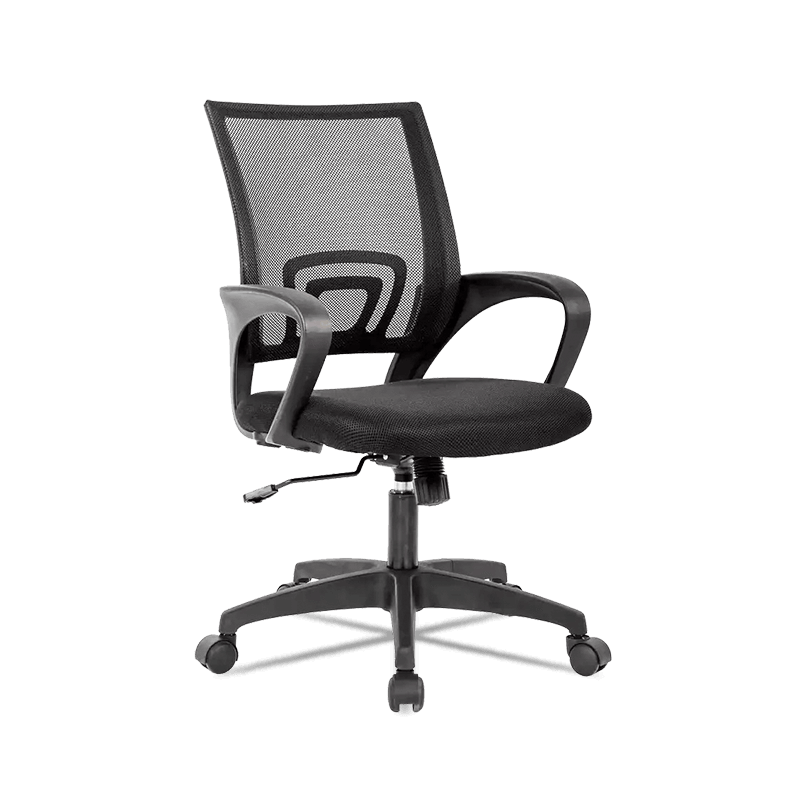 MC-7802 Mid-Back Mesh Computer Chair with Lumbar SupportA space-saving mid-back mesh chair with lumbar support and lockable height control, useful for computer desk setups that need compact support and easy movement.View Product →
The shares are indicative rather than surveyed, but the implication is stable: the same document needs two columns of tolerances, one for long-session use and one for short-session use. Written as a single "ergonomic" requirement, both get lost.
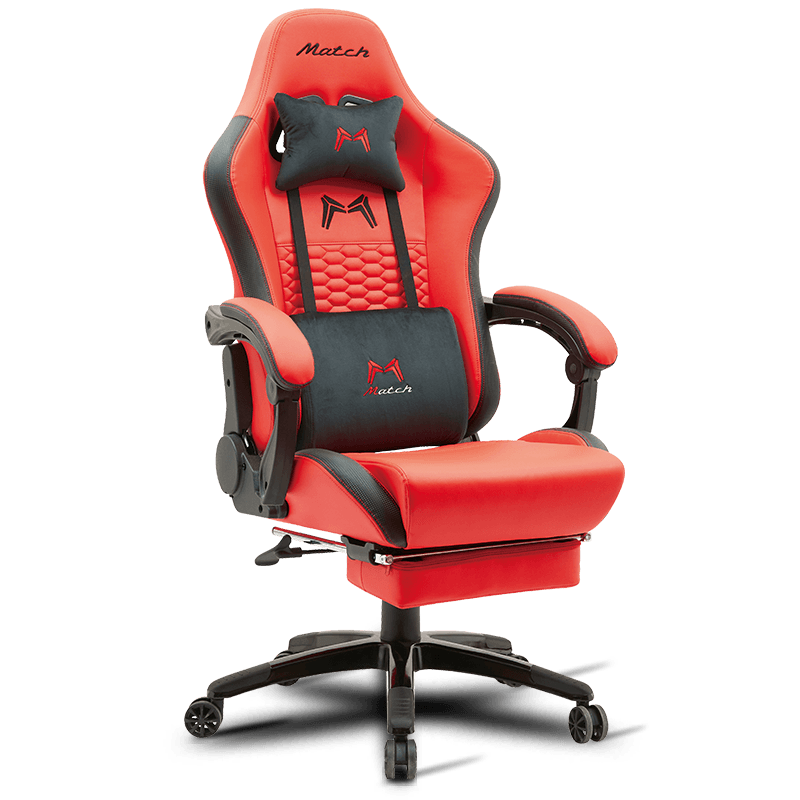
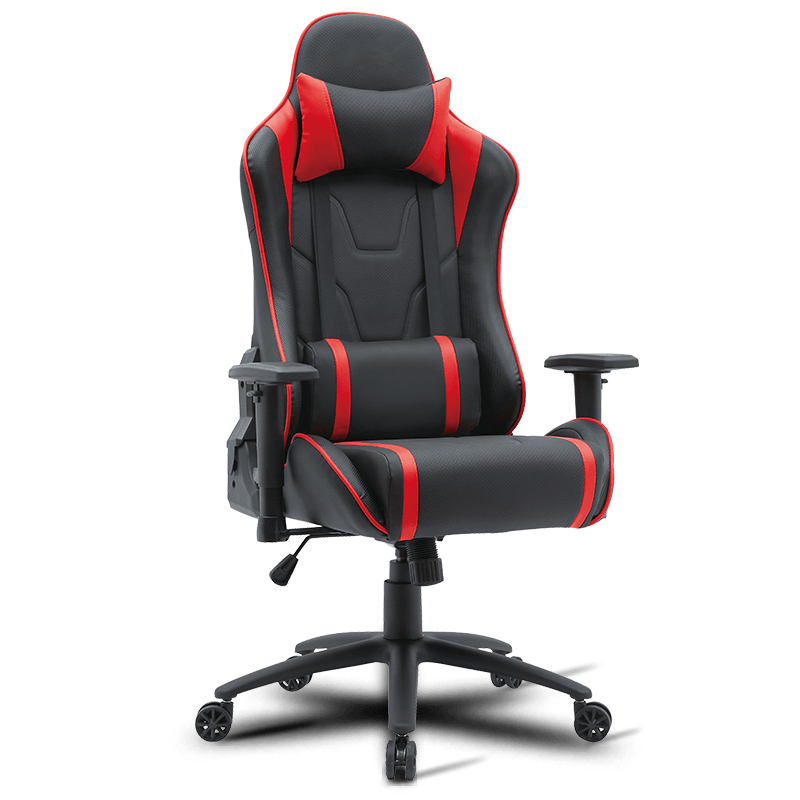
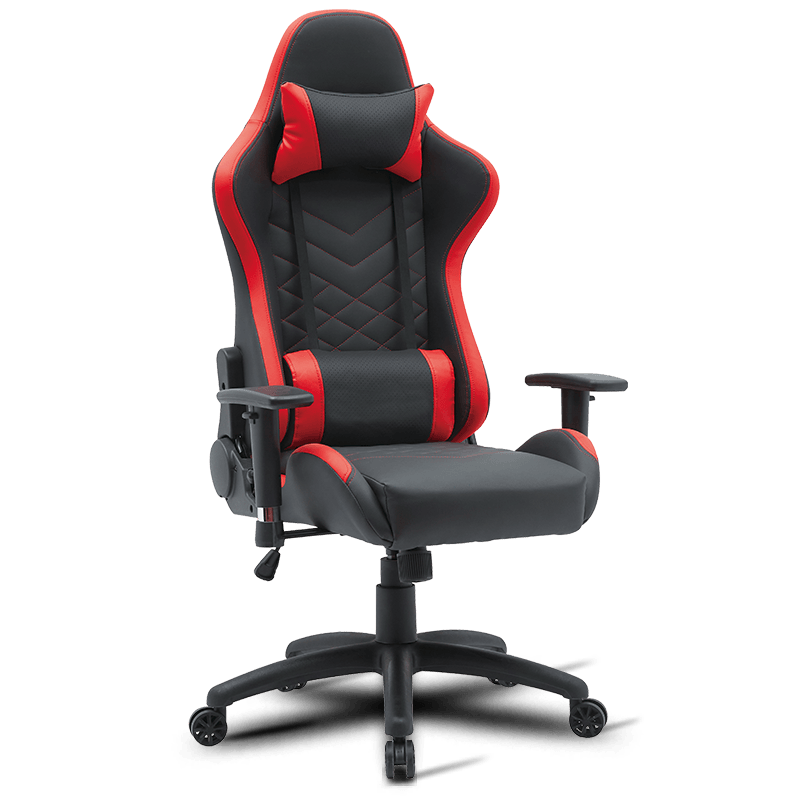
Gaming lines are often the hardest to hold, because buyers want bold shells and deep side bolsters. Models that keep a separate lumbar pad and a genuinely adjustable armrest, rather than a fixed racing shell, make the trial far easier to pass.
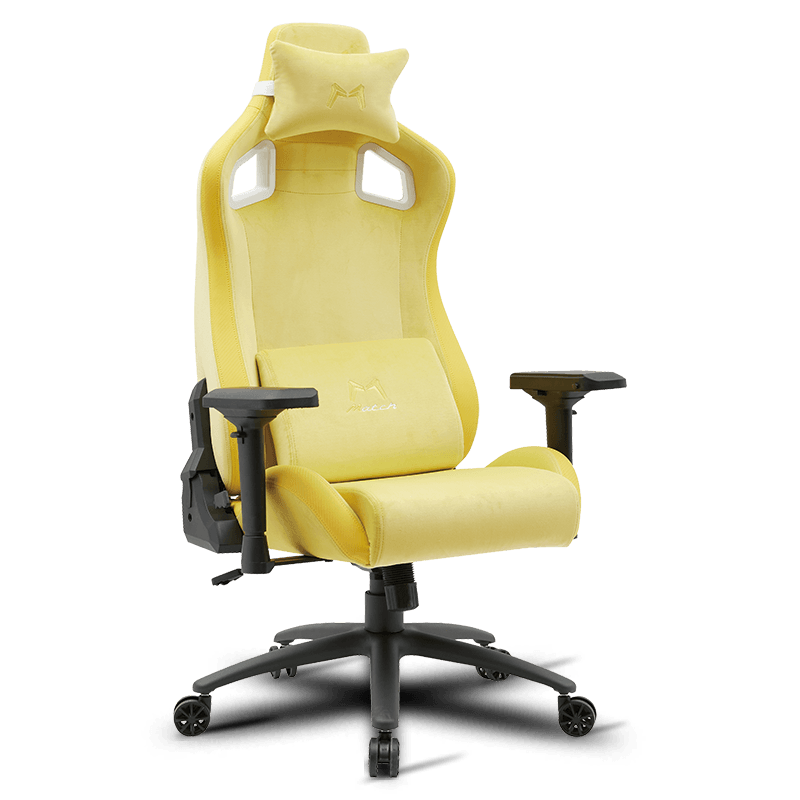 MC-9213 Gaming Chair with 4D Armrests and Lumbar SupportThis faux-leather gaming chair combines adjustable lumbar support, 4D armrests and a 90–135° recline, making it worth checking for gaming or mixed-use seating.View Product →
Geometry drifts over time, and a chair that once met the spec sheet may not meet it in year two. Three checks keep a shipped batch honest:
On compliance, ask suppliers for test reports against the standard your market expects — BIFMA X5.1 for North America, EN 1335 series for Europe — and confirm the report covers the exact model and mechanism variant, not a sibling SKU. Where a factory publishes its own quality-control process, read it as a starting point for your audit checklist rather than as proof of performance.
Handle the spec sheet as the contract, the sample as the evidence, and the field trial as the only real test. When the neck stops going forward in month six, it will be because the geometry was written down, not because the cushion was softer.
Why Your Butt Hurts When Sitting: Chair Fit, Pressure Relief, and Buying Guide
Nov 09,2026Your email address will not be published. Required fields are marked *
Copyright © Anji Mingchuang Furniture Co., Ltd. All Rights Reserved.
