 {|get_lang_name}
 {|get_lang_name}
Product Consultation
Your email address will not be published. Required fields are marked *


Content
Your knee starts aching 20 minutes into a video call, or it feels stiff when you stand up after lunch. The chair may not be the whole story, but it is often the first lever worth checking. For most people with knee pain when sitting, the practical fix is not a softer cushion. It is a better joint angle, less sustained pressure behind the kneecap, and more frequent changes of posture.
Start with this target: feet flat on the floor or a footrest, knees bent roughly 90–100 degrees, hips level with or slightly higher than the knees, and a 2–3 finger gap between the seat edge and the back of the knee. If the chair cannot reach that zone, no amount of lumbar padding will fully compensate.
This is not a diagnosis. Knee pain can come from patellofemoral pain syndrome, arthritis, meniscus irritation, tendon problems, or simply stiffness after inactivity. The chair is one variable among several, and persistent pain, swelling, locking, or giving way deserves a clinical review.
Sitting is not a neutral position for the knee. A bent knee increases pressure between the kneecap and the thigh bone, especially when the seat is too low or the feet are unsupported. Long periods in one posture also reduce circulation and leave the joint stiff, so the first few steps after standing can feel worse than walking did before you sat down.
The kneecap is compressed against the femur when the knee stays bent. Low seats and deep seat pans can make that pressure feel sharper.
Osteoarthritis often feels worse after rest. The knee needs a moment to “warm up” before walking feels normal again.
A chair that is too low, too high, or too deep changes where load lands. The knee may be compensating for an unstable foot base.
Thirty to sixty minutes without a posture change is a useful prompt to move, not a medical threshold. Movement restores synovial fluid and reduces stiffness.
Before buying, adjust what you already have. A five-minute audit catches many avoidable problems in office, home-office, dining, and gaming chairs.
For facility buyers, this is also a specification issue. A chair with independent seat-height and lumbar adjustment can fit a wider range of users than a fixed-back model. If you are comparing options, start with lumbar support seating that allows the pelvis and knees to settle without forcing a slouched position.
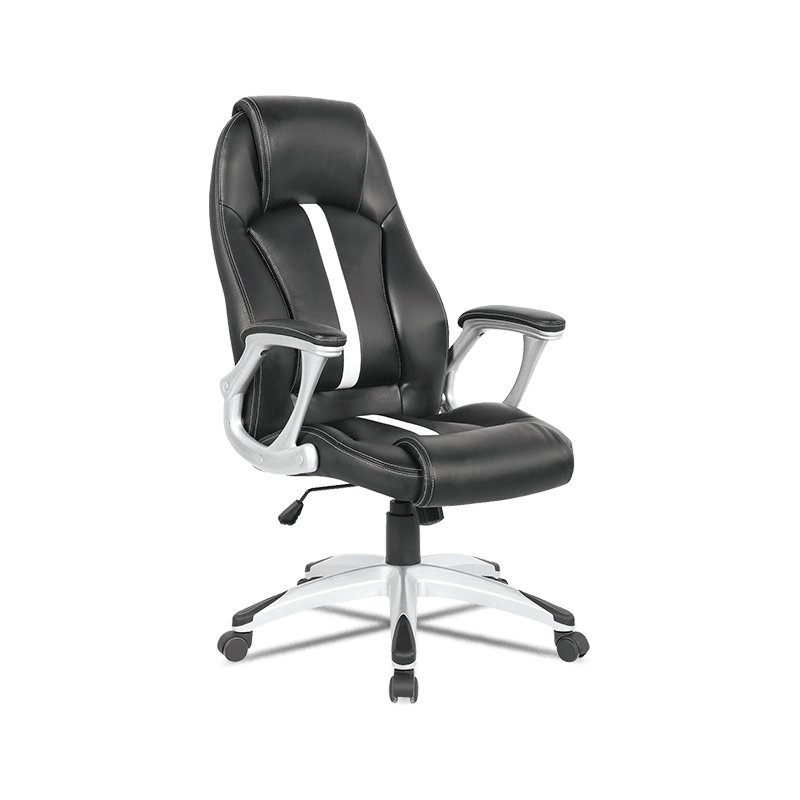 MC-7109 Ergonomic Adjustable High Back Executive Office Chair with Lumbar Support CushionView Product →
The comparison below translates common measurement issues into procurement questions. It is a practical fit check, not a clinical assessment.
One bad chair dimension may be tolerable for a short meeting. In an eight-hour workday, small fit errors compound. The illustrative chart below scores relative fit risk from common setup problems; it is a planning aid, not a clinical measurement.
The practical lesson for buyers is to avoid single-number specifications. “18-inch seat height” means little without seat depth, back angle, and user population. A better purchase brief lists the target ranges, the expected sitting duration, and whether a footrest is included.
Knee pain when sitting is not limited to office desks. In furniture planning, the complaint pattern tends to cluster across four use cases. The pie chart is an illustrative product-planning mix, not market research.
Office and task seating: 38%
Home office and study: 27%
Gaming and long-session use: 20%
Dining, leisure, and mixed use: 15%
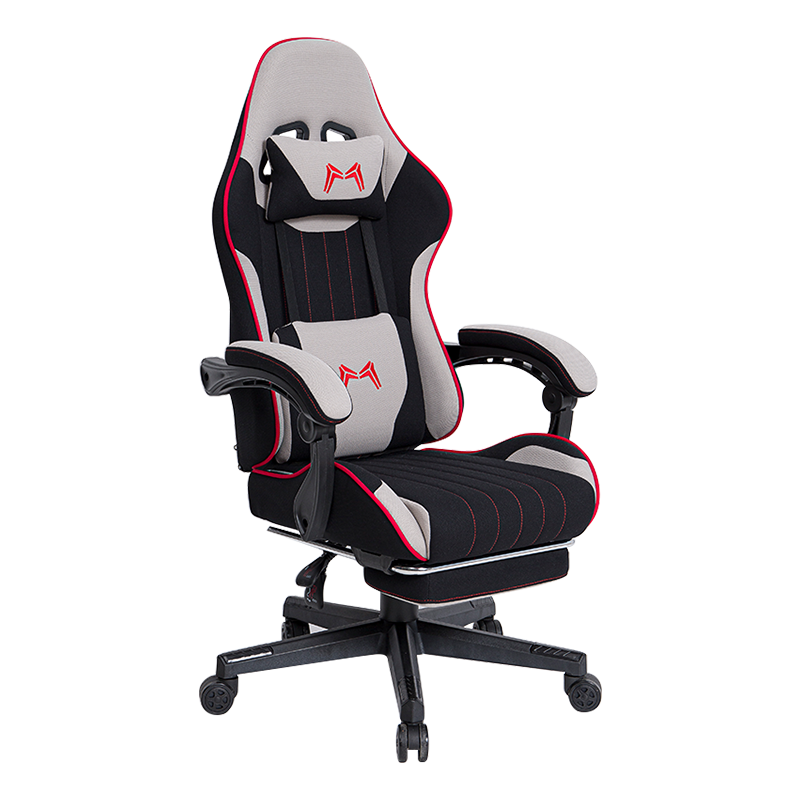
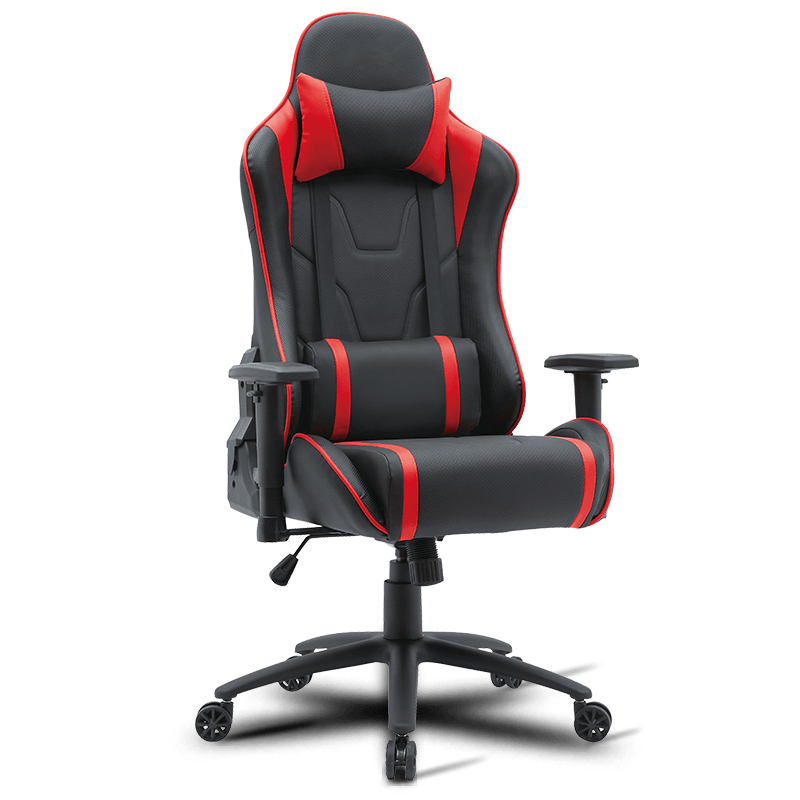
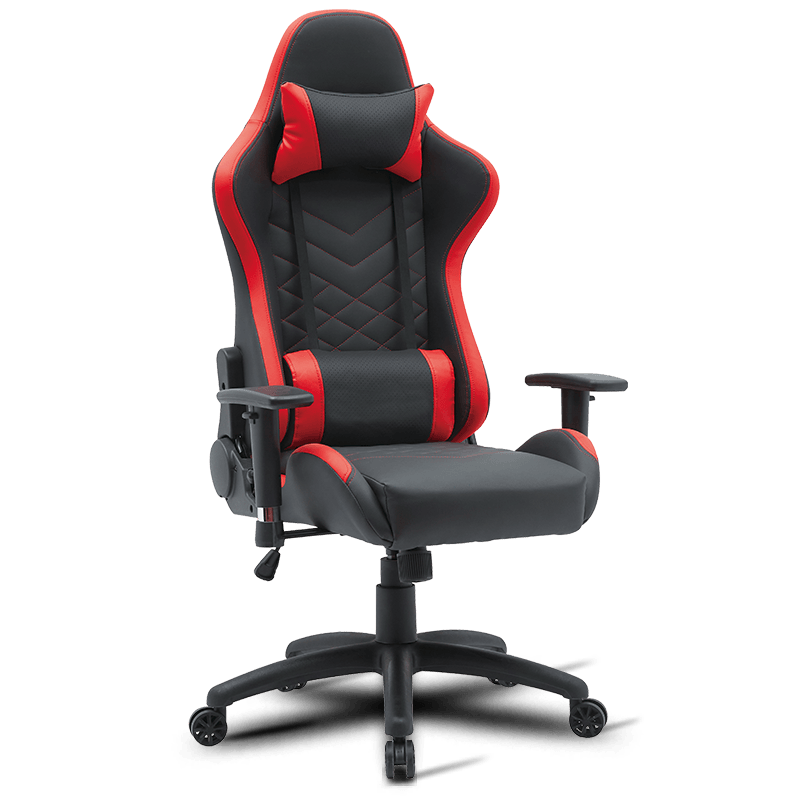
Gaming chairs often add headrests, lumbar cushions, and recline, but those features do not replace a correct seat height. For shared gaming or office use, specify a model with consistent adjustability so users do not improvise with cushions.
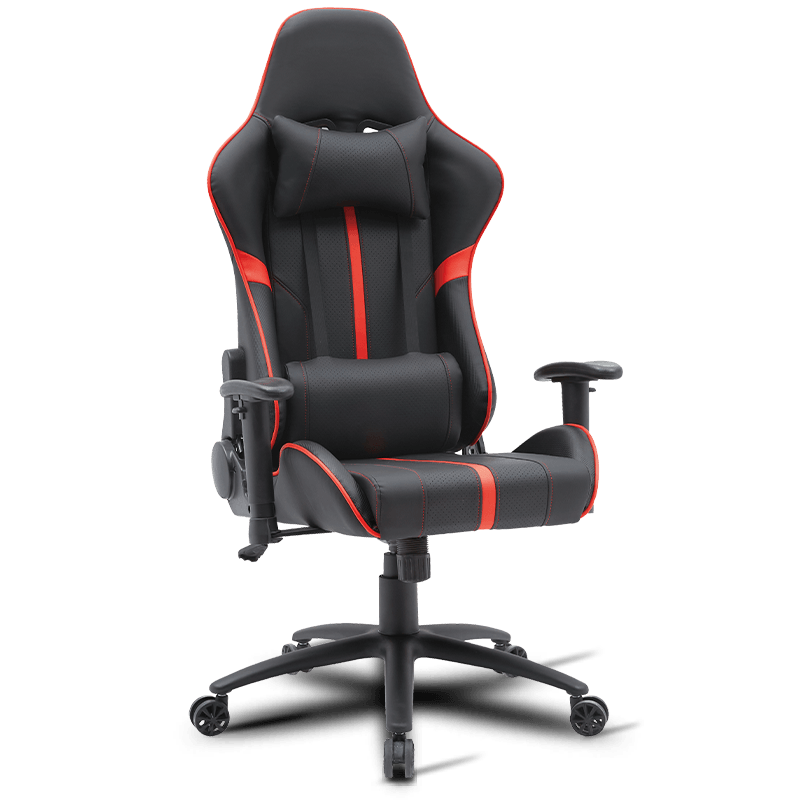 MC-5802 Ergonomic Gaming Chair with Lumbar SupportWholesale/OEM gaming chair with adjustable height, lumbar support, 2D armrests, and 90–135° recline; worth viewing for shared gaming or office use requiring adjustable fit.View Product →
The lowest unit price can be the most expensive choice if it produces returns, complaints, or replacement orders. Use a four-step selection path that connects user fit to total cost of ownership.
Record user height range, desk height, sitting duration, and whether footrests are available.
Require seat-height range, seat depth, adjustable lumbar support, and a stable foot base.
Ask about casters, gas lifts, armrest pads, and replacement parts. A chair that cannot be repaired becomes waste.
Test a small batch in real workstations. Fit problems show up faster in daily use than in a showroom.
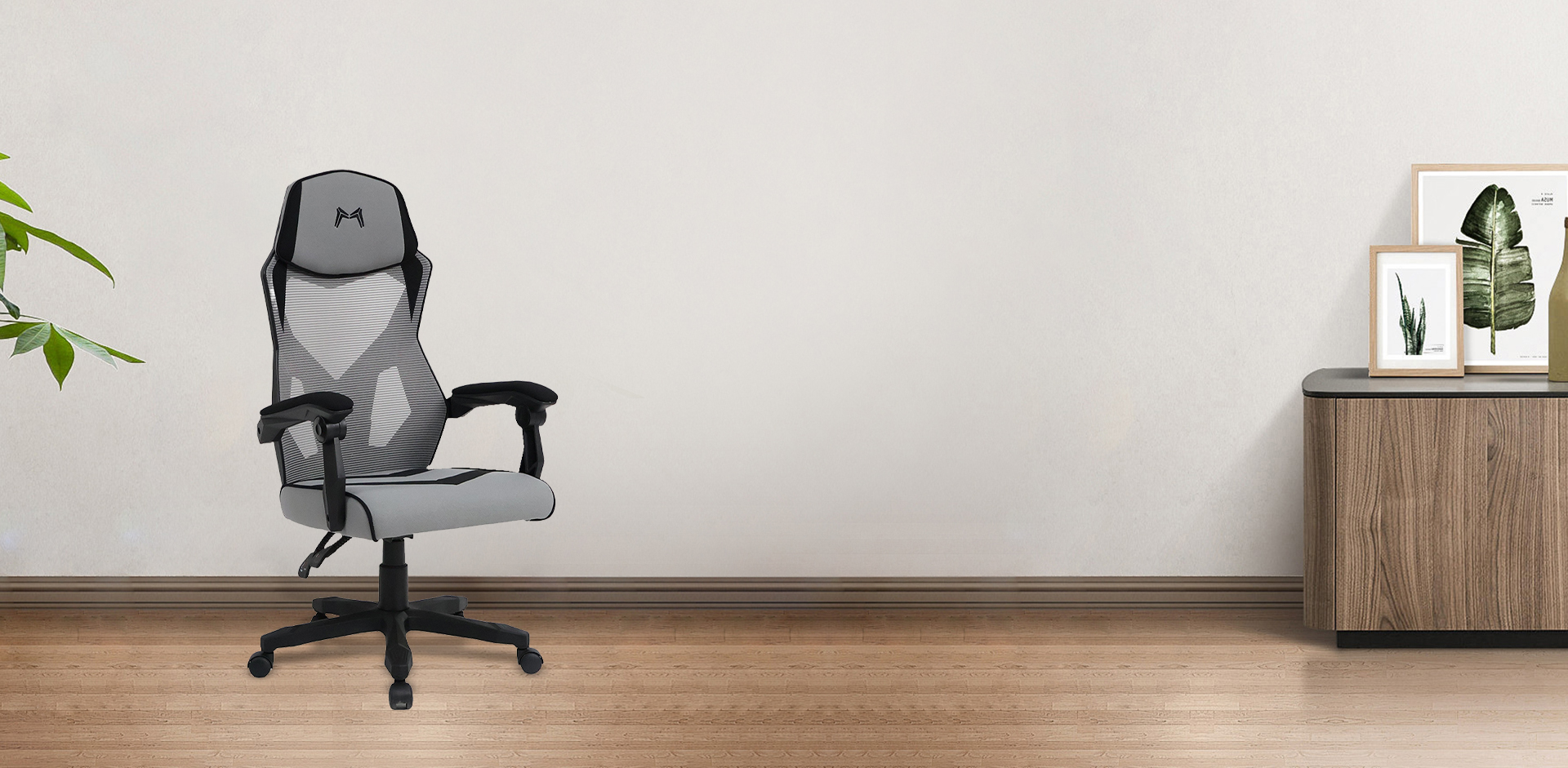
For users who alternate between sitting and perching, ergonomic kneeling chairs can change the load pattern, but they are not a universal fix. The safer procurement strategy is a chair family with predictable adjustability, clear tolerances, and spare-part support. Mesh backs can help with breathability during long sessions, provided the seat pan and height range still fit the user.
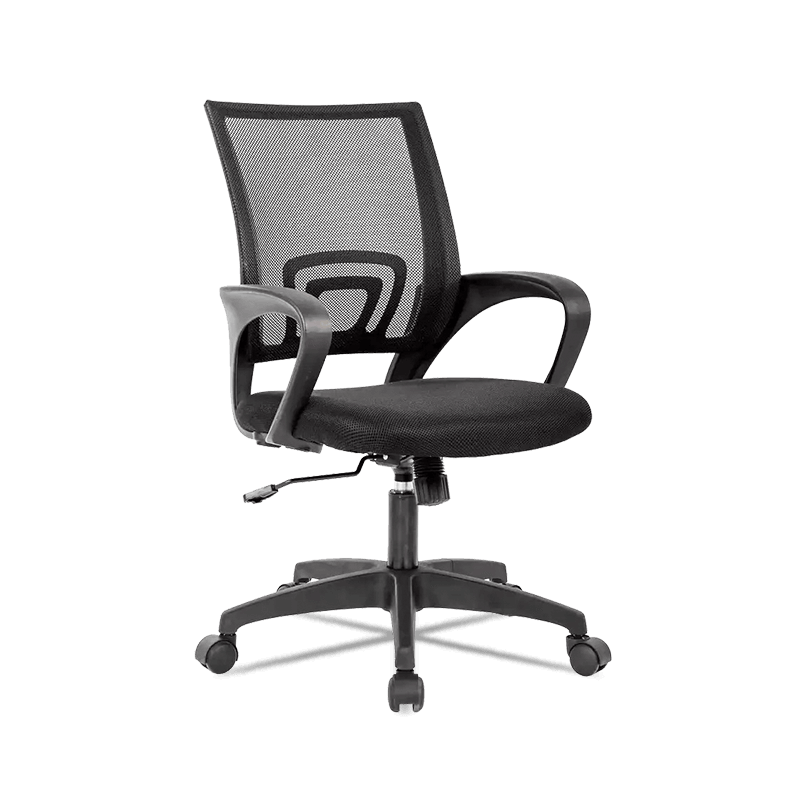 MC-7802 Mid Back Mesh Office Chair with Lumbar SupportMid-back mesh office chair with lumbar support, height lock, and caster swivel; worth viewing for compact home or office work where breathability and adjustment matter.View Product →
A chair that was correct at delivery can drift out of adjustment. Build simple checks into facility maintenance and home routines.
For commercial procurement, ask for applicable test summaries such as BIFMA X5.1 or EN 1335 where relevant, plus warranty terms and spare-part availability. These documents support furniture safety and durability decisions; they do not establish medical suitability. If knee pain persists, worsens at night, or comes with swelling, locking, or instability, seek clinical advice.
Fix the cheap variables first: seat height, foot support, seat depth, and movement breaks. If the chair cannot reach a neutral knee angle, replace or re-specify it before adding more cushions. For buyers, write fit ranges into the purchase brief, pilot a small batch, and favor chairs with serviceable parts and consistent adjustability.
Knee pain when sitting is often a signal about load and posture, not just cushion softness. A chair that keeps the feet grounded, the pelvis stable, and the knee angle close to neutral gives users a better starting point—and gives procurement teams fewer avoidable complaints to manage.
Your email address will not be published. Required fields are marked *
Copyright © Anji Mingchuang Furniture Co., Ltd. All Rights Reserved.
