 {|get_lang_name}
 {|get_lang_name}
Product Consultation
Your email address will not be published. Required fields are marked *


The primary mechanism that makes an executive ergonomic chair effective for long working hours is not the quantity of padding, but the precision of the lumbar curve. A curved backrest engineered to mirror the natural lordotic arch of the human spine actively prevents the pelvis from tilting posteriorly. When the pelvis tilts backward—a position known as sacral sitting—pressure on the intervertebral discs, particularly between the L4, L5, and S1 vertebrae, increases by nearly 40% compared to a neutral standing posture. An ergonomic office chair with a well-calibrated curved backrest fills the void between the lower spine and the seat back, supporting the erector spinae muscles and allowing them to relax without letting the spine collapse into a dangerous C-shape.
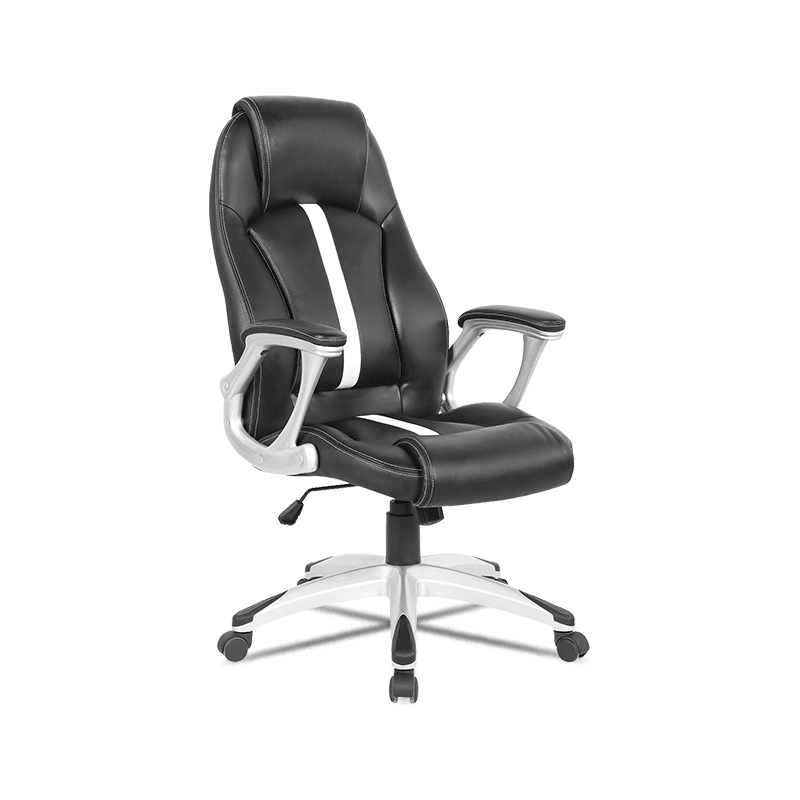
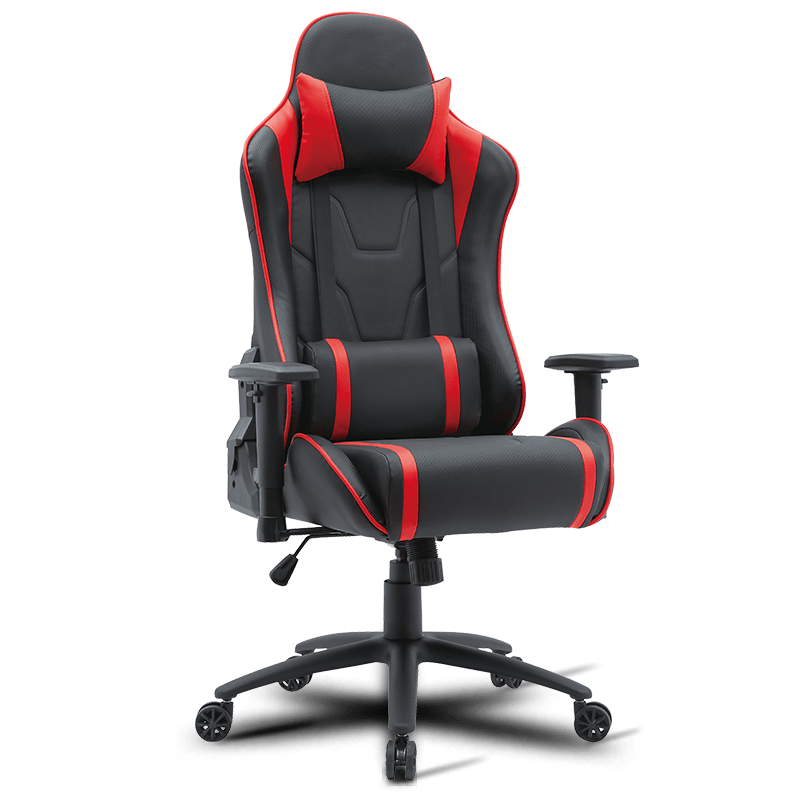
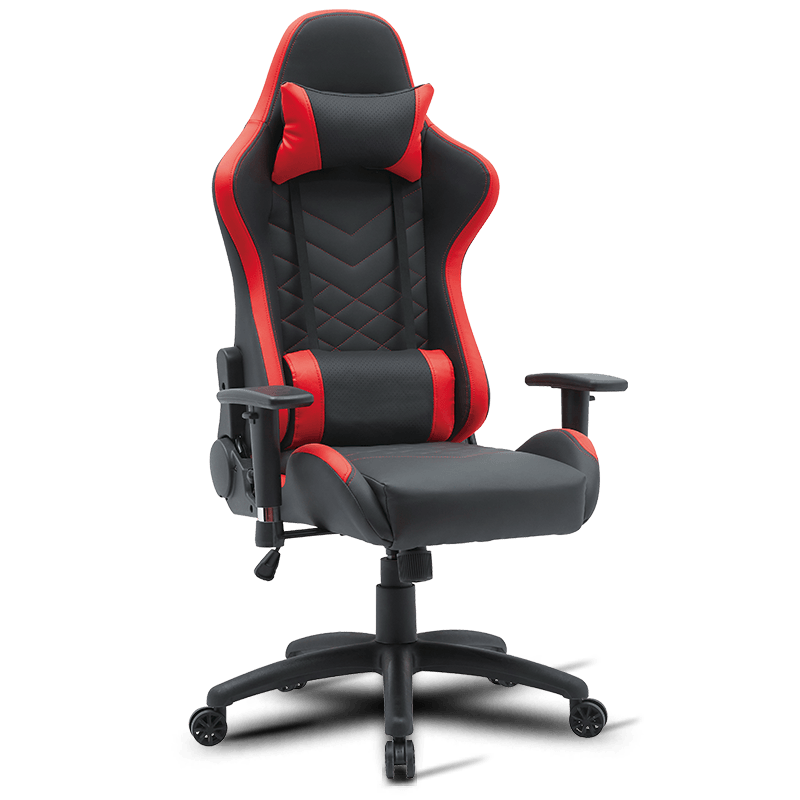
Thick padding plays a secondary but vital role in pressure distribution. High-density molded foam, ideally with a density rating of 50 kg/m³ or higher, prevents the user from bottoming out against the rigid seat pan. When the glutes and hamstrings are properly cushioned, blood circulation to the lower extremities remains unrestricted. This is why an executive office chair with thick padding on both the seat and backrest can eliminate the creeping fatigue that typically forces a worker to stand up and stretch. The elegant design often associated with these chairs is not merely a decorative feature; the high, enveloping backrest and substantial armrests serve as visual and physical boundaries that define a personal workspace within an open-plan office, aiding psychological focus.
Content
A curved backrest on an ergonomic chair is not a monolithic shell; it is a biomechanical interface. The most sophisticated executive models incorporate a dual-curvature design: a primary curve for the lower thoracic region and a deeper, more pronounced protrusion for the lumbar apex. This structure guides the spine into a subtle S-shape, which is its natural shock-absorbing configuration. Without this support, the quadratus lumborum and multifidus muscles are forced into constant static contraction to stabilize the torso, leading to the burn and ache commonly misattributed to long sitting hours.
The angle between the seat pan and the backrest is equally critical. A fixed angle of 95 to 100 degrees is suitable for task-oriented typing, but a chair that reclines synchronously—where the backrest tilts at a ratio of 2:1 relative to the seat—allows for dynamic sitting. This rocking motion gently pumps nutrient-rich fluid into the spinal discs, which lack a direct blood supply and rely on pressure variation for metabolic exchange. An ergonomic chair that locks rigidly upright ignores this physiological reality, whereas a well-designed curved backrest encourages subtle, instinctive micro-movements throughout the eight-hour workday.
The sensation of comfort in an executive office chair is often confused with softness, but the structural integrity of the padding determines long-term durability and support. Thick padding that compresses completely within a few weeks is worse than minimal padding. The chair's cushioning system typically consists of a top comfort layer and a deep support core. The following table breaks down the functional properties of common padding configurations, highlighting why the internal architecture matters as much as the external design.
| Padding Configuration | Foam Density | Primary Benefit |
|---|---|---|
| Single-Layer Standard Foam | 25-30 kg/m³ | Initial softness; high risk of early sagging |
| Molded High-Density Foam | 50-60 kg/m³ | Even weight distribution; retains shape for 5+ years |
| Memory Foam Topper on HD Core | 35-45 kg/m³ (Topper) | Pressure point relief; conforms to individual anatomy |
| Gel-Infused Cold-Cure Foam | 55+ kg/m³ | Thermal neutrality; prevents heat buildup during long hours |
The interplay between the backrest padding and the lumbar curve is where many chairs fail. If the backrest foam is too thick and soft, the user's spine pushes through it, effectively bypassing the ergonomic curve. Conversely, if the foam is too thin over a rigid plastic lumbar support, it creates a concentrated pressure point that dig into the erector muscles, causing localized soreness. The ideal executive chair uses a spring-back mechanism behind the padding, allowing the curved surface to yield slightly under pressure while continuously maintaining contact across the entire lumbar region.
An ergonomic office chair cannot deliver on its promise of eliminating back pain if the user does not calibrate it to their anthropometry. The curved backrest must be positioned vertically so the apex of the curve presses into the small of the back, roughly at belt-line height. A common mistake is setting the lumbar support too low, which encourages a swayback posture, or too high, which pushes the rib cage forward and strains the upper thoracic spine. Once the height is set, the seat depth must allow for two to three fingers' width of space between the front edge of the cushion and the back of the knees. Failure to maintain this gap compresses the popliteal artery and restricts blood flow, leading to the numbing sensation in the feet that many remote workers experience by mid-afternoon.
Armrest height is the final piece of the anti-fatigue puzzle. When the elbows are resting at a 90-degree angle, the shoulders and trapezius muscles can fully disengage. If the armrests are too low, the user will unconsciously elevate their shoulders, locking the upper trapezius in a state of perpetual tension that radiates pain into the neck and can trigger tension headaches. On an executive chair with an elegant, high-back design, the armrests should be padded but firm enough to provide stable support during the typing micro-breaks when the user leans to one side to think or read.
The visual authority of an executive office chair directly influences the user's cognitive performance, a phenomenon known as embodied cognition. A chair with a commanding silhouette, leather or faux-leather upholstery, and polished base plating signals to the brain that the workspace is a place of significance and focus. This is not superficial vanity; research into workplace ergonomics has identified a correlation between a worker's perception of their chair's quality and their self-reported concentration levels. When you do not miss the chair after leaving the office because it has adequately supported you, it has succeeded functionally, but when you actively look forward to sitting in it because it makes the room look complete, it has succeeded psychologically.
The elegant exterior of an ergonomic chair must withstand the friction of repeated entry and exit. Double-stitched seams, particularly along the front waterfall edge of the seat, prevent the upholstery from splitting under shear stress. Bonded leather, while visually elegant, can delaminate at the headrest within 18 months due to natural scalp oils. For a chair that maintains its executive appearance in both an office and a study, top-grain leather or high-grade polyurethane with a reinforced microfiber backing is a more durable choice. This ensures the chair remains a great view rather than becoming an eyesore needing replacement.
An often-overlooked component of the chair's elegance is its mobility. A heavy-duty nylon base with a matte finish can mimic the look of polished aluminum without the associated risk of scratching hardwood or tile floors common in studies. Swivel chairs should be equipped with dual-wheel casters rated for the specific floor surface:
If the chair does not glide effortlessly, the user will twist their spine rather than swiveling the entire unit, undermining all the ergonomic benefits of the curved backrest and leading to rotational strain injuries over time.
Even with a perfectly adjusted executive ergonomic chair, the human body is not designed for complete stasis. The threat of low back pain does not disappear simply because the cushioning is thick; it recedes when the user engages in active sitting. The sequence of fatigue typically progresses predictably: the glutes go numb from static compression, the hamstrings tighten, the pelvis tilts backward, and then the lower back rounds, rendering the curved backrest useless. Interrupting this cycle proactively is more effective than reacting to pain signals.
A practical micro-movement protocol using the chair's recline mechanism can extend comfortable sitting time significantly. The following steps, performed every 45 minutes, leverage the chair's engineering:
By pairing an ergonomic office chair with this conscious engagement routine, the user transforms the chair from a passive tool into an active health instrument, ensuring that even the longest working hours do not culminate in chronic pain or lingering fatigue.
The Modern Living Room Armchair: Design & Comfort Guide
Jul 20,2026Armrests Lumbar Support: Ergonomic Seating Buying Guide for Buyers
Aug 04,2026Your email address will not be published. Required fields are marked *
Copyright © Anji Mingchuang Furniture Co., Ltd. All Rights Reserved.
