 {|get_lang_name}
 {|get_lang_name}
Product Consultation
Your email address will not be published. Required fields are marked *


Content
The right office chair can meaningfully reduce daily pain and fatigue — but only if it matches your body's specific needs. For people managing hip pain, sciatica, or fibromyalgia, or for those who need a chair rated for higher weight capacities, the selection criteria go well beyond aesthetics or basic lumbar support. The chair must address pressure distribution, posture alignment, and long-term structural durability all at once.
Standard office chairs are typically designed for users weighing up to 250 lbs (113 kg) and rarely account for chronic pain conditions. If your needs fall outside that norm, you're not shopping for a chair — you're shopping for a therapeutic and structural tool that happens to look like a chair.
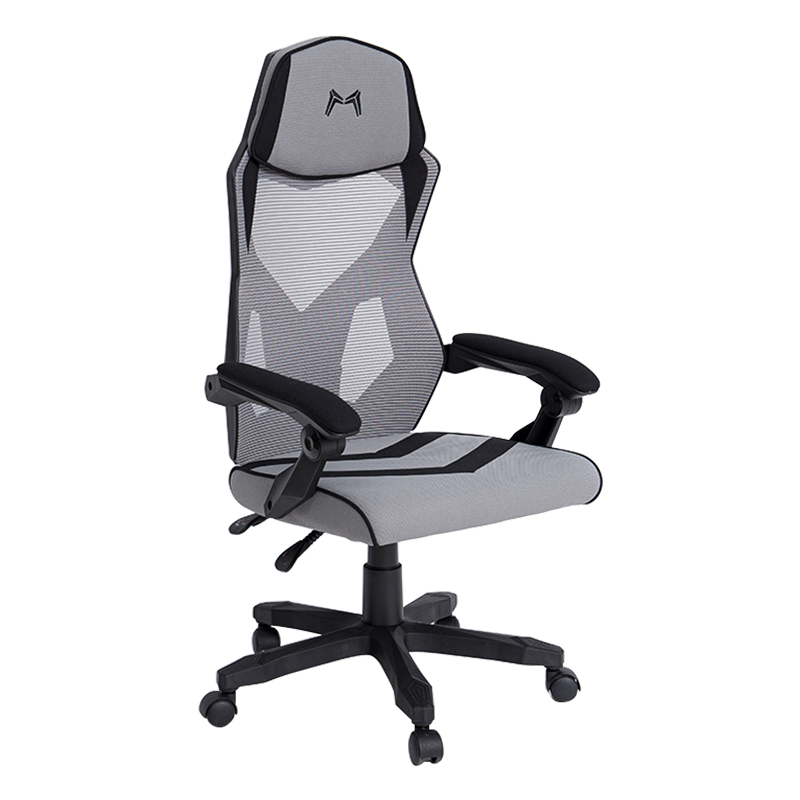
Heavy-duty office chairs are rated anywhere from 300 lbs to 1,000 lbs, and the rating reflects the maximum static load the frame, base, and mechanism can sustain under controlled conditions. In practice, dynamic use — shifting, leaning, and reclining — puts significantly more stress on the structure. For this reason, choosing a chair rated at least 50–100 lbs above your body weight is a sound approach.
Key structural features to verify in high-weight-capacity chairs include:
Seat depth is equally important. A deeper seat (18–21 inches) accommodates larger frames without cutting off circulation at the back of the knees. Look for adjustable seat depth as a non-negotiable feature if you plan to use the chair for more than two hours per day.
| Weight Capacity Range | Typical Frame Material | Recommended Seat Width | Common Use Case |
|---|---|---|---|
| Up to 250 lbs | Aluminum / plastic composite | 17–19 inches | Standard office use |
| 250–400 lbs | Steel-reinforced frame | 20–22 inches | Bariatric / big & tall use |
| 400–1,000 lbs | Full steel frame & base | 22–26 inches | Heavy-duty bariatric seating |
Hip pain during seated work most commonly stems from one of three causes: excessive pressure on the hip joints from a seat that is too firm or too narrow, poor alignment between the pelvis and lumbar spine, or a seat height that forces the hips into an internally rotated or overly flexed position. The goal of a chair for hip pain is to maintain the hip joint at or slightly above a 90-degree angle while distributing body weight evenly across the entire seat surface.
Features that specifically benefit hip pain sufferers:
People with chronic hip pain, particularly those recovering from hip replacement surgery or managing hip bursitis or osteoarthritis, should also look for chairs with a seat height range that allows their feet to rest flat on the floor with no downward pressure at the thigh.
Sciatica — pain that travels along the sciatic nerve from the lower back through the buttocks and down one or both legs — is frequently aggravated by prolonged sitting. The sciatic nerve passes directly beneath the piriformis muscle in the buttock, and chairs that concentrate pressure on this area compress the nerve and intensify symptoms. Poor lumbar support compounds the problem by causing the pelvis to posteriorly tilt, which further stretches and irritates the nerve.
The most effective chairs for sciatica combine several specific ergonomic properties:
Clinical guidance from physical therapists consistently points to the benefit of taking a standing or walking break every 30–45 minutes for those with sciatica, regardless of chair quality. The best chair for sciatica is one that minimizes nerve irritation during seated periods — it cannot replace movement entirely.
Fibromyalgia presents a unique seating challenge because pain is widespread, pressure sensitivity (allodynia) is common, and fatigue compounds discomfort rapidly. No single chair feature resolves fibromyalgia pain, but the right combination of adjustability, cushioning, and support can significantly reduce symptom flare-ups during work hours.
Standard high-density foam can feel uncomfortably firm for people with fibromyalgia. Memory foam seat pads, gel-infused cushions, or chairs using layered foam systems (soft top layer, firmer supportive base) distribute weight more gently across sensitive tissue. Avoid chairs with pronounced seams or hard internal frame elements close to the seat surface.
Fibromyalgia pain patterns shift throughout the day. A chair that felt tolerable at 9 AM may become unbearable by noon if it can't be repositioned. Look for chairs offering:
Many people with fibromyalgia are highly sensitive to temperature changes. Mesh backrests and breathable seat fabrics help prevent heat accumulation during extended sitting. Conversely, in cold office environments, a fabric or upholstered chair may provide more comfort than an all-mesh design. Ideally, a chair with a mesh back and padded seat splits the difference effectively.
Morning stiffness and generalized fatigue make getting in and out of a low or deep chair difficult. Chairs with a higher seat height range (18–22 inches), firmer seat edge, and stable armrests for push-up support reduce the physical exertion required to transition to standing — an important factor for people managing fibromyalgia throughout a full workday.
For those managing chronic conditions or requiring heavy-duty seating, the purchasing process warrants more scrutiny than a standard office chair purchase. Before committing, verify the following:
Best Office Chair for Women: Ergonomic Buying Guide
Mar 16,2026Accent Chair & Living Room Armchair Guide
Apr 02,2026Your email address will not be published. Required fields are marked *
Copyright © Anji Mingchuang Furniture Co., Ltd. All Rights Reserved.
