 {|get_lang_name}
 {|get_lang_name}
Product Consultation
Your email address will not be published. Required fields are marked *


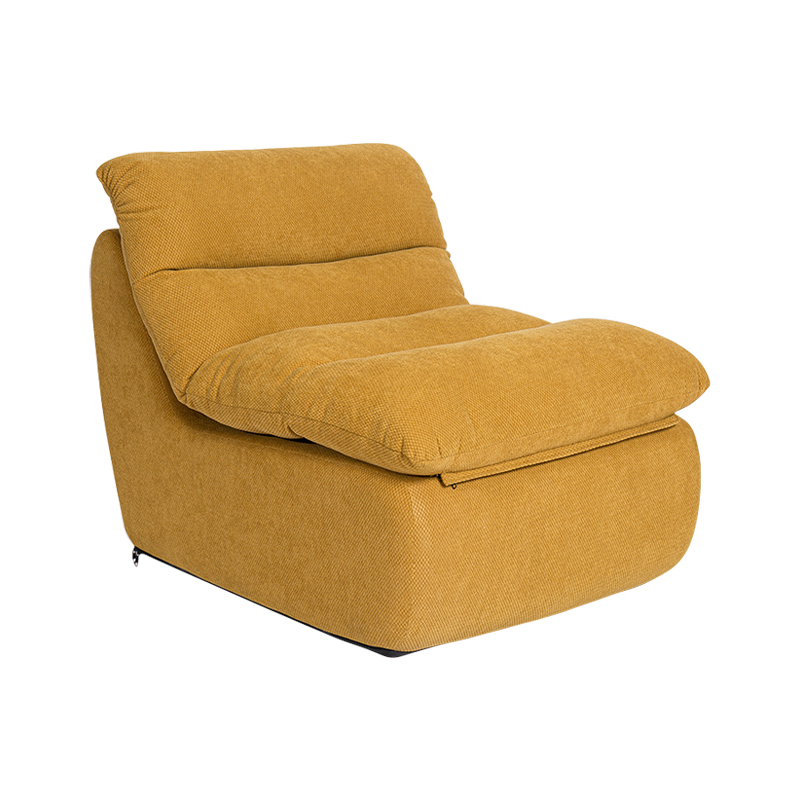
There is something quietly powerful about a well-chosen chair. Not a sofa, not a sectional — just one singular, beautifully designed seat that anchors an entire room. Whether it arrives as a compressed sofa shipped flat and ready to expand, or as a handcrafted accent piece upholstered in your fabric of choice, the right armchair carries an effortless, nonchalant kind of confidence. It says something about the space it inhabits without shouting. This guide is about finding that chair — the one that works equally well as a living room armchair, a reading retreat, or a quiet corner piece in the bedroom — and understanding exactly how to choose it, place it, and style it for maximum impact.
Content
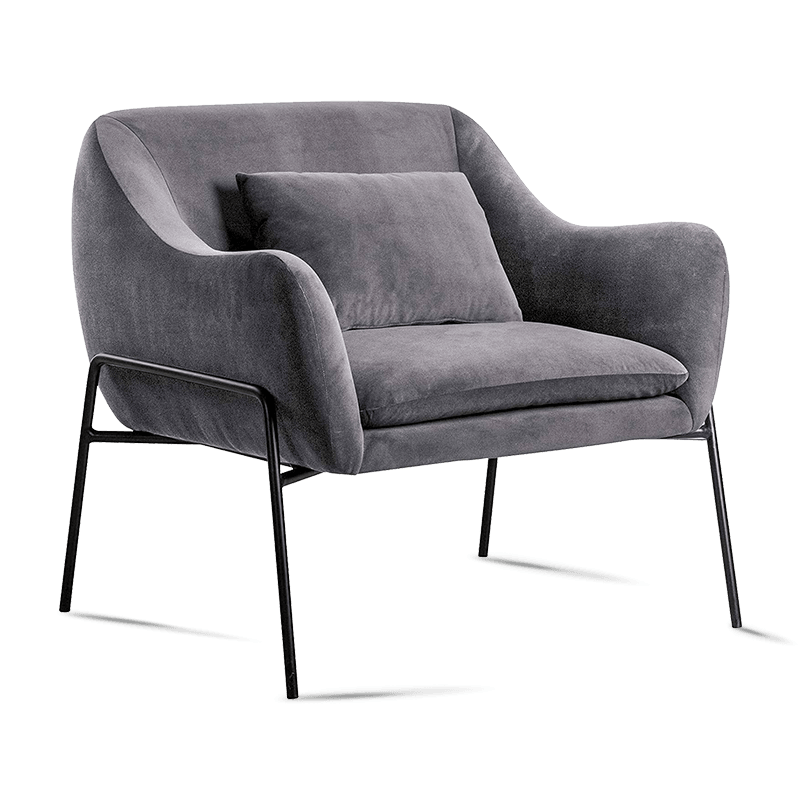
An accent chair — sometimes called a lounge chair — is defined less by its dimensions and more by its intent. Unlike a standard dining chair or a purely functional office seat, the accent chair is designed to do two things simultaneously: provide genuine comfort and make a visual statement. The best examples feel like they belong in the room while also standing slightly apart from it, drawing the eye without disrupting the overall composition.
The mid-century-inspired frame has become the dominant silhouette in this category, and for good reason. Its tapered legs, clean geometric lines, and low-slung profile translate effortlessly across a wide range of interior styles. Placed next to a contemporary sofa, it adds warmth and historical reference. Positioned in a more traditional space, those same clean lines introduce a refreshing restraint. This is the versatility that makes the accent armchair such a reliable design investment — it rarely clashes and almost always elevates.
The cushioning philosophy matters just as much as the frame. The best accent chairs strike a precise balance: soft enough to invite you in for an extended reading session, but firm enough to maintain their shape after years of use. Look for high-density foam cores wrapped in a softer top layer — this construction gives you the sink-in comfort of a cushion with the lasting structure of a proper seat.
A compressed sofa — delivered vacuum-packed and rolled into a compact box — has moved from novelty to mainstream over the past several years, and the reasons are straightforward. Urban apartments, narrow stairwells, and single-person deliveries have all made the traditional bulky furniture delivery model impractical for a large segment of buyers. Compression technology solves this problem without compromising the final product.
When a compressed sofa or chair is unboxed and allowed to expand — a process that typically takes between two and eight hours — the foam and fiber fill return to their full intended shape. Modern compression techniques have advanced to the point where well-made compressed pieces are indistinguishable from traditionally delivered furniture once fully expanded. The key is to allow adequate expansion time before sitting and to store the piece in a room-temperature environment during unpacking.
For buyers furnishing a living room armchair or a bedroom accent seat, the compressed format also offers significant practical advantages beyond delivery:
The armchair for living room settings carries a dual responsibility: it must function as comfortable additional seating for guests while also holding its own as a design element in a space that already has a sofa as its visual anchor. Getting this balance right requires thinking about three things — proportion, placement, and upholstery.
A oversized barrel chair will overwhelm a compact urban living room; a delicate slipper chair will look lost in a large, high-ceilinged space. As a general rule, the seat height of your armchair should be within 2–4 inches of your sofa's seat height so that conversation feels natural between people seated in both pieces. The chair's overall width should complement — not compete with — your sofa's length. In most living rooms, an armchair in the 28–32 inch width range hits a comfortable middle ground.
Placement determines whether your living room armchair reads as intentional or afterthought. The most effective positions are typically at a 30–45 degree angle to the sofa, creating a conversational grouping around a coffee table or rug. Avoid pushing the chair flat against a wall — this isolates it visually and makes the seating arrangement feel stiff. If you have a fireplace or a focal window, angling the chair toward that feature creates a natural anchor point that makes the whole arrangement feel considered.
Because the accent chair typically covers less surface area than a sofa, it is the ideal piece on which to take a risk with color, pattern, or texture. A neutral sofa paired with a deep emerald velvet armchair creates visual tension in the best possible sense. A bouclé weave in an off-white or warm sand tone adds tactile richness without adding visual noise. Printed fabrics — geometric, floral, or abstract — are easier to pull off on a single chair than across an entire sofa, making the armchair the natural place to introduce a pattern into a room that is otherwise playing it safe.
An armchair for bedroom use operates differently from its living room counterpart. Here, the goal is rarely about hosting guests or anchoring a social seating group. Instead, the bedroom armchair serves one of three more intimate purposes: a reading chair, a dressing seat, or simply a place to deposit clothes that aren't quite ready for the laundry. All three are valid, and a well-chosen chair can serve all of them at once.
Scale matters even more in the bedroom than in the living room. The bedroom is typically the smallest furnished room in a home, and a chair that is even slightly oversized will make the space feel cluttered and difficult to move through. Aim for a chair with a footprint no larger than 28 × 28 inches for most bedroom applications. The mid-century frame — with its open leg structure — helps here too, as the visible floor underneath the chair creates a sense of visual lightness that a skirted or upholstered-to-the-floor design would eliminate.
For placement in a bedroom, three spots consistently work well:
Because the same chair model can serve both rooms, it helps to compare what each environment actually demands from the piece before making a final decision:
| Consideration | Armchair for Living Room | Armchair for Bedroom |
| Ideal Size | 28–32 inches wide | 24–28 inches wide |
| Primary Function | Guest seating + design anchor | Reading / dressing / accent |
| Upholstery Priority | Durability + style statement | Softness + colour harmony |
| Best Placement | Angled toward sofa grouping | Corner or beside window |
| Frame Style | Mid-century, barrel, or wing | Mid-century or slipper |
| Compressed Delivery | Highly recommended | Highly recommended |
The ability to choose your own upholstery is one of the most significant advantages a made-to-order or customizable accent chair offers over off-the-shelf alternatives. Rather than settling for whatever colorway happens to be in stock, you can match the chair precisely to your existing palette or use it as a deliberate contrast point. Here's a practical reference for the most common upholstery choices and where each performs best:
Whichever fabric you choose, request a physical swatch before committing. Digital swatches and screen representations of color and texture are useful reference points, but the tactile quality of upholstery — how it catches light, how it feels underhand, how it reads against your actual flooring and wall color — can only be fully evaluated in person. A single well-placed living room armchair or a softly upholstered armchair for bedroom corners is one of the simplest and most effective ways to transform a room, and getting the fabric right is what makes the difference between a piece that looks placed and one that looks like it has always belonged exactly where it sits.
What Makes an Executive Office Chair Actually Good for Your Back?
Apr 10,2026Executive Office Chair: Ergonomic Buyer's Guide
Apr 23,2026Your email address will not be published. Required fields are marked *

Copyright © Anji Mingchuang Furniture Co., Ltd. All Rights Reserved.
