 {|get_lang_name}
 {|get_lang_name}
Product Consultation
Your email address will not be published. Required fields are marked *


Content
Comfort is one of the most important considerations when selecting a mesh office chair, especially for users who remain seated for extended periods. Mesh seating surfaces are designed to distribute body weight evenly, reducing pressure on the hips and thighs while allowing continuous airflow. This breathable structure helps maintain a stable sitting temperature during long work sessions.
Seat depth, seat width, and the elasticity of the mesh material all influence comfort levels. A properly sized seat supports natural leg positioning without compressing the back of the knees, helping users maintain a relaxed posture throughout the workday.
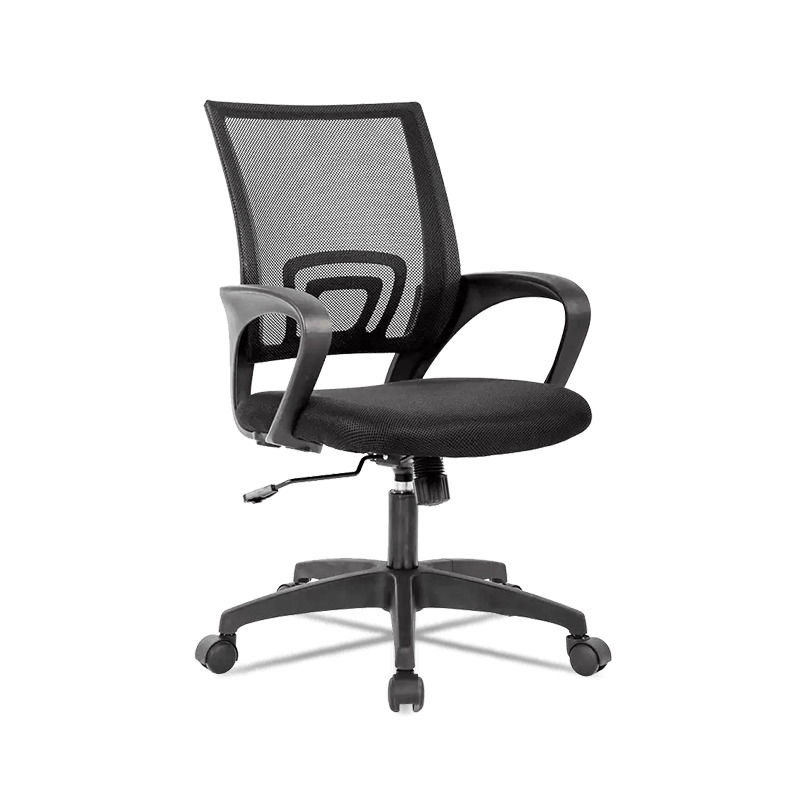
Effective back support is essential for reducing fatigue and supporting healthy posture. Mesh office chairs are commonly designed with a contoured backrest that follows the natural curve of the spine. This structure helps support the lumbar region and encourages upright sitting without excessive stiffness.
Many mesh office chairs include built-in or adjustable lumbar support. Adjustable lumbar elements allow users to fine-tune support height and pressure, which is particularly important for accommodating different body types and seating preferences.
Chair back height affects how much of the upper body is supported. High-back mesh office chairs provide extended support for the shoulders and neck, while mid-back models focus on the lower and middle spine, making them suitable for task-oriented work environments.
Adjustability allows a mesh office chair to adapt to individual users rather than forcing users to adapt to the chair. Key adjustable features support posture changes throughout the day, reducing muscle tension caused by static seating positions.
A chair with multiple adjustment points supports dynamic sitting, allowing users to change posture without losing back support or balance.
Not all mesh materials perform the same. High-quality mesh offers balanced tension that supports body weight without excessive sagging over time. Tension control affects both comfort and long-term durability, particularly in high-use office environments.
Mesh density also influences support and airflow. Denser mesh structures provide firmer support, while more flexible mesh improves breathability. Selecting the appropriate balance depends on daily sitting duration and user preference.
| Feature | Basic Mesh Chair | Ergonomic Mesh Chair |
| Lumbar Support | Fixed support | Adjustable support |
| Armrests | Limited adjustment | Multi-directional adjustment |
| Recline Function | Basic tilt | Multi-angle recline |
Different work settings place different demands on seating. Home offices may prioritize comfort and aesthetics, while corporate environments focus on durability and adjustability across multiple users. Mesh office chairs offer flexibility across both settings when selected with appropriate features.
For shared workspaces, chairs with intuitive adjustment controls and durable mesh materials support consistent performance across users. For personal offices, enhanced ergonomic features allow users to fine-tune comfort for daily productivity.
A mesh office chair is a long-term investment in daily comfort and work efficiency. Evaluating build quality, adjustment mechanisms, and mesh durability helps ensure reliable performance over extended use. Chairs that maintain consistent support over time contribute to better sitting habits and reduced fatigue.
By focusing on comfort, support, and adjustability, buyers can select mesh office chairs that align with both immediate needs and long-term workplace demands.
Budget vs Premium Gaming Chairs: What You Really Need
Jan 04,2026What Is a Mesh Office Chair and Why It’s Popular
Jan 13,2026Your email address will not be published. Required fields are marked *
Copyright © Anji Mingchuang Furniture Co., Ltd. All Rights Reserved.
