 {|get_lang_name}
 {|get_lang_name}
Product Consultation
Your email address will not be published. Required fields are marked *


Content
The material covering a gaming chair does more than determine how the chair looks — it directly affects thermal comfort, surface durability, ease of cleaning, and the long-term appearance of the piece. Ergonomic faux leather has displaced both genuine leather and mesh fabric as the dominant upholstery choice in the mid-to-premium gaming chair segment for a specific set of reasons that hold up under practical scrutiny rather than marketing language.
Modern faux leather used in quality gaming chairs is manufactured from a polyurethane (PU) base coating applied over a woven or non-woven fabric substrate. The PU layer is formulated to replicate the grain texture, surface compliance, and visual depth of genuine leather, while the textile backing provides dimensional stability that prevents the cover from stretching or distorting under the sustained contact pressure of seated use. High-specification ergonomic faux leather achieves a surface breathability rating that allows moisture vapor to pass through the material at a controlled rate — addressing the primary complaint against vinyl and early PVC-based synthetic leathers, which trapped heat and caused discomfort during sessions longer than 60 to 90 minutes.
The practical maintenance advantage of faux leather over genuine leather is significant for gaming environments. Genuine leather requires periodic conditioning with oils or creams to prevent drying and cracking, and it is permanently damaged by spilled liquids if not treated immediately. Faux leather requires only a damp cloth wipe for routine cleaning, resists most common beverage spills without staining, and does not require conditioning treatments. Over a three-to-five-year ownership period, the total care effort for a faux leather gaming chair is a fraction of what equivalent genuine leather demands.
The retractable footrest included on many ergonomic gaming chairs is frequently described as a luxury feature or an optional extra, but this characterization misrepresents its functional purpose. A footrest is an active ergonomic component that enables a seated posture that genuine human body engineering research identifies as significantly less stressful on the lumbar spine and posterior thigh musculature than standard 90-degree seated posture.
When a seated user extends the footrest and reclines the seat back to approximately 130 to 145 degrees, the resulting posture distributes spinal compression across a larger area of the intervertebral discs, reduces the posterior pelvic tilt that compresses lumbar discs in upright seated posture, and allows the hip flexor muscles to partially relax rather than maintaining sustained isometric contraction. This reclined-with-footrest position is clinically supported as a lower-stress alternative to upright sitting for rest periods during long gaming or work sessions — not as a primary working posture, but as a recovery position that allows the musculoskeletal system to decompress periodically.
Not all footrests in the gaming chair category are engineered to the same standard. The following parameters differentiate a well-designed footrest from a decorative one:
The mainstream gaming chair aesthetic — aggressive angular bolstering, high-contrast color blocking, racing-seat-inspired side wings — serves a specific market segment but sits uncomfortably in home environments designed around more restrained visual principles. The classic design gaming chair represents a product philosophy that applies the same ergonomic engineering principles as performance gaming chairs while presenting them through a visual language compatible with adult home interiors, professional home office settings, and spaces where the chair is a permanent piece of furniture rather than dedicated gaming equipment.
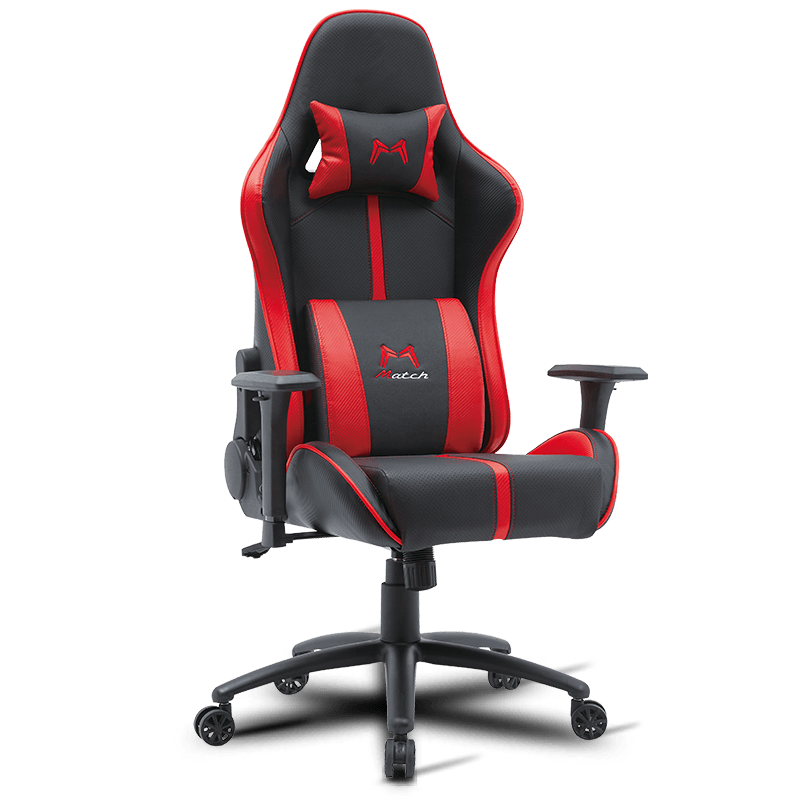
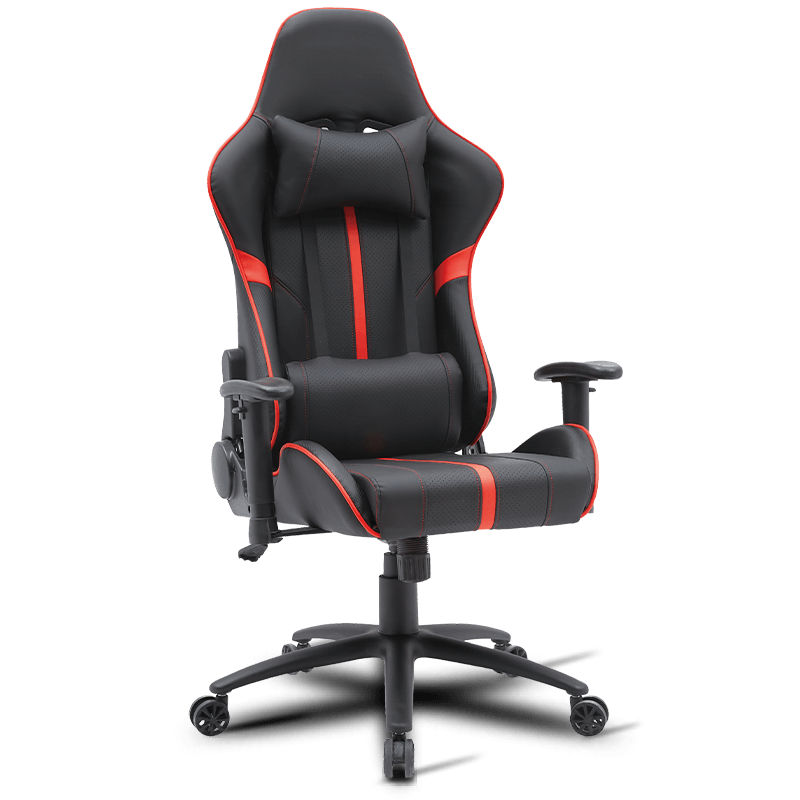
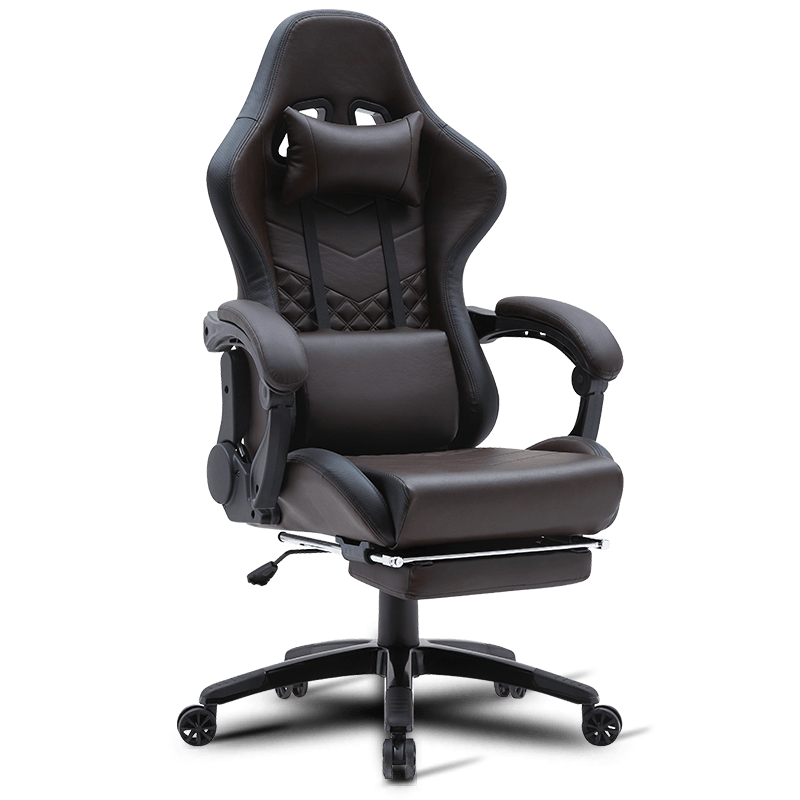
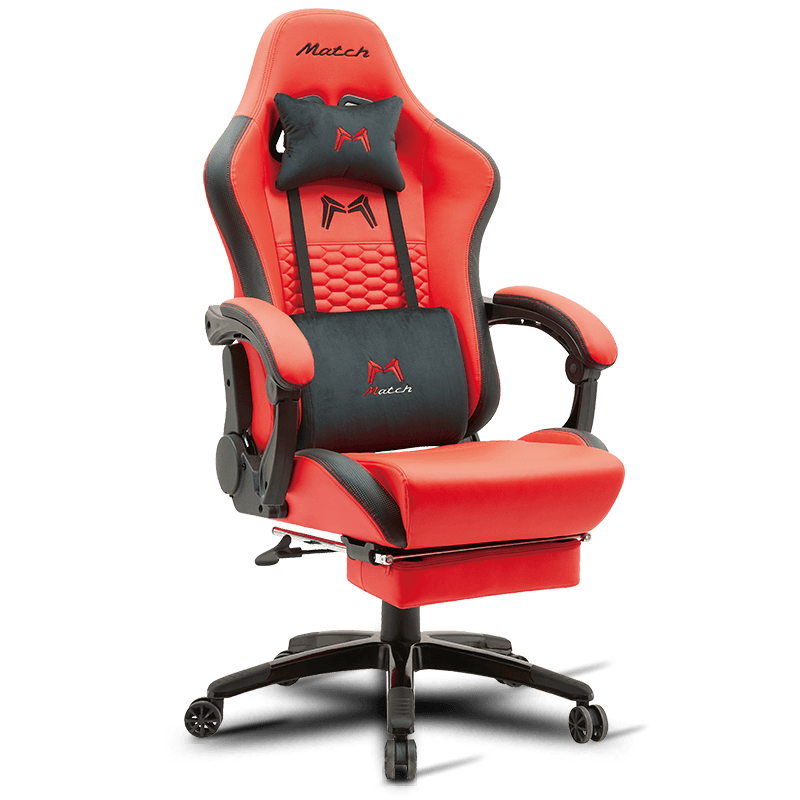
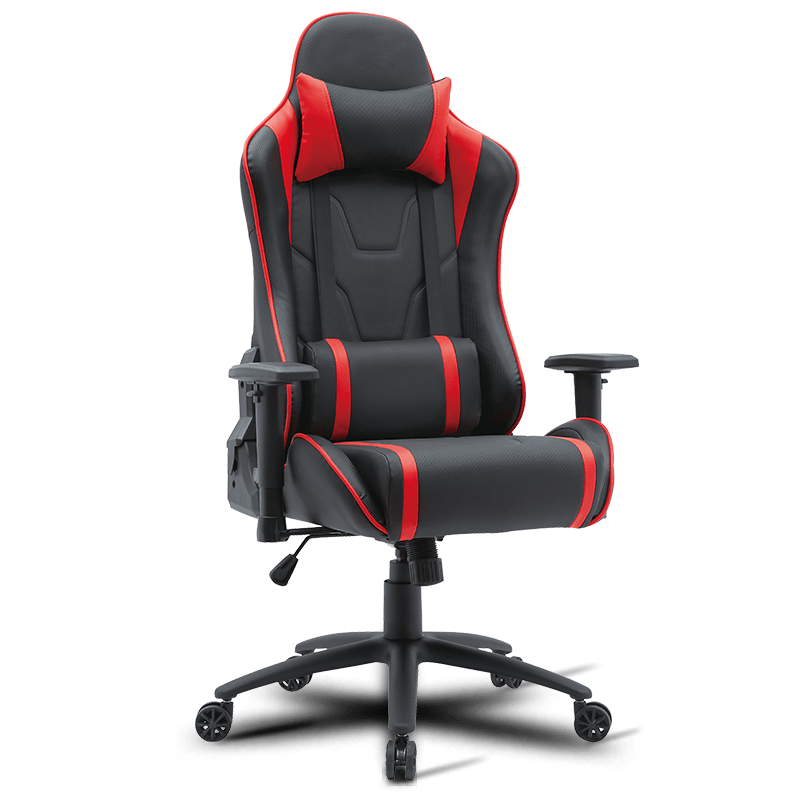
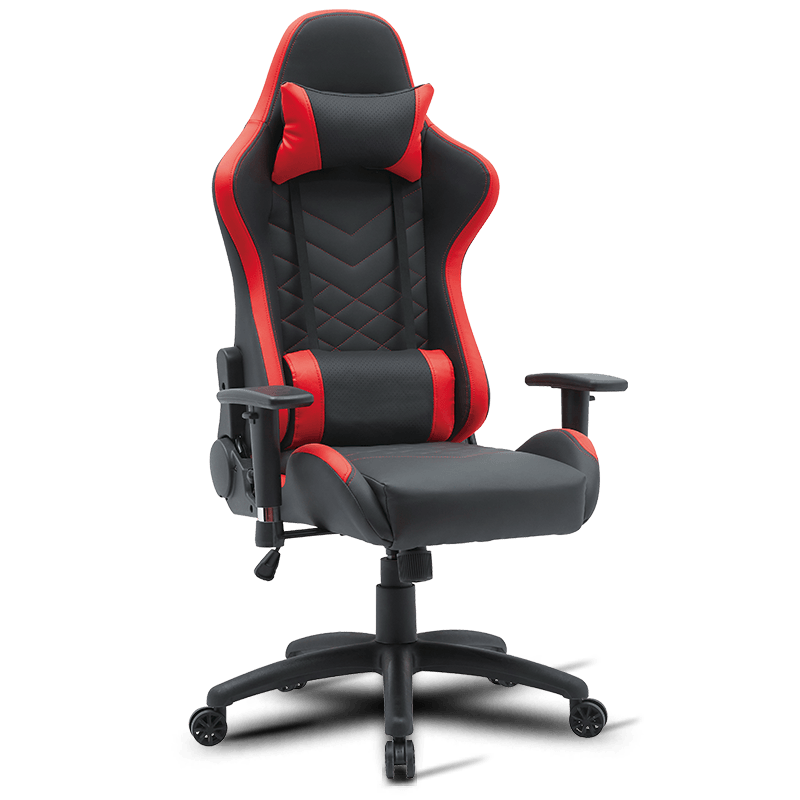
A classic design gaming chair typically retains the functional architecture of the gaming chair category — high backrest with integrated headrest support, pronounced lumbar region contouring, wide armrests with multi-axis adjustment, recline mechanism with locking positions, and the retractable footrest — while presenting these elements in softer profile lines, reduced side bolstering that does not create a visually enclosed form, and colorways drawn from residential furniture palettes rather than motorsport graphic design. The result is a chair that performs identically to its more visually assertive counterparts while remaining appropriate for a wider range of living environments.
Companies like Anji Mingchuang Furniture Co., Ltd. approach the classic design gaming chair from a furniture culture research perspective rather than a gaming peripheral perspective — meaning the proportions, material selections, and construction methods are evaluated against the standards of durable residential furniture, not consumer electronics accessories. This distinction manifests in details such as the quality of the base casting, the smoothness of the recline mechanism, the density and durability of the foam padding, and the stitching quality of the faux leather upholstery — all of which determine whether the chair remains functional and presentable after three to five years of daily use.
Evaluating a gaming chair beyond its surface appearance requires examining the structural and ergonomic specifications that determine real-world performance. The following table summarizes the key parameters across quality tiers:
| Specification | Entry Level | Mid-Range | Premium |
|---|---|---|---|
| Frame material | Formed steel tube | Heavy-gauge steel frame | Reinforced steel + alloy components |
| Foam density | 30–35 kg/m³ | 40–50 kg/m³ | 50–60 kg/m³ high-resilience |
| Recline range | 90–135° | 90–150° | 90–165° with locking positions |
| Armrest adjustment | Height only (1D) | Height + width (2D–3D) | Height, width, depth, angle (4D) |
| Footrest included | No | Some models | Standard feature |
| Faux leather grade | Standard PVC/thin PU | Breathable PU ergonomic faux leather | Premium perforated PU, high abrasion rating |
| Weight capacity | 100–120 kg | 120–150 kg | 150–200 kg |
Foam density is one of the most consequential and least-discussed specifications in the gaming chair category. A seat cushion foamed at 30 kg/m³ will compress by 30 to 40% under a 75 kg user within the first six months of daily use, producing a noticeably flatter, firmer seat surface that concentrates pressure on the ischial tuberosities rather than distributing it across the full seating surface. A seat foamed at 50 kg/m³ with a high-resilience formulation maintains its original thickness and pressure distribution profile for three to five years under the same conditions. This difference is not visible on the product page — it becomes apparent only after extended use — which is why sourcing from manufacturers with documented foam specifications and quality control processes is important for buyers making long-term purchase decisions.
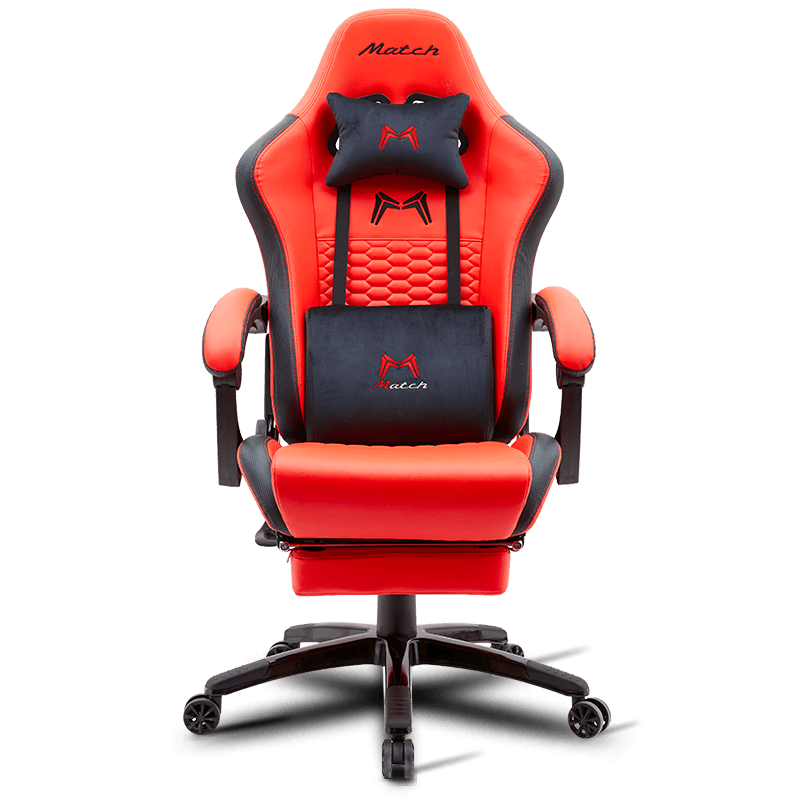
Gaming chairs are commonly criticized for providing lumbar support through detachable cushions strapped to the backrest rather than through the backrest form itself. This criticism is ergonomically valid: a strap-on lumbar pillow applies pressure at a fixed height regardless of the user's sitting height, lumbar curve depth, or preferred sitting position. A backrest contoured through foam molding and frame geometry to provide lumbar support at the correct anatomical location — typically 15 to 22 cm above the seat surface at the L4-L5 vertebral level — provides support that adapts to the user's posture rather than imposing a fixed pressure point.
Quality classic design gaming chairs from ergonomic furniture manufacturers address this by designing the backrest profile as an integrated ergonomic element. The lumbar region of the backrest is molded with a forward projection that matches the average lumbar lordosis curve, while the upper backrest curves slightly rearward to accommodate thoracic kyphosis. The headrest — either integrated into the top of the backrest or provided as an adjustable attached unit — is positioned to support the cervical spine at neutral posture when the user is reclined at 100 to 110 degrees, the angle most commonly associated with sustained work or gaming sessions.
The combination of an ergonomically profiled backrest, properly positioned headrest support, multi-axis adjustable armrests, and a functional footrest for periodic reclined rest creates a seating system that addresses the full postural cycle of a long gaming or work session — not just the upright working phase. When this ergonomic architecture is presented in ergonomic faux leather with a classic design gaming chair aesthetic, the result is a piece of furniture that functions at the level of purpose-built ergonomic seating while remaining visually appropriate for the home environments where most users will place it.
Ergonomic Mesh Office Chair Buying Guide
May 08,2026Adjustable Height Office Chair: Ergonomic Guide for Every Body Type
May 21,2026Your email address will not be published. Required fields are marked *
Copyright © Anji Mingchuang Furniture Co., Ltd. All Rights Reserved.
