 English
 Español
High quality & environmentally-friendly material
We Are Manufacturer And Can Offer Competitive Price And Excellent Quality.
About Us >
We Are Manufacturer And Can Offer Competitive Price And Excellent Quality.
About Us >
We Are Manufacturer And Can Offer Competitive Price And Excellent Quality.
About Us >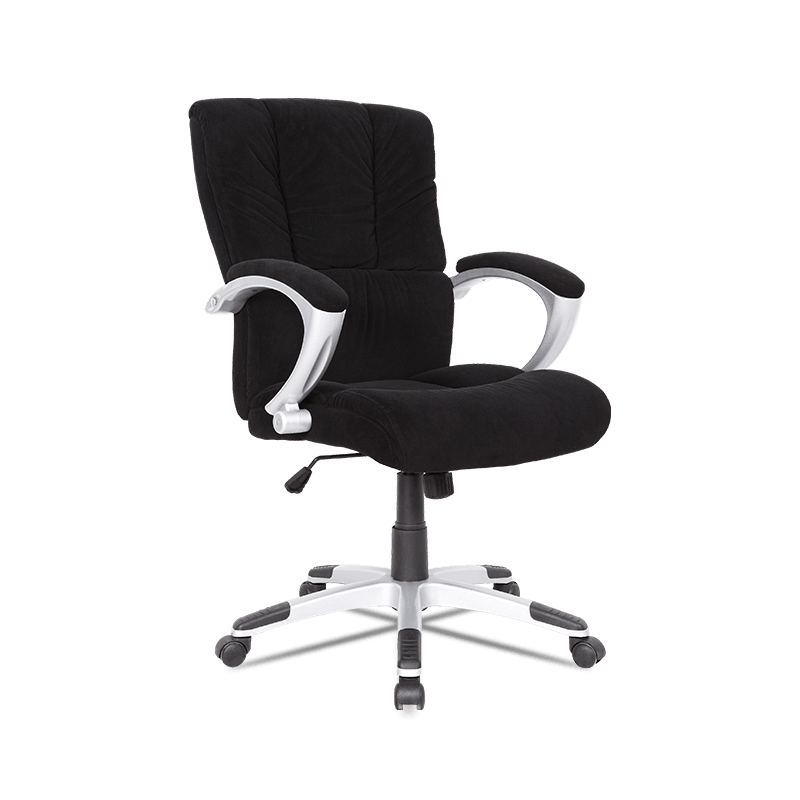
Item no.: MC-7105 This executive office chair is ideal for home of......
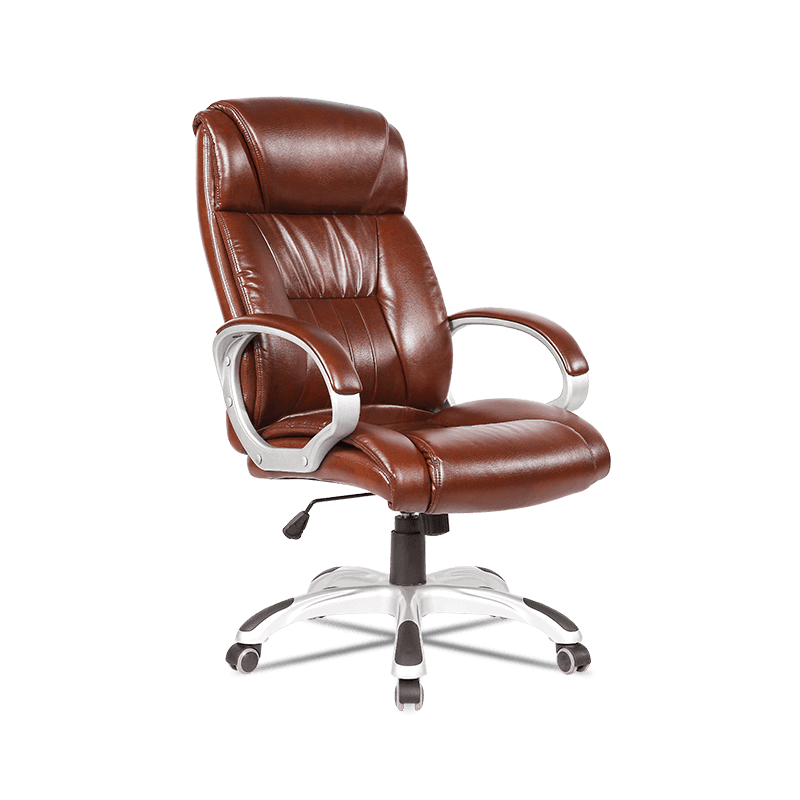
Item no.: MC-7106 Our executive pu leather swivel task chair with ......
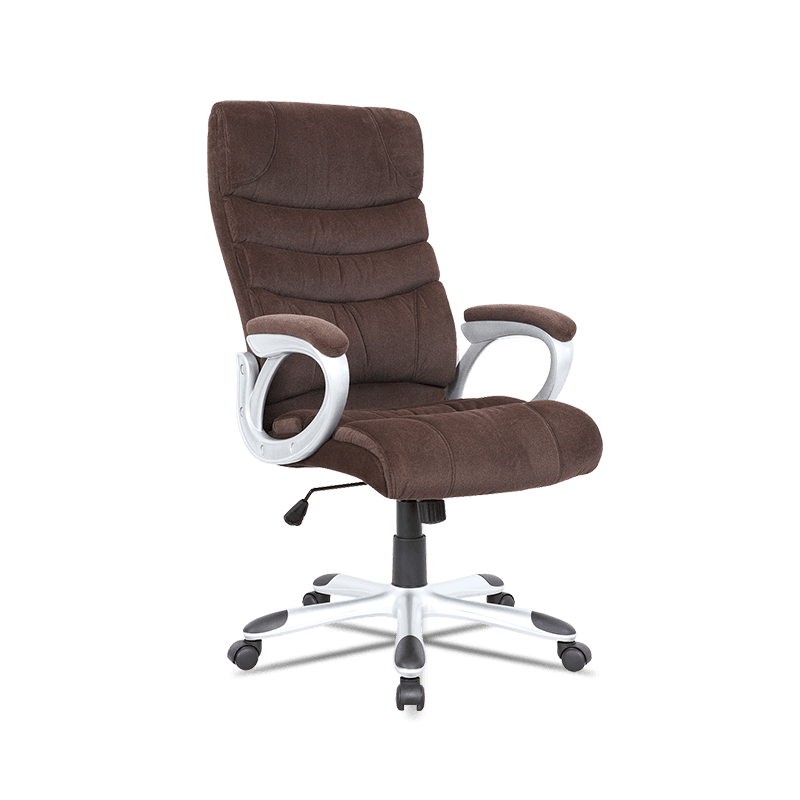
Item no.: MC-7107 Executive office chair ideal for home office, wo......
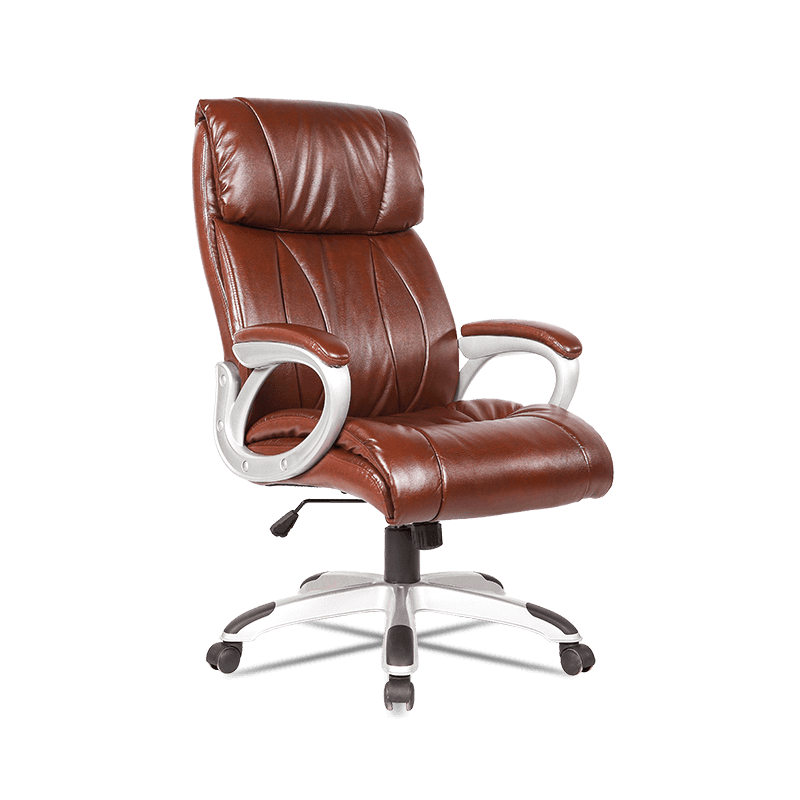
Item no.: MC-7108 This executive office desk chair is for home off......
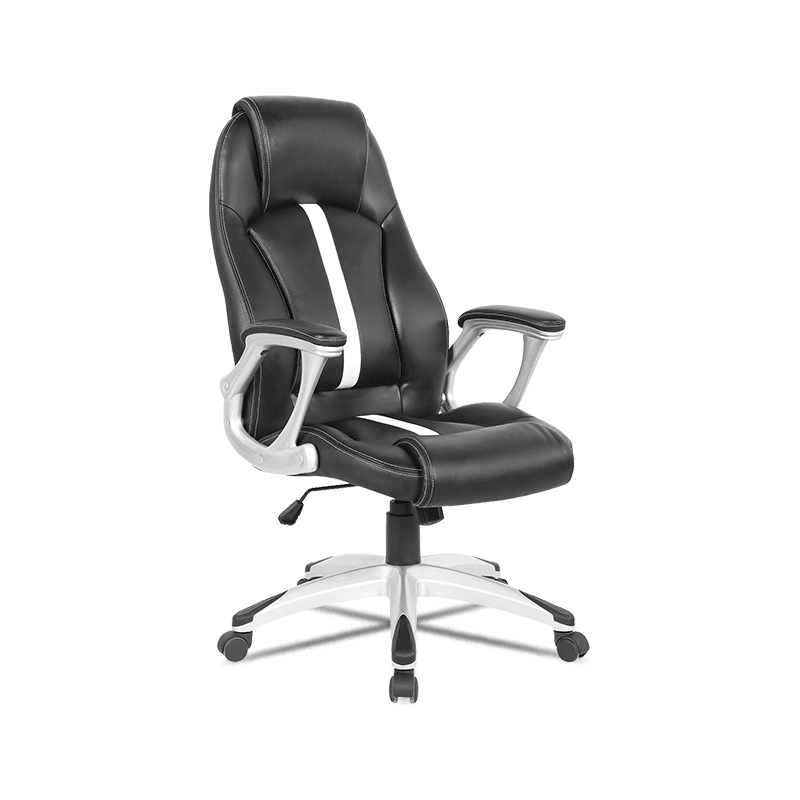
Item no.: MC-7109 This is our office chair computer high back adju......
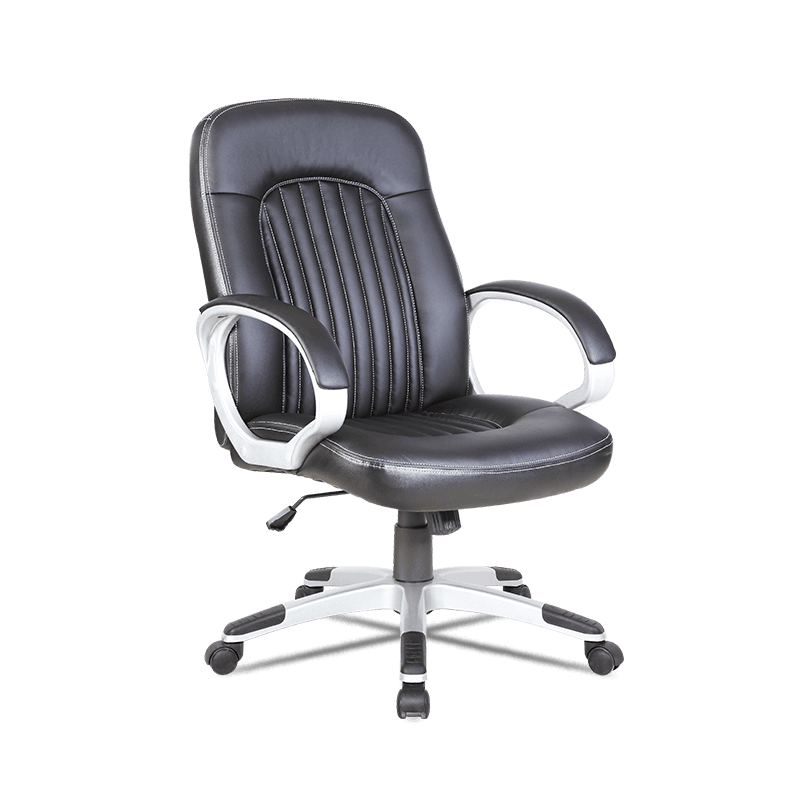
Item no.: MC-7110 Our executive office chair is made of high-quali......
Anji Mingchuang Furniture Co., Ltd. is a research and development, production, sales in the integration of manufacturing company, through professional human body engineering and the research of furniture culture, create a classic design, and guide the home culture. As professional Executive Office Chair Manufacturers and Executive Office Chair Factory in China, we offer Wholesale Executive Office Chair for sale online.
Company's products include gaming chair, office chair, dining chair, possess a complete series of office and restaurant series, the company has high-quality raw materials and selected; Keep improving technology company, with its unique design style, exquisite technology, sincere service, win the favor of customers, the original design of products and become the industry leader.

Video
It usually shows up around the third hour of the workday: shoulders creeping toward your ears, lower back aching, and your head drifting cl...
Why Your Office Chair's Armrests Matter More Than You Think You sit down to start a busy workday, and within a couple of hours you feel a d...
By Thursday afternoon, the heaviness in his pelvis had turned into a burning sensation that made sitting through another video call unbeara...
Anji Mingchuang Furniture Co., Ltd. is a professional Executive Office Chair manufacturer and factory based in China. Since 2018, we have integrated research, development, production, and sales to deliver ergonomic seating solutions for global B2B buyers. Our executive office chair range is designed for demanding work environments—from private offices and meeting rooms to home workspaces—combining comfort, durability, and a refined aesthetic.
As a factory, we offer competitive pricing without compromising quality. We support wholesale programs, OEM/ODM projects, and cross-border e-commerce supply. Our in-house production and quality control ensure consistent output for bulk orders, with a focus on material selection, workmanship, and long-term performance.
We supply a variety of executive office chairs to match different application needs. Each model is engineered with ergonomic principles, including curved backrests, lumbar support, and thick padding to reduce fatigue during long hours of sitting. The range includes:
For a complete view of our office seating, explore our Office Chair category, which includes home office and mesh options.
Choosing the right executive office chair depends on the intended use, user profile, and interior design. Our chairs are suitable for:
We use high-quality, environmentally-friendly materials. Upholstery options include breathable PU leather, durable PVC, and soft velvet fabric. Multi-density foam padding is used to balance comfort and support, reducing pressure on the lower back and thighs.
Our executive office chairs are built to meet the demands of daily use. Key specifications include:
| Feature | Typical Range | Benefit |
|---|---|---|
| Backrest Height | Mid-back to high-back | Supports lumbar and upper back |
| Seat Height Adjustment | Gas lift mechanism | Accommodates different user heights |
| Recline Mechanism | Tilt or multi-lock | Allows dynamic sitting postures |
| Armrests | Fixed or adjustable | Reduces shoulder strain |
| Load Capacity | 120–150 kg (typical) | Suitable for a wide range of users |
All chairs undergo rigorous quality checks to ensure stability, durability, and safety. We test mechanisms, gas lifts, and casters for smooth operation and long service life.
We understand that different markets and projects require specific features. Our executive office chairs can be configured to meet your needs:
For OEM/ODM orders, we can incorporate your logo, branding, and specific design requirements. Our R&D team works closely with you to ensure the final product aligns with your market positioning.
Quality is our priority. Every executive office chair is inspected four times before delivery:
This multi-stage process ensures that your order arrives in excellent condition, ready for distribution or installation.
We package our executive office chairs securely to prevent damage during transit. Standard packaging includes protective foam and carton boxes. For bulk orders, we use sea freight with container loading plans to maximize space and minimize costs. We also offer express delivery for samples and small orders via DHL, UPS, or FedEx.
Typical lead times are 1–3 working days for samples and small orders, 3–7 working days for bulk orders, and 11–40 days for sea freight depending on the destination port. Our logistics team coordinates with you to ensure timely delivery.
To extend the life of your executive office chairs, we recommend regular cleaning and periodic checks of moving parts. Our chairs are designed with replaceable components such as arm pads, gas lifts, and casters, making maintenance simple and cost-effective.
We provide documentation including assembly instructions and care guidelines. Our support team is available to answer questions and provide spare parts when needed.
To prepare an accurate quotation and configuration, please provide the following details:
With this information, we can recommend the most suitable model from our range and provide a tailored proposal.
Beyond executive office chairs, we manufacture a wide range of seating for different environments. Our Gaming chair line offers ergonomic support for long gaming sessions, while our Home office chair and Mesh Office Chair categories provide breathable and versatile options. For a complete overview, visit our Products page.
We accept small orders for samples and testing, with a typical lead time of 1–3 working days. For bulk orders, we offer competitive pricing and flexible MOQs based on the model and customization level. Contact us with your requirements, and we will provide a detailed quotation.
Yes, we support OEM and ODM projects. We can apply your logo on the chair, packaging, and other branding elements. Our design team will work with you to ensure the final product meets your specifications.
We offer a range of upholstery options including PU leather, PVC, velvet fabric, and mesh. All materials are selected for durability and comfort, and we can provide samples for your evaluation.
Every chair undergoes a four-stage inspection process: raw material, finished product, appearance, and function. This ensures consistent quality across all units. We also welcome third-party inspections if required.
For bulk orders, production typically takes 3–7 working days. Sea freight delivery time varies by destination, usually 11–40 days. We will provide an accurate ETA based on your port.
Yes, we offer after-sales support and can supply spare parts such as gas lifts, casters, and armrests. Our team is available to assist with any issues that may arise.
Copyright © Anji Mingchuang Furniture Co., Ltd. All Rights Reserved.
Wholesale Executive Office Chair Factory
