 English
 Español
High quality & environmentally-friendly material
We Are Manufacturer And Can Offer Competitive Price And Excellent Quality.
About Us >
We Are Manufacturer And Can Offer Competitive Price And Excellent Quality.
About Us >
We Are Manufacturer And Can Offer Competitive Price And Excellent Quality.
About Us >.png "MC-2105 Shell Shape Women's Home Office Chair Dressing Chair")
Item no.: MC-2105 Advantages Item Description: Home office cha......
.png "MC-MC-2115 Adjustable Height Home Office Chair with Armrests")
Item no.: MC-MC-2115 Advantages Item Description: Home office ......
.png "MC-3101K Simple Home Office Chairs With 5pcs 360° Swivel Wheels")
Item no.: MC-3101K Advantages Item Description: Home office ch......
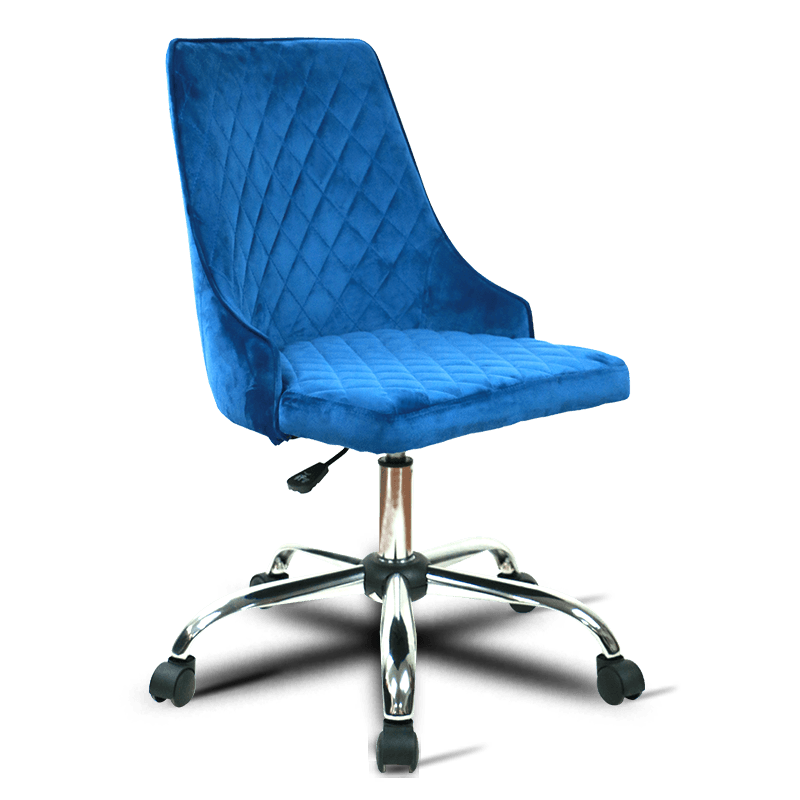
Item no.: MC-MC-2111 Advantages Item Description: Home office ......
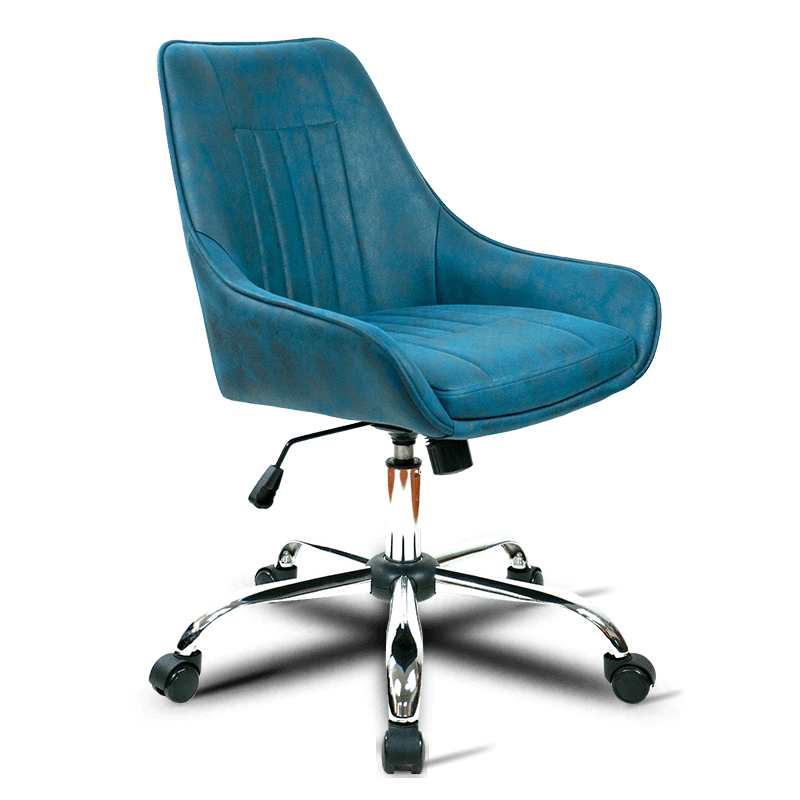
Item no.: MC-2112 Advantages Item Description: Home office cha......
Anji Mingchuang Furniture Co., Ltd. is a research and development, production, sales in the integration of manufacturing company, through professional human body engineering and the research of furniture culture, create a classic design, and guide the home culture. As professional Home office chair Manufacturers and Home office chair Factory in China, we offer Wholesale Home office chair for sale online.
Company's products include gaming chair, office chair, dining chair, possess a complete series of office and restaurant series, the company has high-quality raw materials and selected; Keep improving technology company, with its unique design style, exquisite technology, sincere service, win the favor of customers, the original design of products and become the industry leader.

Video
Getting the most out of an office chair comes down to three things: sitting in it correctly, choosing the right features for your body and ...
In early 2026, ANJI MINGCHUANG FURNITURE CO., LTD. officially completed the construction of its new factory and put it into operation. The n...
Office chairs endure daily wear from extended sitting, accumulating dust, sweat, oils, stains, and odors that affect both appearance and hyg...
Industry knowledge
Home office chairs must adapt to far more varied spatial conditions than traditional corporate seating. One practical consideration is footprint efficiency: chair base diameter, armrest swing range, and backrest recline clearance all influence whether a chair integrates smoothly into compact home workspaces such as bedrooms or shared living areas.
Designs optimized for home use often reduce lateral bulk while maintaining vertical support, allowing users to reposition easily between desk work, video calls, and casual reading without frequent furniture rearrangement.
In a home environment, acoustic comfort becomes a critical but frequently overlooked factor. Home office chairs increasingly employ low-noise mechanisms, including nylon-coated steel components and lubricated pivot joints, to minimize clicking or friction sounds during movement.
Unlike office-only seating, home office chairs are often used for extended, mixed-purpose sessions. Materials must balance durability with tactile comfort. Breathable mesh panels help manage temperature fluctuations in non-commercial spaces, while high-quality PU or fabric upholstery provides easier maintenance for households with children or pets.
Internal frame materials also matter. Reinforced polymer frames reduce overall weight while preserving structural stability, making chairs easier to move or reposition within the home.
Home office users often shift posture more frequently than corporate users, alternating between upright typing, reclined thinking, and cross-legged seating. As a result, adjustable components such as armrest height, backrest tilt range, and seat edge flexibility are particularly valuable.
| Adjustment Feature | Functional Benefit | Home Use Scenario |
| Adjustable Armrests | Reduces shoulder strain | Typing and video calls |
| Flexible Seat Edge | Improves leg circulation | Long sitting sessions |
Home office chairs must visually coexist with residential furniture rather than dominate the space. Subtle colorways, soft textures, and streamlined silhouettes help chairs blend with dining tables, bookshelves, or living room decor when the workspace is not in active use.
Manufacturers that emphasize original design and furniture culture research are better positioned to align functional seating with contemporary home aesthetics, achieving both visual harmony and ergonomic reliability.
From a practical standpoint, home office chairs benefit from modular construction. Easily replaceable casters, arm pads, and seat covers allow users to refresh high-contact components without replacing the entire chair, extending product lifespan and maintaining consistent comfort over time.
Integrated manufacturing models with strict material selection and continuous process improvement ensure that replacement parts remain compatible and performance standards are maintained across production cycles.
Copyright © Anji Mingchuang Furniture Co., Ltd. All Rights Reserved.
Wholesale Home office chair Factory
