 English
 Español
High quality & environmentally-friendly material
We Are Manufacturer And Can Offer Competitive Price And Excellent Quality.
About Us >
We Are Manufacturer And Can Offer Competitive Price And Excellent Quality.
About Us >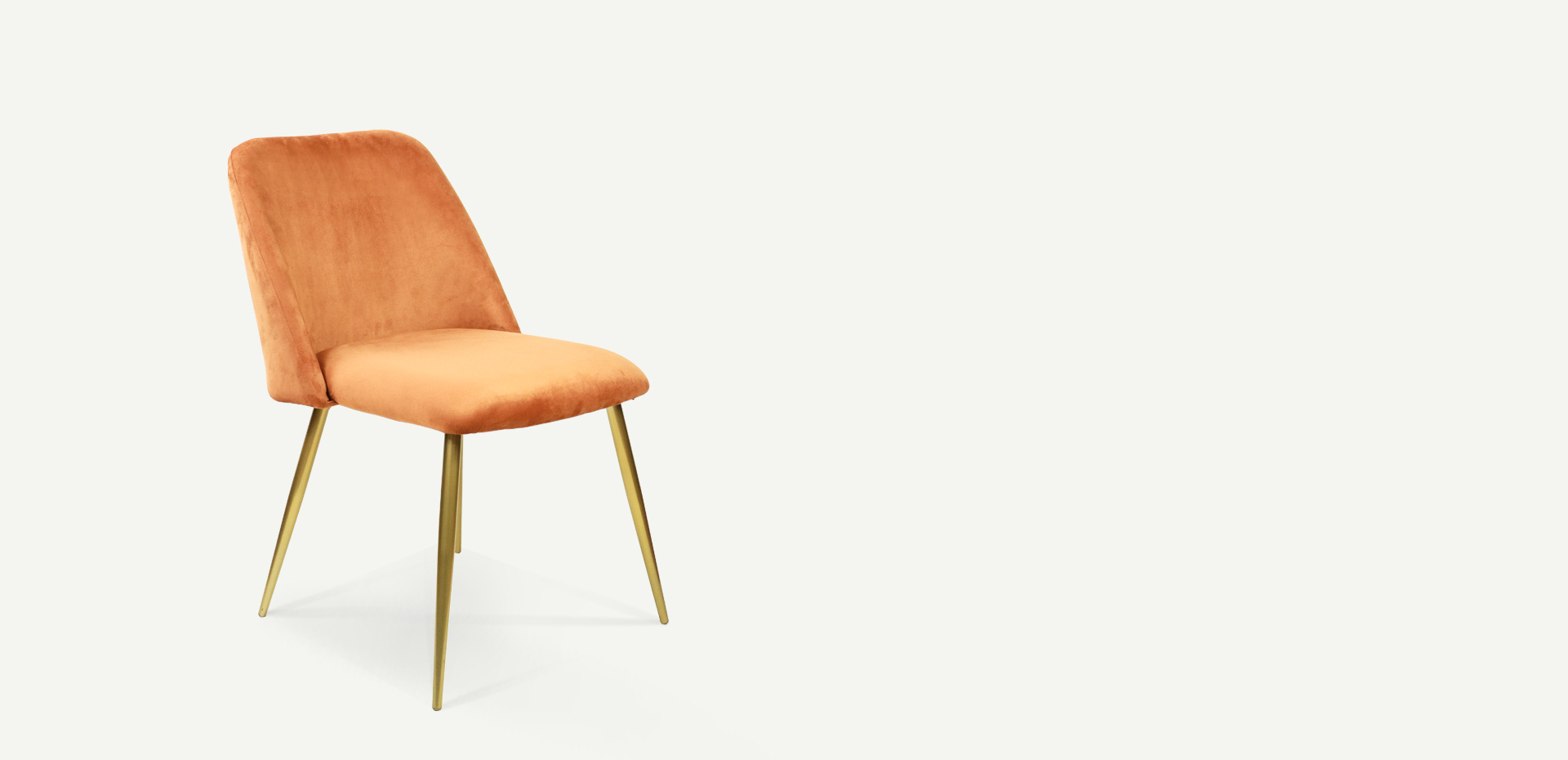
We Are Manufacturer And Can Offer Competitive Price And Excellent Quality.
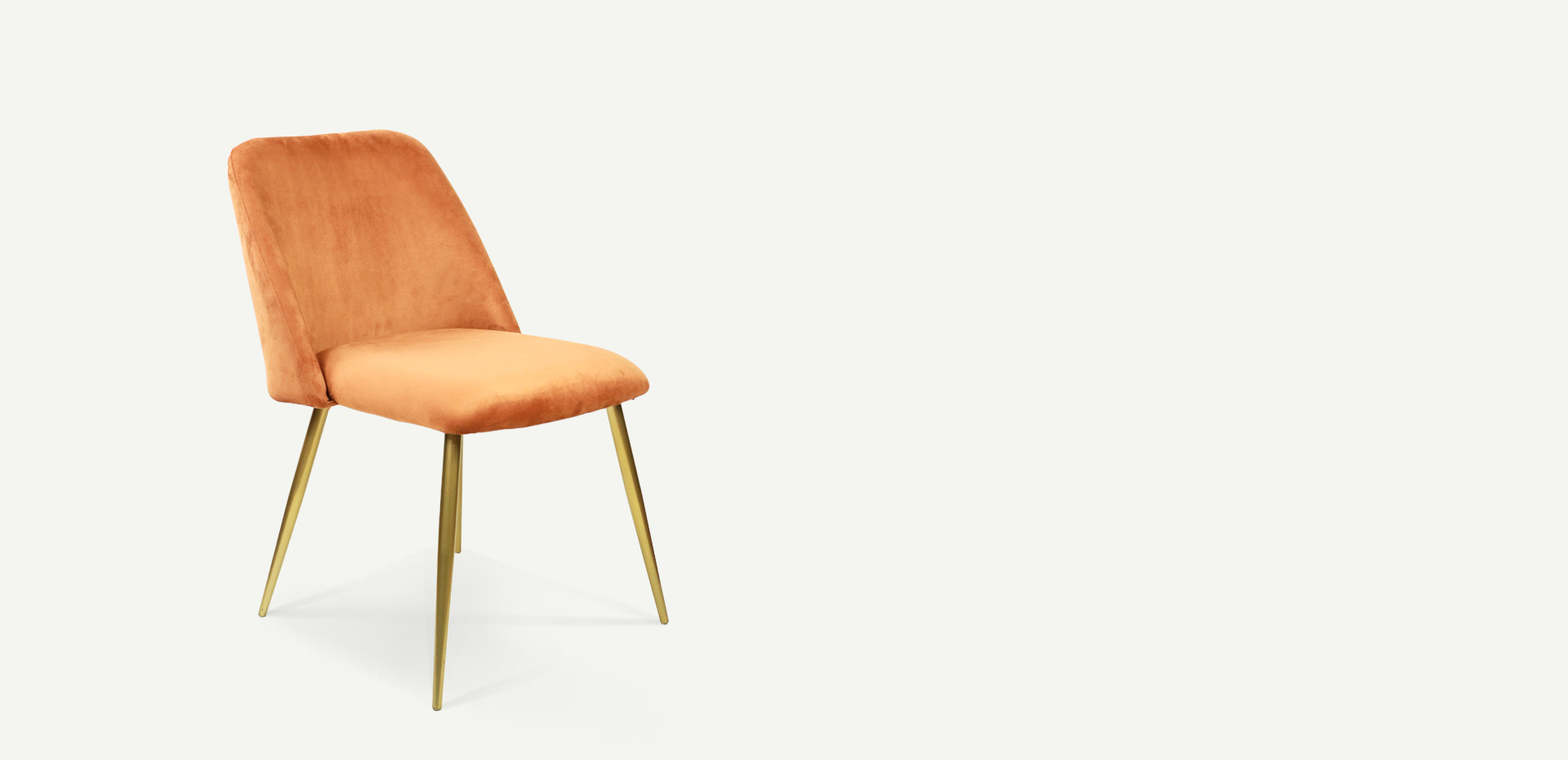
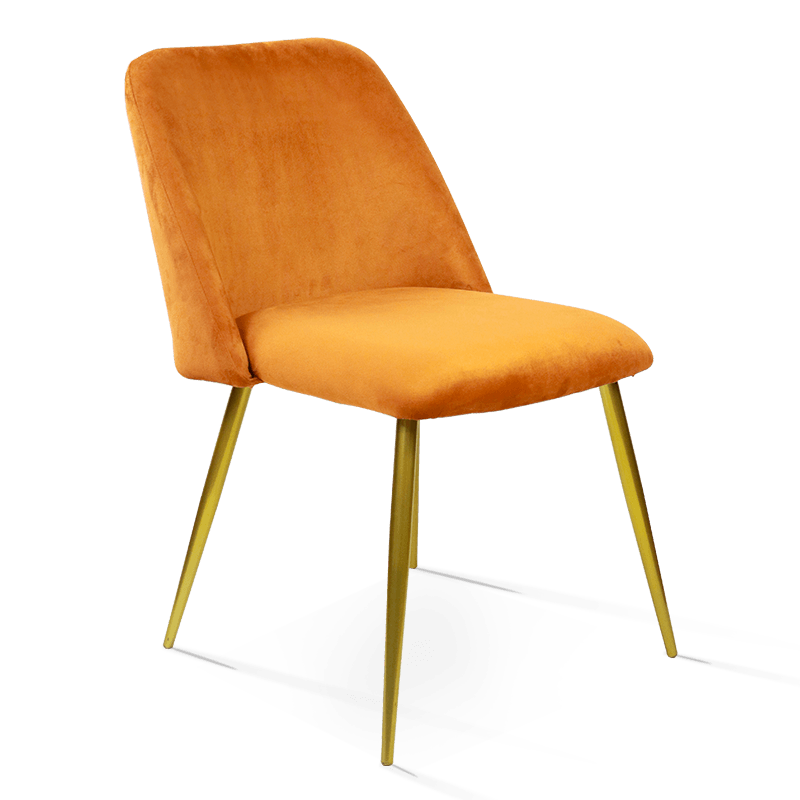
About Us >The classic and traditional style dining chair with pleated details is the pick for small space. Whether drawn up to your dining table or rounding out your living room with an extra seat, a small side chair like this is a great option wherever you need it. Our dining chair is made with premium fabric, comfortable for the skin's touch. High-density foam filling with a solid and manufactured frame provides comfort and support. The slender polished legs bring the modern design and add to the timeless fashion of the dining chair.
.png "MC-3102A Solid Wood Stool Legs Velvet Dining Chair Kitchen Chair")
Item no.: MC-3102A Advantages Item Description: Home dining ch......
Item no.: MC-2107 Advantages Item Description: Home dining cha......
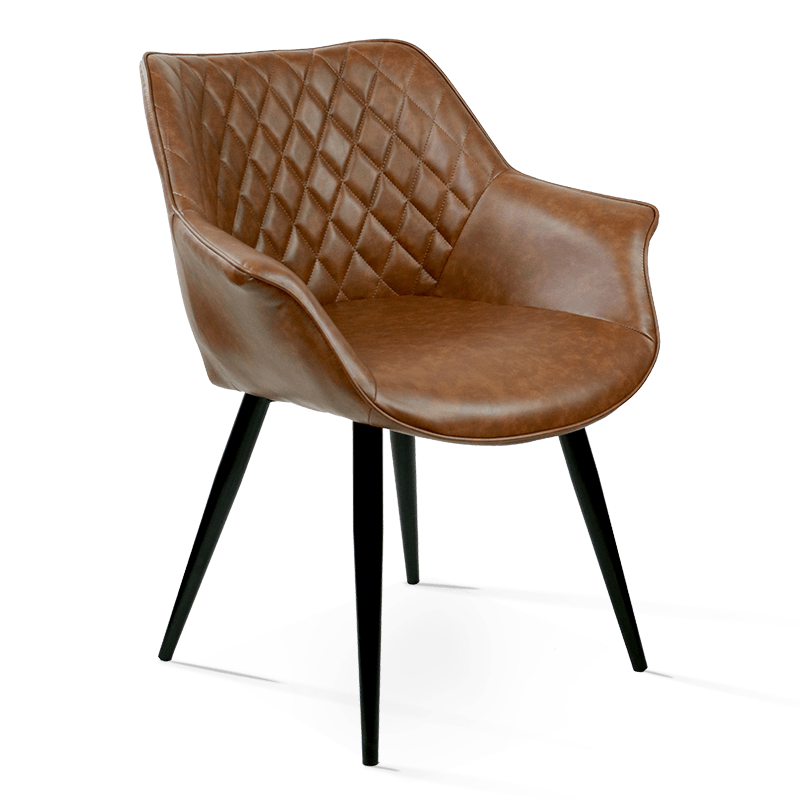
Item no.: MC-2108 Advantages Item Description: Home dining cha......
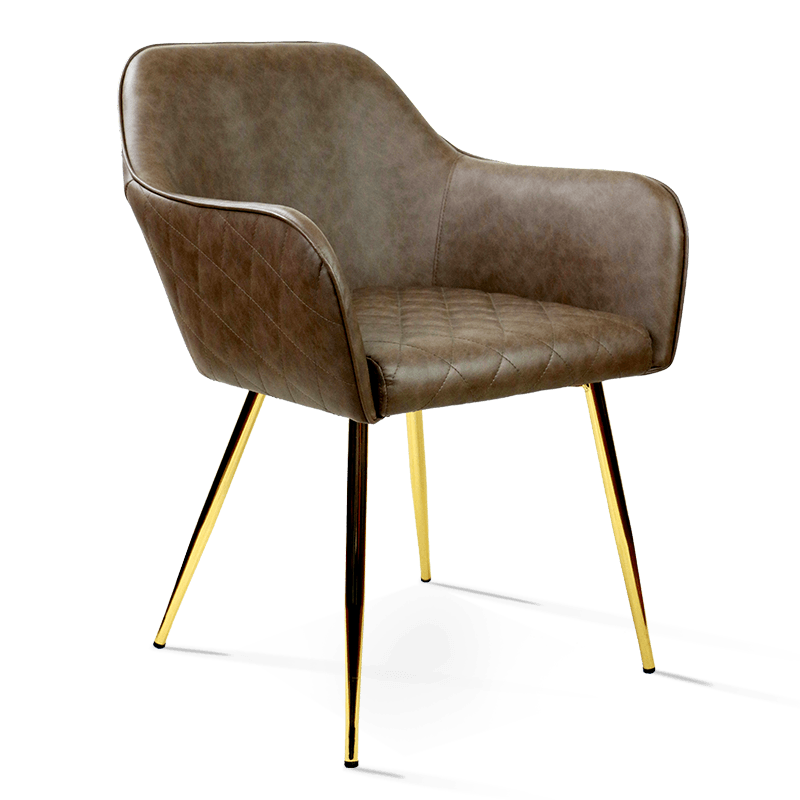
Item no.: MC-2109 Advantages Item Description: Home dining cha......
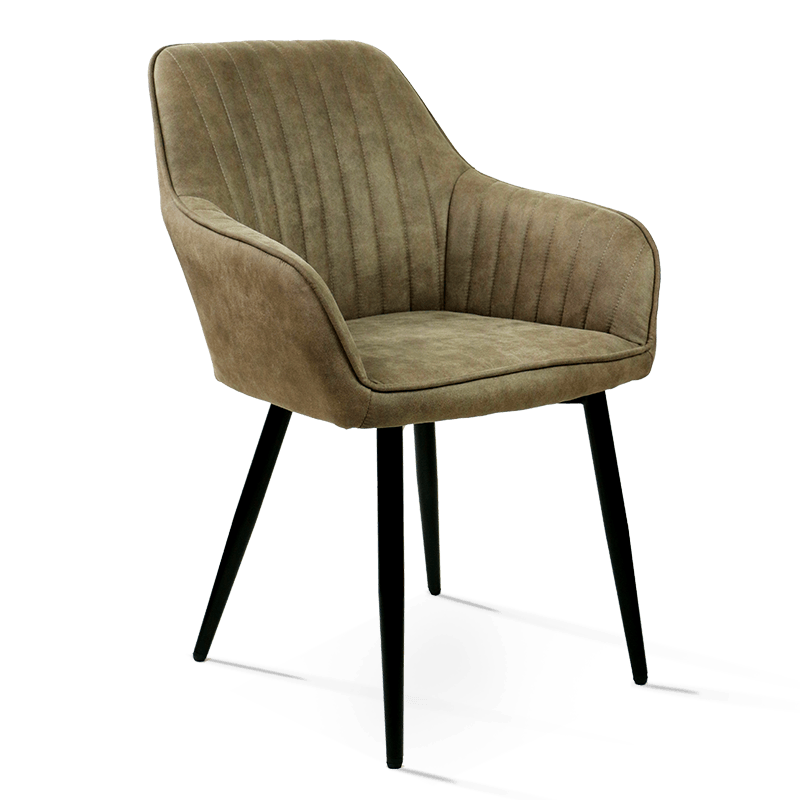
Item no.: MC-2110 Advantages Item Description: Home dining cha......
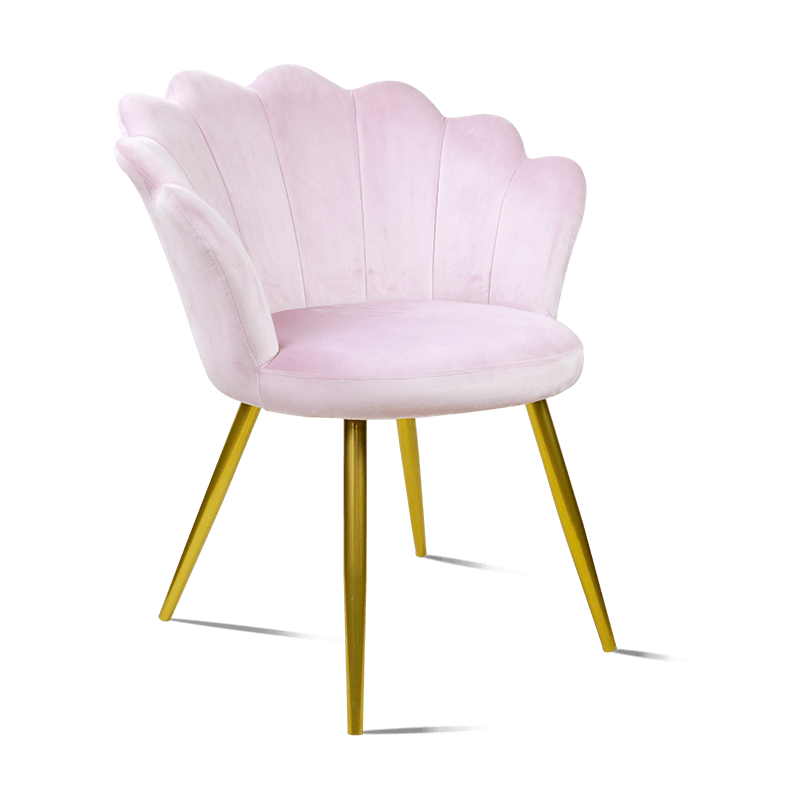
Item no.: MC-2105 Advantages Item Description: Home dining cha......
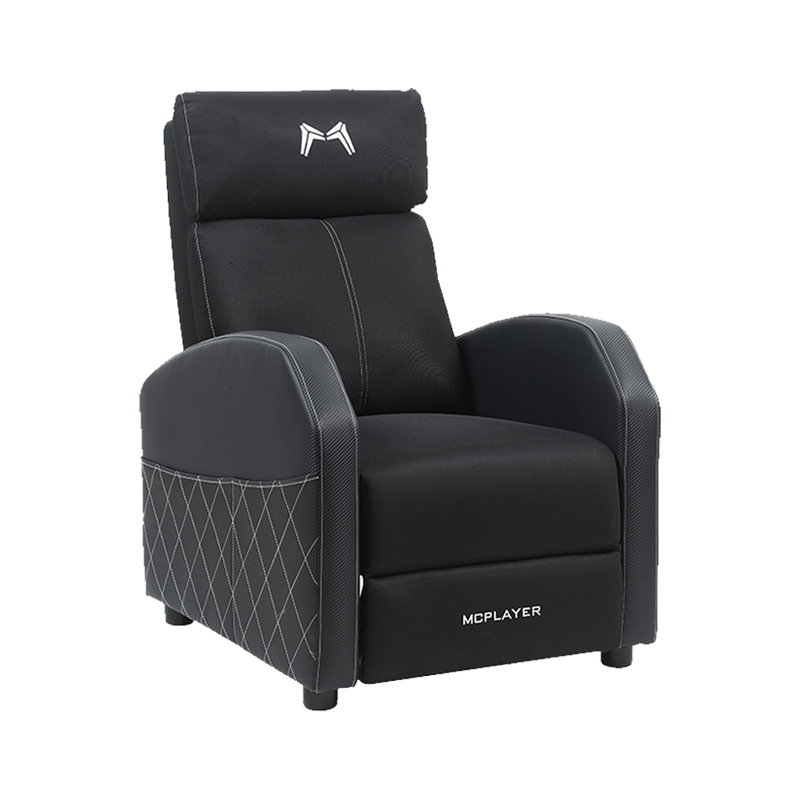
Product Size: 91 cm (W) × 67 cm (D) × 107 cm (H)Net Weight / Gross Wei......
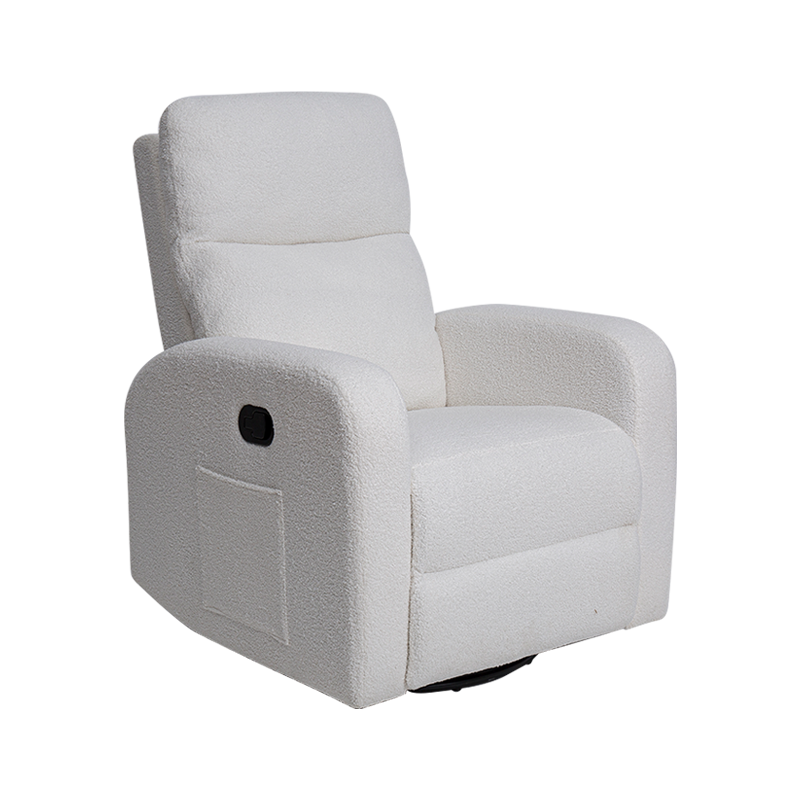
Product Size: 76 cm (W) × 93 cm (D) × 102.5 cm (H)Net Weight / Gross W......
Anji Mingchuang Furniture Co., Ltd. is a research and development, production, sales in the integration of manufacturing company, through professional human body engineering and the research of furniture culture, create a classic design, and guide the home culture. As professional Dining Chair Manufacturers and Home Dining Chair Factory in China, we offer Wholesale Dining Chairs for sale online.
Company's products include gaming chair, office chair, dining chair, possess a complete series of office and restaurant series, the company has high-quality raw materials and selected; Keep improving technology company, with its unique design style, exquisite technology, sincere service, win the favor of customers, the original design of products and become the industry leader.

Video
It usually shows up around the third hour of the workday: shoulders creeping toward your ears, lower back aching, and your head drifting cl...
Why Your Office Chair's Armrests Matter More Than You Think You sit down to start a busy workday, and within a couple of hours you feel a d...
By Thursday afternoon, the heaviness in his pelvis had turned into a burning sensation that made sitting through another video call unbeara...
As a dedicated recliner sofa manufacturer and wholesale supplier in China, Anji Mingchuang Furniture Co., Ltd. designs and produces a focused range of single-seat recliners that combine ergonomic research with residential and light-contract durability. Our recliner sofa category includes both manual and electric models, each engineered for specific room functions—from home theater seating to compact living spaces and even home-office relaxation zones.
We operate as an integrated factory with in-house R&D, production, and quality control since 2018. Our manufacturing experience spans gaming chairs, office chairs, and dining chairs, which gives us cross-category knowledge in mechanisms, upholstery, and human-body ergonomics. This allows us to offer recliner sofas that meet the expectations of importers, distributors, e-commerce sellers, and project buyers who need consistent quality at competitive wholesale pricing.
We currently supply two primary recliner sofa models, each addressing different seating postures and space requirements. Both are available for OEM/ODM customization, including fabric selection, color matching, and branding.
| Model | Type | Dimensions (W×D×H) | Upholstery | Best For |
|---|---|---|---|---|
| MC-1101-1 | Manual Recliner | 91 × 67 × 107 cm | PVC and Fabric | Compact living rooms, rental properties, home theaters |
| MC-1116 | Manual Recliner | 76 × 93 × 102.5 cm | Fabric (customizable) | Home offices, reading nooks, small apartments |
Both models feature a sturdy plywood frame, high-density foam cushioning, and a smooth manual reclining mechanism. The MC-1101-1 offers a wider seat and a taller backrest, while the MC-1116 is designed with a deeper seat for lounging and a more compact footprint for space-constrained interiors.
Our recliner sofas are built for residential use and light commercial settings where comfort and durability are equally important. Typical applications include:
We understand that a recliner must not only feel comfortable but also fit the room's aesthetic. That's why we offer a range of fabric colors and materials, including PVC for easy cleaning and breathable fabrics for warmer climates.
We select materials that balance comfort, longevity, and cost-effectiveness. Our recliner sofas use:
Every batch of raw materials is inspected upon arrival, and finished products undergo a four-stage quality check before packing: raw material inspection, finished product inspection, appearance check, and functional testing of the recline mechanism.
We support OEM and ODM projects for recliner sofas. Whether you need a specific fabric, a custom color, or your logo on the headrest, our factory can accommodate. We also offer design modifications for dimensions, recline angle, or added features like a cup holder or storage pocket, subject to MOQ and engineering review.
For e-commerce sellers, we can provide retail-ready packaging with custom cartons and assembly instructions. For distributors, we offer mixed-container loading with other chair categories from our factory, such as gaming chairs and office chairs, to optimize shipping costs.
Quality is a priority in our factory. In addition to the four-stage inspection, we perform load testing on the seat and backrest to simulate daily use. Our recline mechanisms are cycled to ensure durability. We also check for stability, ensuring the chair does not tip when reclined at full extension.
We adhere to the principle of "First Class Quality and Good Honor" and are committed to delivering products that meet international standards for safety and performance. For specific certifications (e.g., BIFMA, EN 12520), we can discuss testing requirements based on your target market.
Our recliner sofas are packed in sturdy export cartons with foam corner protection to prevent damage during transit. For bulk orders, we use sea freight and can arrange FOB or CIF shipping terms. Typical lead time is 3-7 working days for bulk orders after sample approval, with sea freight taking 11-40 days depending on destination port.
To prepare an accurate quotation and production plan, please provide the following details:
With this information, we can provide a tailored solution that aligns with your market needs and budget.
We are not just a trading company; we are a factory with over 10 years of experience in the furniture industry. Our team understands the importance of reliable mechanisms, comfortable seating, and consistent quality. We serve international trading companies, chain stores, and e-commerce brands, offering competitive pricing without compromising on craftsmanship.
Our location in Anji, Zhejiang—China's furniture manufacturing hub—gives us access to a mature supply chain and skilled labor. We invite you to explore our recliner sofa models and contact us for samples or a detailed quotation.
Our standard MOQ is 50 units per model for custom orders, but we can be flexible for sample orders or initial trials. Please contact us with your specific requirements.
Yes, we can produce samples within 1-3 working days and ship them via DHL, UPS, or FedEx. Sample cost is deductible from the bulk order.
Currently, our standard models are manual, but we can source and integrate electric mechanisms for OEM projects. Please discuss your needs with our sales team.
We provide a 1-year warranty on frames and mechanisms, covering manufacturing defects. Upholstery wear is not covered under normal use.
Yes, we support mixed loading with other products from our factory, such as dining chairs, gaming chairs, and office chairs, to help you optimize shipping costs.
Our portfolio also includes Products for applications with different operating ranges, interfaces or integration requirements.
Copyright © Anji Mingchuang Furniture Co., Ltd. All Rights Reserved.
Wholesale Dining Chairs Factory
