 English
 Español
High quality & environmentally-friendly material
We Are Manufacturer And Can Offer Competitive Price And Excellent Quality.
About Us >
We Are Manufacturer And Can Offer Competitive Price And Excellent Quality.
About Us >
We Are Manufacturer And Can Offer Competitive Price And Excellent Quality.
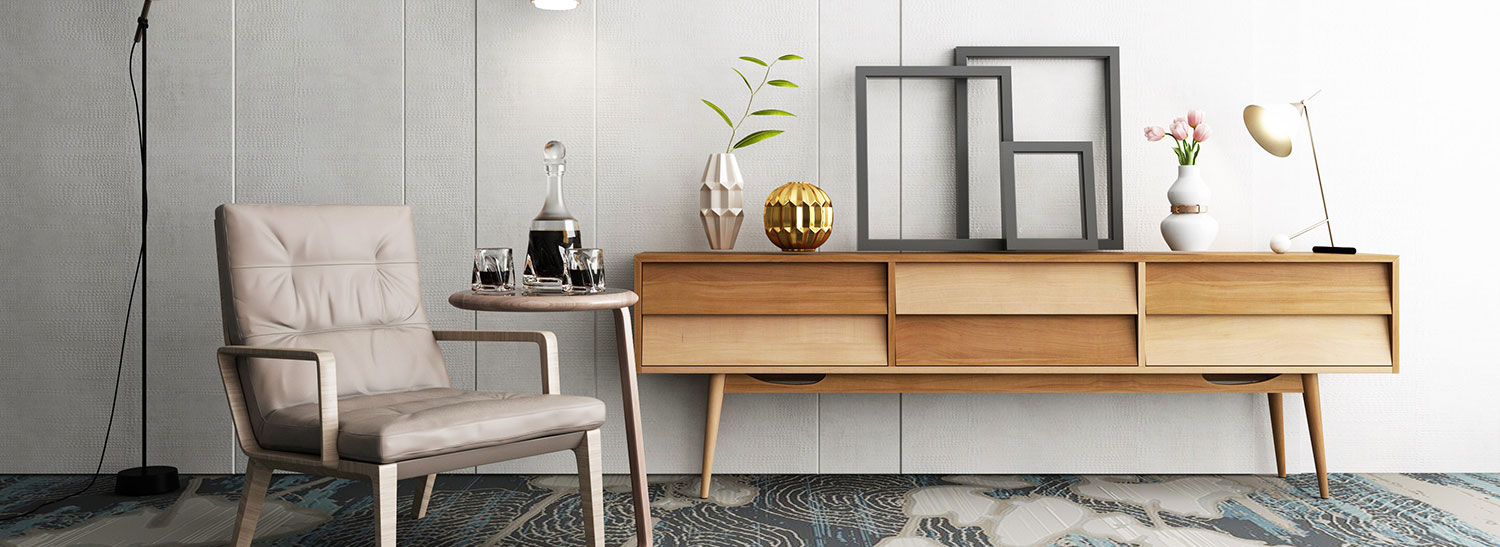
About Us >The accent chair is also a lounge chair, and has a nonchalant kind of confidence. This versatile design fits perfectly in pretty much any setting. Whether you want to dress up your bedroom, have more seating for guests in the living room, or simply need a good- Looking and comfortable reading chair, The sturdy, mid-century-inspired frame supports a soft-but-firm cushioning that's upholstered in your fabric of choice.
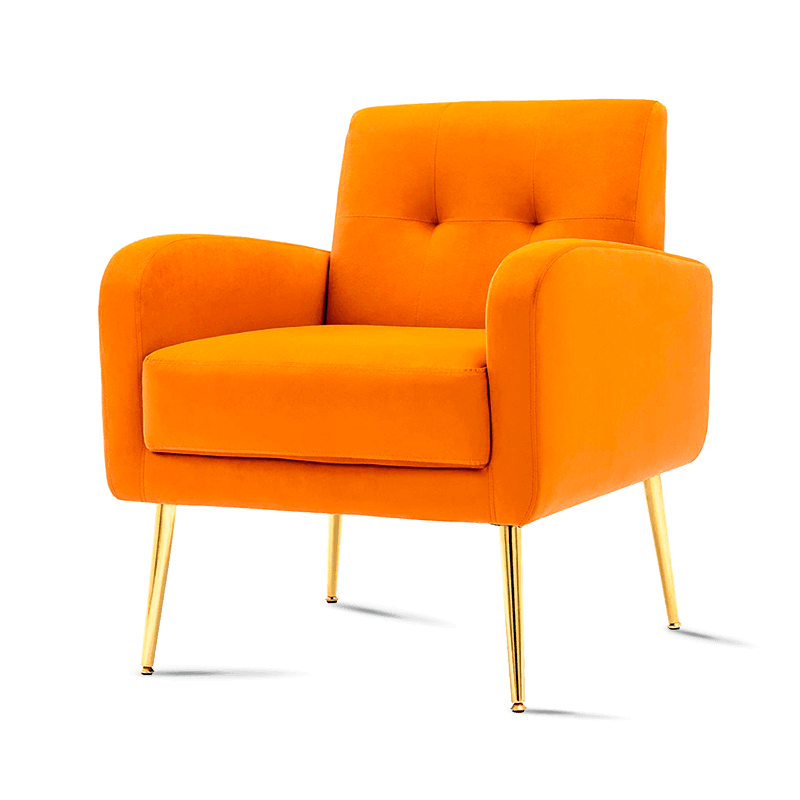
Item no.: MC-1101 Our living room accent chairs velvet tufted mode......
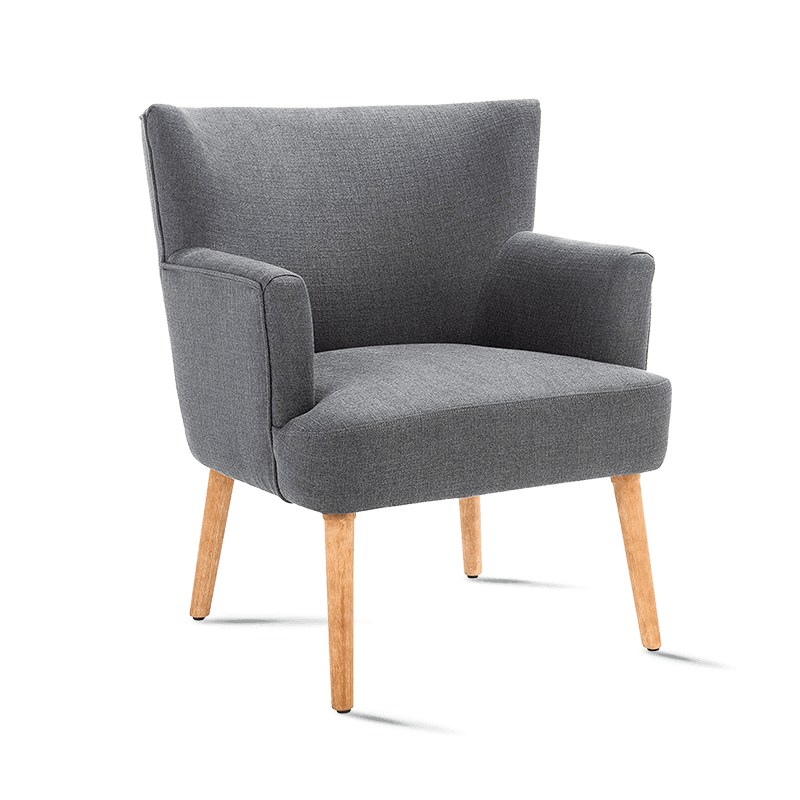
Item no.: MC-1102 This Accent armchair is inspired by Midcentury m......
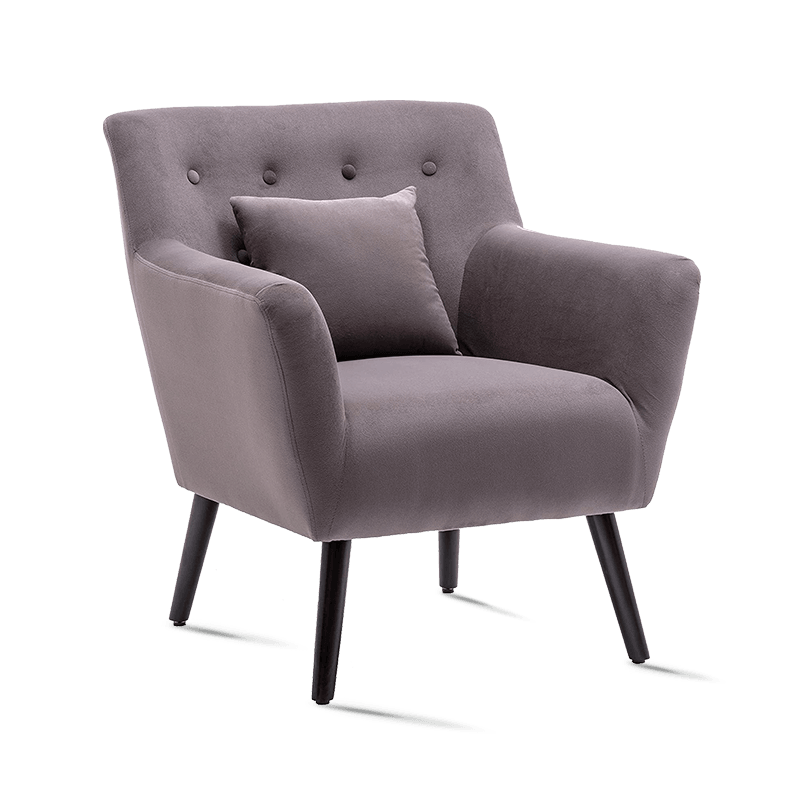
Item no.: MC-1103 This accent arm chairs velvet tufted modern comf......
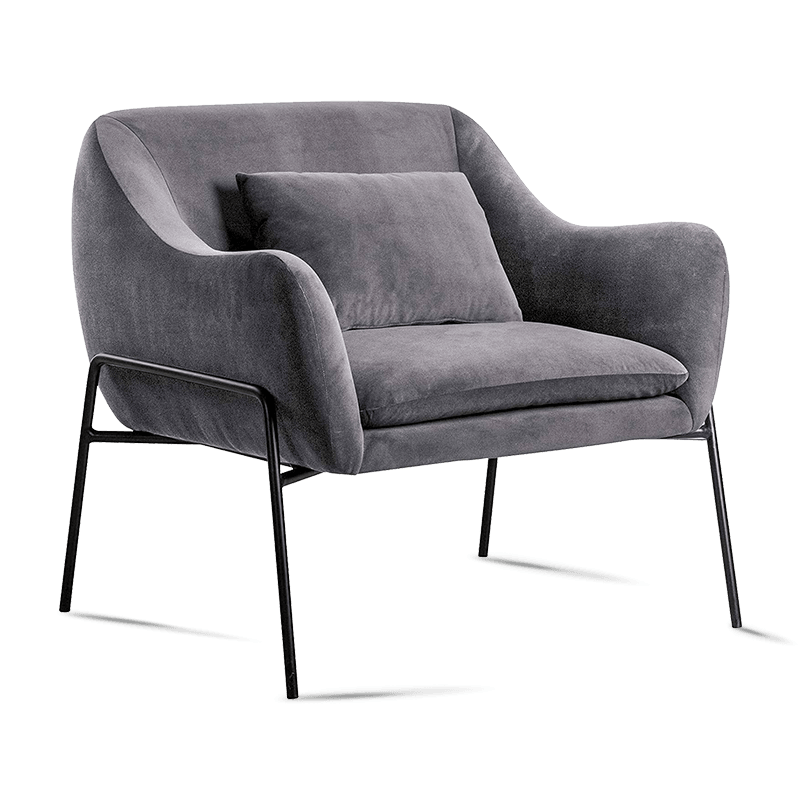
Item no.: MC-1104 Coupled with contoured seats and armrest, this m......
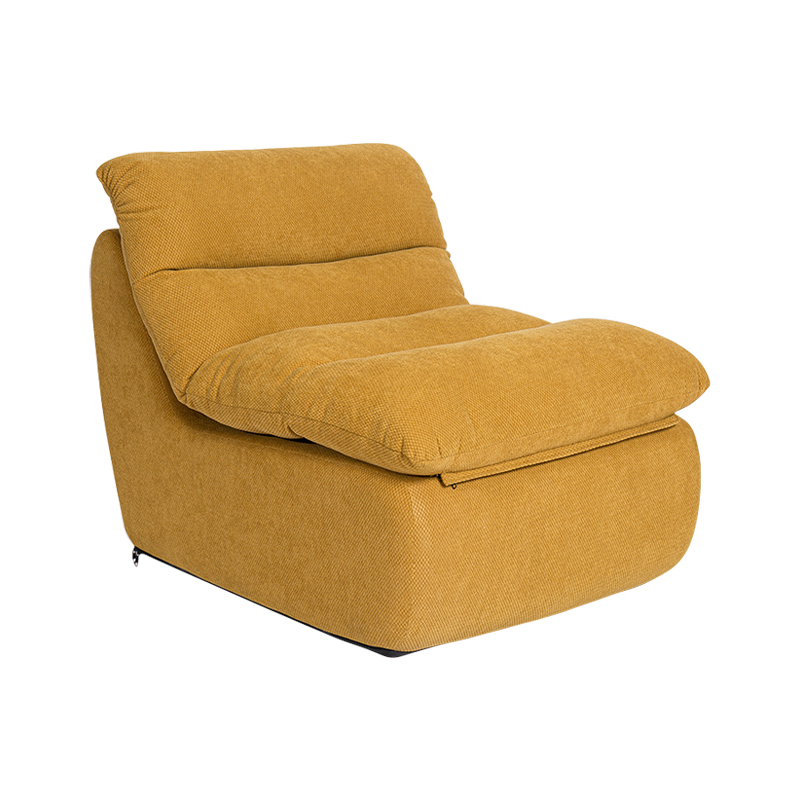
Product Size: 74 cm (W) × 93.5 cm (D) × 80 cm (H)Net Weight / Gross We......
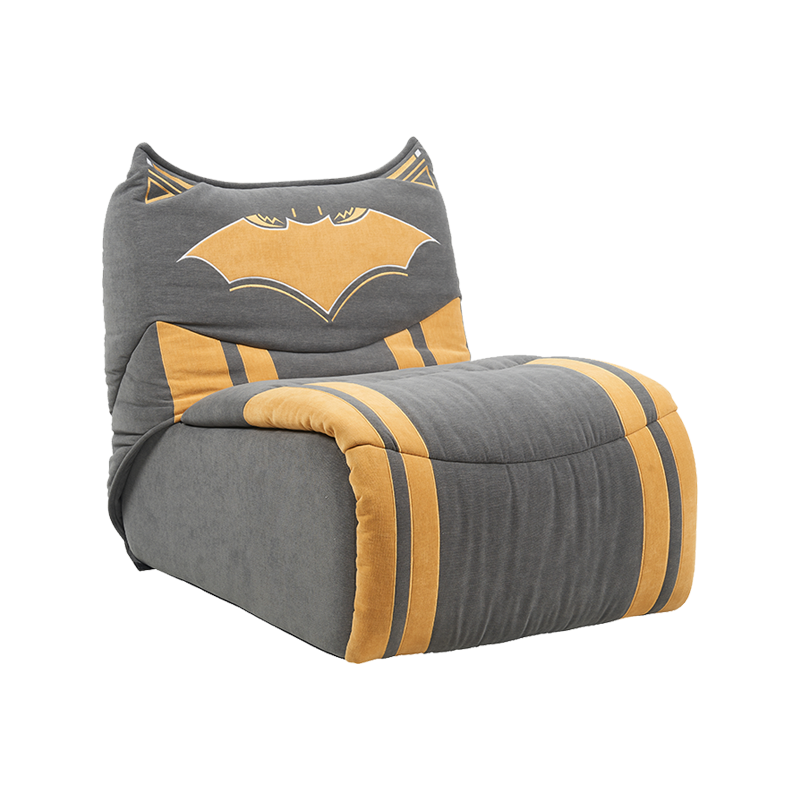
Product Size: 86 cm (W) × 99.5 cm (D) × 88 cm (H)Net Weight / Gross We......
Anji Mingchuang Furniture Co., Ltd. is a research and development, production, sales in the integration of manufacturing company, through professional human body engineering and the research of furniture culture, create a classic design, and guide the home culture. As professional Accent Chair Manufacturers and Living Room Armchair Factory in China, we offer Wholesale Velvet Accent Chairs for sale online.
Company's products include gaming chair, office chair, dining chair, possess a complete series of office and restaurant series, the company has high-quality raw materials and selected; Keep improving technology company, with its unique design style, exquisite technology, sincere service, win the favor of customers, the original design of products and become the industry leader.

Video
What to Look for in an Office Chair When Pain or Weight Is a Factor The right office chair can meaningfully reduce daily pain and fatigue —...
The best office chair for women is one with a narrower seat width, adjustable lumbar support positioned for a shorter torso, seat height th...
Choosing between an executive office chair, a home office chair, and a mesh office chair comes down to three factors: how many hours a day ...
Industry knowledge
The visual appeal of a velvet accent chair is largely dictated by the "nap" or the direction of the fabric's pile. When light hits the fibers, it reflects differently depending on whether the pile is laid flat or standing upright. This creates the signature "shimmer" or "crushed" effect that defines luxury seating. At Anji Mingchuang Furniture, we carefully select high-density velvet to ensure that this light play remains consistent across the contours of our ergonomic designs. When placing your chair, consider the primary light source in the room; positioning the chair so the nap faces the entrance often results in a deeper, richer color saturation, while facing it toward the window highlights the textile’s sheen.
While the velvet exterior provides the aesthetic, the longevity of an accent chair depends on the internal density of the polyurethane foam and the gauge of the supportive springs. High-resiliency (HR) foam is essential for maintaining the chair's silhouette over time, preventing the "sagging" effect common in lower-end furniture. We integrate professional human body engineering into our manufacturing process to ensure that the internal structure provides adequate lumbar support without compromising the soft, inviting feel of the velvet. A well-constructed chair should feature a multi-layer foam system, often combining a firm base layer with a softer "crown" layer for immediate comfort.
Selecting the right type of velvet is crucial for balancing maintenance with tactile luxury. Modern furniture manufacturing has shifted toward performance polyesters that mimic the feel of silk while offering significantly higher durability. Our production team utilizes selected high-quality raw materials to ensure our chairs withstand daily use while maintaining an exquisite design style. Below is a comparison of technical attributes between common velvet types used in high-end manufacturing:
| Feature | Performance (Synthetic) Velvet | Cotton/Silk Velvet |
| Durability | High (Martindale rub count >40,000) | Moderate to Low |
| Stain Resistance | Inherently hydrophobic; easy to clean | Absorbent; prone to water spots |
| Color Retention | Excellent fade resistance | Sensitive to UV light |
To keep a velvet accent chair looking pristine, it is important to address "bruising"—the flattening of fibers due to prolonged pressure. Regular maintenance prevents these fibers from becoming permanently matted. We take pride in our exquisite technology and sincere service, and we always recommend these specific care steps to preserve the integrity of your furniture’s original design:
The base of a living room armchair serves as the visual anchor. While the velvet provides softness, the legs—typically crafted from electroplated stainless steel, solid ash, or tapered iron—provide the necessary contrast. In our research of furniture culture, we have found that metallic finishes like brushed gold or matte black enhance the modern "glam" feel of velvet, whereas solid wood legs ground the piece in a mid-century or contemporary organic style. Ensuring the hardware is precision-engineered is a hallmark of our manufacturing philosophy, allowing for a seamless transition between the plush upholstery and the structural frame.
Copyright © Anji Mingchuang Furniture Co., Ltd. All Rights Reserved.
Wholesale Velvet Accent Chairs Factory
