 {|get_lang_name}
 {|get_lang_name}
Product Consultation
Your email address will not be published. Required fields are marked *


Content
Office workers who are shorter than average often face unique challenges when it comes to seating. Standard office chairs are usually designed for average heights, leaving shorter individuals with poor posture, unsupported legs, and strain on the lower back. For those already experiencing back pain, choosing the right office chair is critical to reduce discomfort, improve ergonomics, and prevent long-term spinal issues.
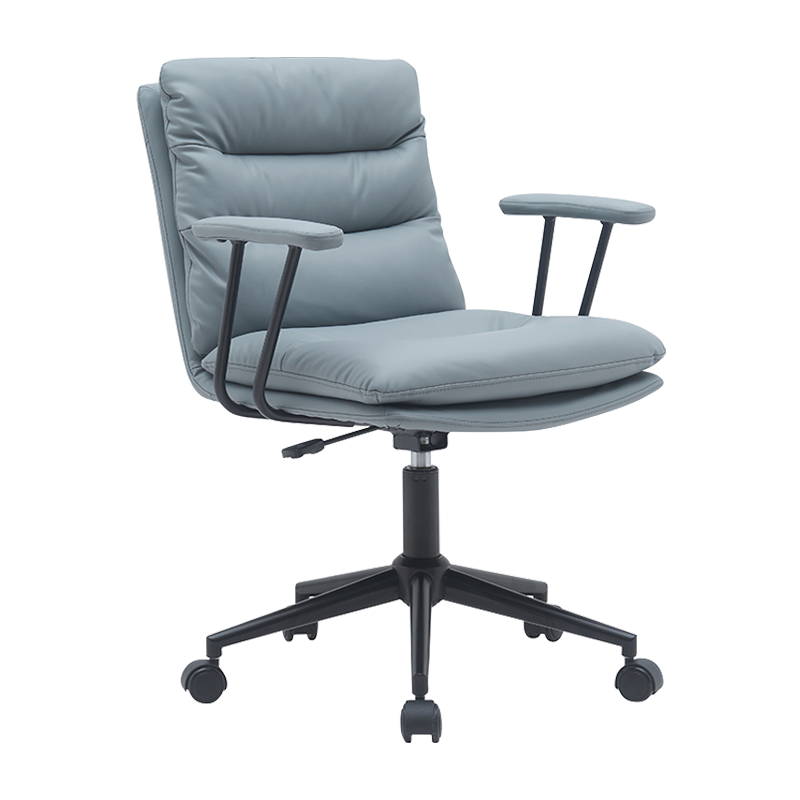
Selecting an office chair for a short person with back pain requires careful consideration of adjustable features, lumbar support, and seat depth. A well-designed chair can make a significant difference in comfort and productivity.
The seat height should allow the feet to rest flat on the floor or on a footrest, creating a 90-degree angle at the knees. Chairs with gas lift adjustments and a lower minimum height are ideal for shorter users, ensuring proper leg support and reducing strain on the lower back.
Lower back support is essential to prevent slouching and relieve spinal pressure. Look for chairs with adjustable lumbar support that can be positioned to match the natural curve of a short person’s spine. Some chairs offer inflatable or memory foam lumbar cushions for customizable comfort.
Chairs designed for shorter individuals often feature shallower seat pans to prevent the edge of the seat from cutting into the back of the knees. Proper seat depth allows the user to sit back against the lumbar support while maintaining a small gap between the seat edge and the back of the knees for optimal circulation.
Armrests that are too high or too low can lead to shoulder and neck strain. For short users, height-adjustable and inward-adjustable armrests ensure that forearms rest comfortably while typing or using a mouse, preventing upper back tension.
The construction and materials of the chair play an important role in long-term comfort. Breathable materials, proper cushioning, and ergonomic shaping are key for individuals with back pain.
High-density foam or memory foam seat cushions distribute weight evenly and reduce pressure points on the tailbone and thighs. For shorter individuals, thinner seat cushions may also be more appropriate to maintain correct seating height.
Mesh backrests provide ventilation, preventing discomfort from heat buildup. Chairs with breathable fabrics also adapt to the contour of the back, supporting posture and reducing sweating during long work hours.
Chairs with a contoured backrest, seat, and adjustable features promote natural alignment of the spine. Ergonomically shaped chairs prevent slouching, help maintain a neutral posture, and relieve strain on the lower back and hips.
The table below summarizes the key features to consider when choosing an office chair for short users who experience back pain:
| Feature | Importance | Recommended Option |
| Seat Height | High | Adjustable 16–20 inches |
| Lumbar Support | High | Adjustable or Memory Foam Cushion |
| Seat Depth | Moderate | Shallow Pan 15–17 inches |
| Armrests | High | Height and Width Adjustable |
| Backrest | High | Ergonomic Mesh or Contoured Shape |
Even with the perfect chair, proper posture and regular movement are essential to minimize back pain. The following tips can help:
Selecting the right office chair for short people with back pain is a crucial investment in health and productivity. Chairs with adjustable seat height, proper lumbar support, shallow seat depth, and ergonomic features can significantly reduce discomfort and support proper posture. Combined with good habits, these chairs help alleviate back pain and create a more comfortable and productive workspace.
Accent Chair Styles for Modern, Classic, and Transitional Interiors
Jan 30,2026Task Chair vs Office Chair: Practical Differences, Use Cases, and Buying Guidance
Feb 12,2026Your email address will not be published. Required fields are marked *
Copyright © Anji Mingchuang Furniture Co., Ltd. All Rights Reserved.
