 English
 Español
High quality & environmentally-friendly material
We Are Manufacturer And Can Offer Competitive Price And Excellent Quality.
About Us >
We Are Manufacturer And Can Offer Competitive Price And Excellent Quality.
About Us >
We Are Manufacturer And Can Offer Competitive Price And Excellent Quality.
About Us >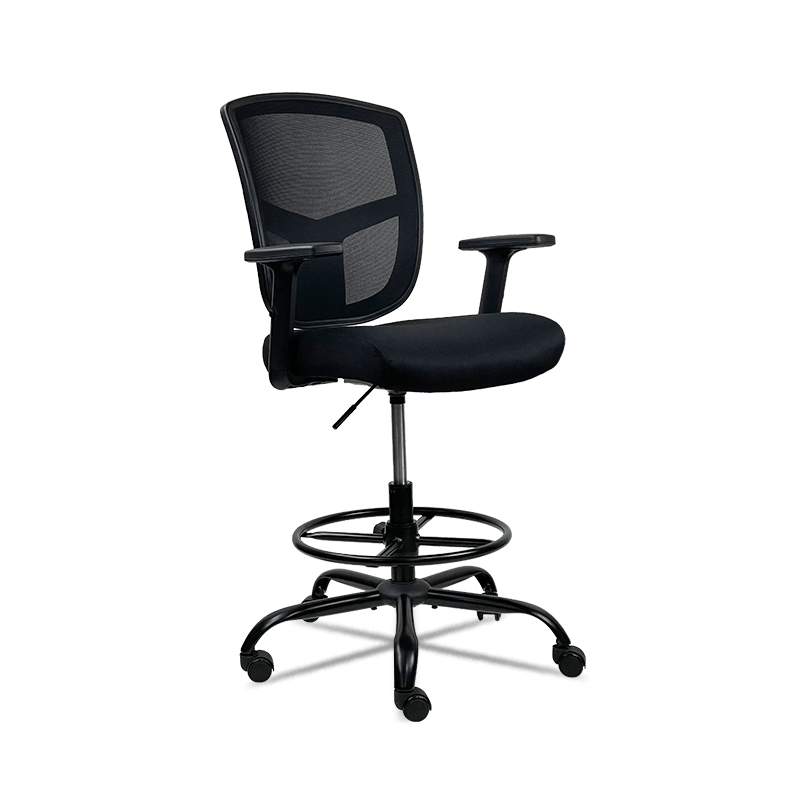
Item no.: MC-7803 This is a mesh office chair, ergonomic computer ......
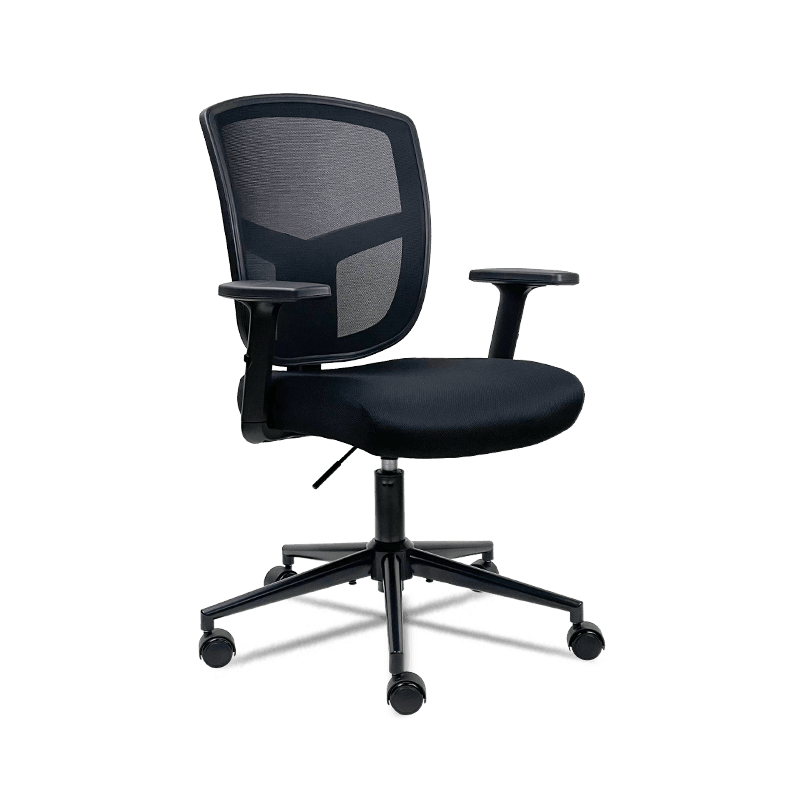
Item no.: MC-7803 The product is a drafting chair tall office chai......
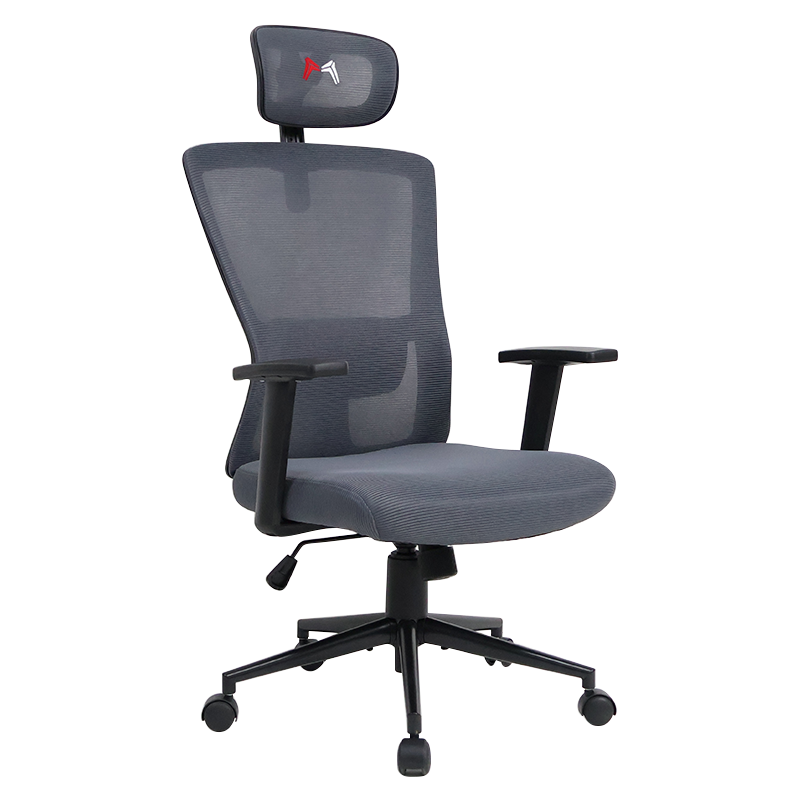
Product Size: 63.5 × 65.5 × 114.5–124.5 cm (W × D × H adjustable)Net W......
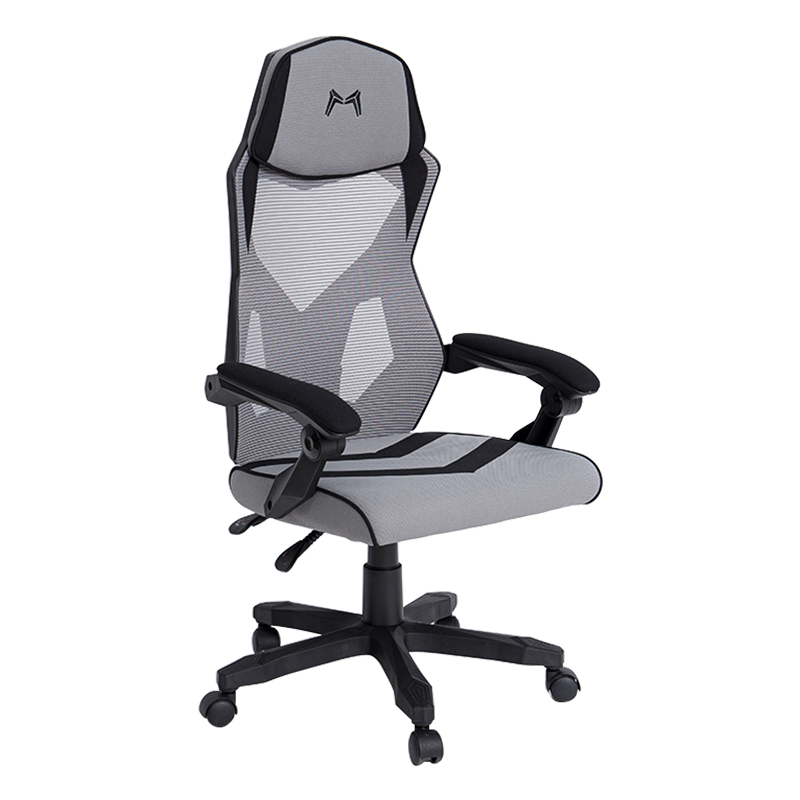
Product Size: 58.5 × 63.5 × 113.5–122.5 cm (W × D × H adjustable)Net W......
Anji Mingchuang Furniture Co., Ltd. is a research and development, production, sales in the integration of manufacturing company, through professional human body engineering and the research of furniture culture, create a classic design, and guide the home culture. As professional Home Office Chair Manufacturers and Office Chair Factory in China, we offer Wholesale Adjustable Height Office Chairs for sale online.
Company's products include gaming chair, office chair, dining chair, possess a complete series of office and restaurant series, the company has high-quality raw materials and selected; Keep improving technology company, with its unique design style, exquisite technology, sincere service, win the favor of customers, the original design of products and become the industry leader.

Video
By Thursday afternoon, the heaviness in his pelvis had turned into a burning sensation that made sitting through another video call unbeara...
Anthropometrics defines who you design for; ergonomics decides how the product adapts to them. A chair that fits a 5th-percentile female a...
Two people of very different heights sit down in the same chair. The taller one feels the seat edge press against the back of their knees, ...
Industry knowledge
In bulk procurement, the mechanism of office chair is often the hidden cost driver for comfort claims and warranty returns. For task-focused teams, a stable, predictable recline matters more than maximum angle. Look for mechanisms that keep the seat-to-back relationship consistent and reduce “floating” instability.
From my manufacturing side, we keep pushing mechanism consistency because a stable recline feel is often more important than a larger recline angle in daily office use.
Seat depth is not only a dimension on paper; what matters is the usable contact area after upholstery compression and edge shaping. In high-volume projects, mismatched seat depth is a frequent cause of discomfort feedback even when “ergonomic” features are present.
If you are buying for shared hot-desking, prioritize adjustability (sliding seat) because one fixed seat depth cannot serve a mixed population.
Buyers sometimes assume stronger lumbar is better. In practice, overly aggressive lumbar becomes a rejection point, especially for users who sit forward or switch postures frequently. The most reliable approach is adjustable lumbar that spreads load rather than creating a single pressure peak.
| Lumbar type | What it does well | Common risk | Best-fit scenario |
|---|---|---|---|
| Height + depth adjustable | Adapts to different torso lengths | More parts to validate | Hot-desking, varied teams |
| Flexible mesh lumbar zone | Even pressure distribution | May feel “too soft” to some users | Long sitting, warm climates |
| Fixed foam contour | Simple, consistent feel | Higher rejection if shape mismatches | Assigned seating, stable user profile |
In our R&D work, we focus on lumbar that supports without “pushing,” because comfort at scale is about reducing outliers—fewer users who dislike the chair.
Mesh is not automatically better; it shifts performance requirements from foam quality to frame geometry, tension uniformity, and abrasion resistance. Upholstery, meanwhile, relies heavily on foam density, cut-and-sew precision, and fabric rub performance.
We design materials with real workplace conditions in mind, because appearance retention after months of use matters as much as day-one comfort.
Armrests affect shoulder load, desk clearance, and user acceptance. For bulk orders, armrest complaints can multiply quickly because people interact with them constantly—especially in meeting rooms and call centers.
From a production standpoint, we treat armrests as a “high-touch module,” and that mindset helps us deliver better long-term satisfaction for large deployments.
Many bulk projects run into problems not from the chair body but from the interface with the floor. Wrong caster selection can cause noise complaints, floor damage claims, and poor rolling ergonomics.
| Floor type | Preferred caster | Why it helps | Watch-outs |
|---|---|---|---|
| Carpet / carpet tile | Hard rolling casters | Reduces push force | May be noisy on hard floors |
| Hardwood / laminate | Soft tread casters | Protects floor, quieter | Check rolling resistance |
| Concrete / epoxy | Durable soft tread | Balances wear + noise | Avoid low-grade treads |
A simple rule that prevents many service tickets: spec the caster for the floor first, then optimize for cost.
The gas lift is a critical safety component and a common source of long-term performance variability. Bulk buyers should verify not only height range but also drift resistance and lateral stability in real use.
As a manufacturer integrating R&D and production, I insist on process discipline here because stability is non-negotiable in large-scale deployments.
Bulk buyers often receive test summaries, but the key is mapping them to your usage scenario. A chair for a 24/7 control room faces far different fatigue demands than one for standard office hours.
When we say “keep improving technology,” it shows in the small details that matter over time—because the true quality of an office chair is measured after thousands of sits.
Copyright © Anji Mingchuang Furniture Co., Ltd. All Rights Reserved.
Wholesale Adjustable Height Office Chairs Factory
